TINKU - BOLIVIA
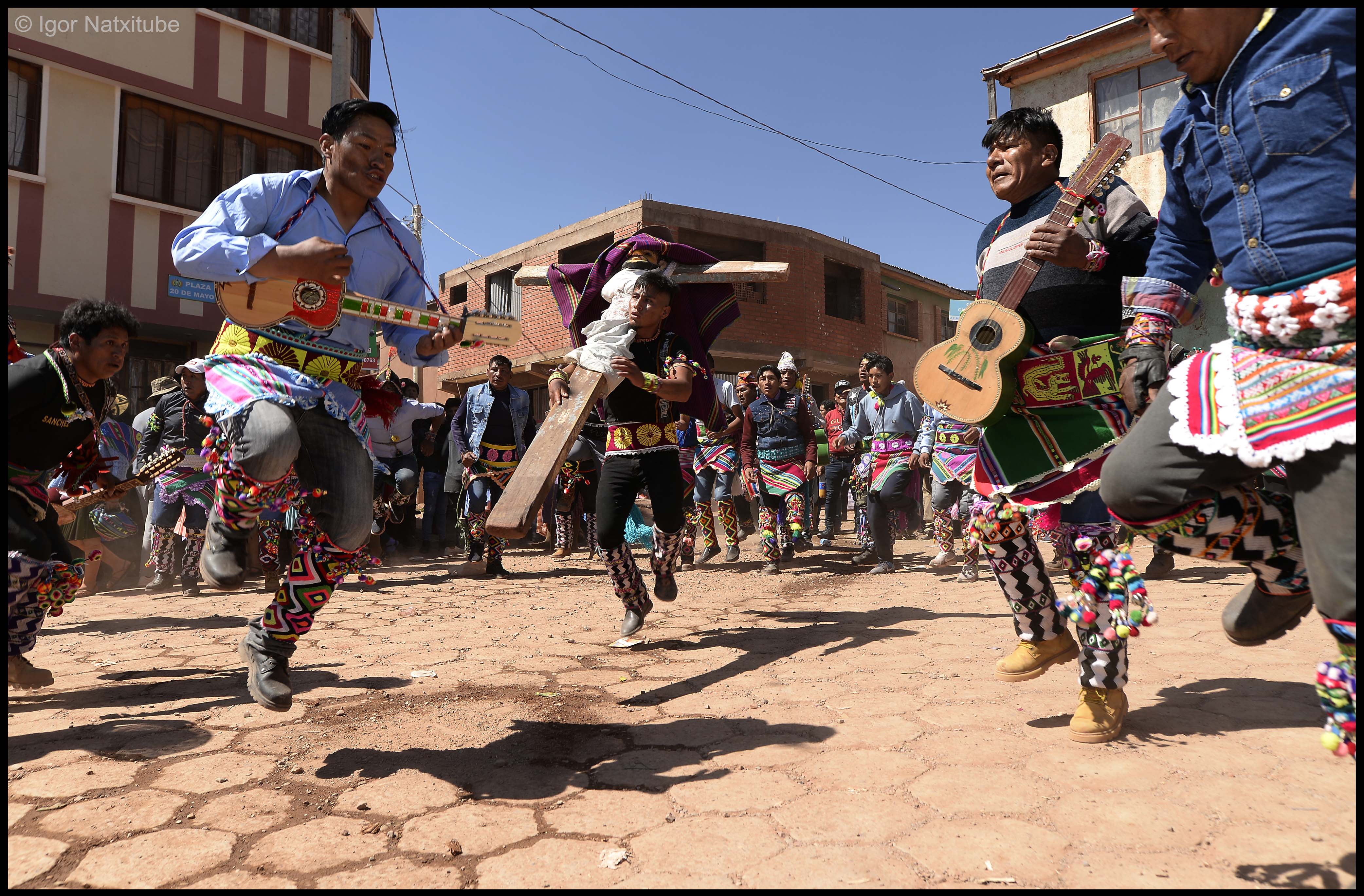
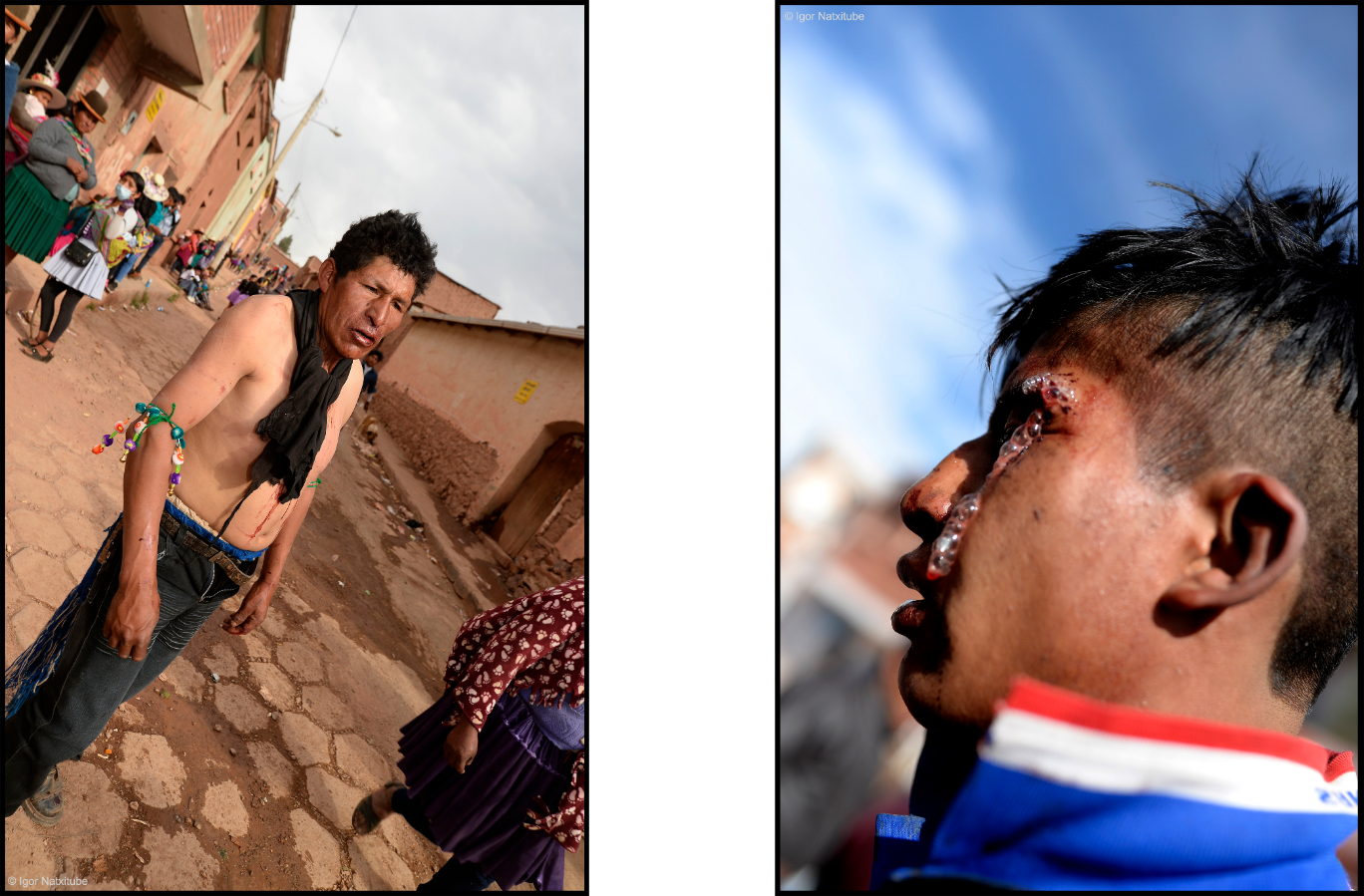
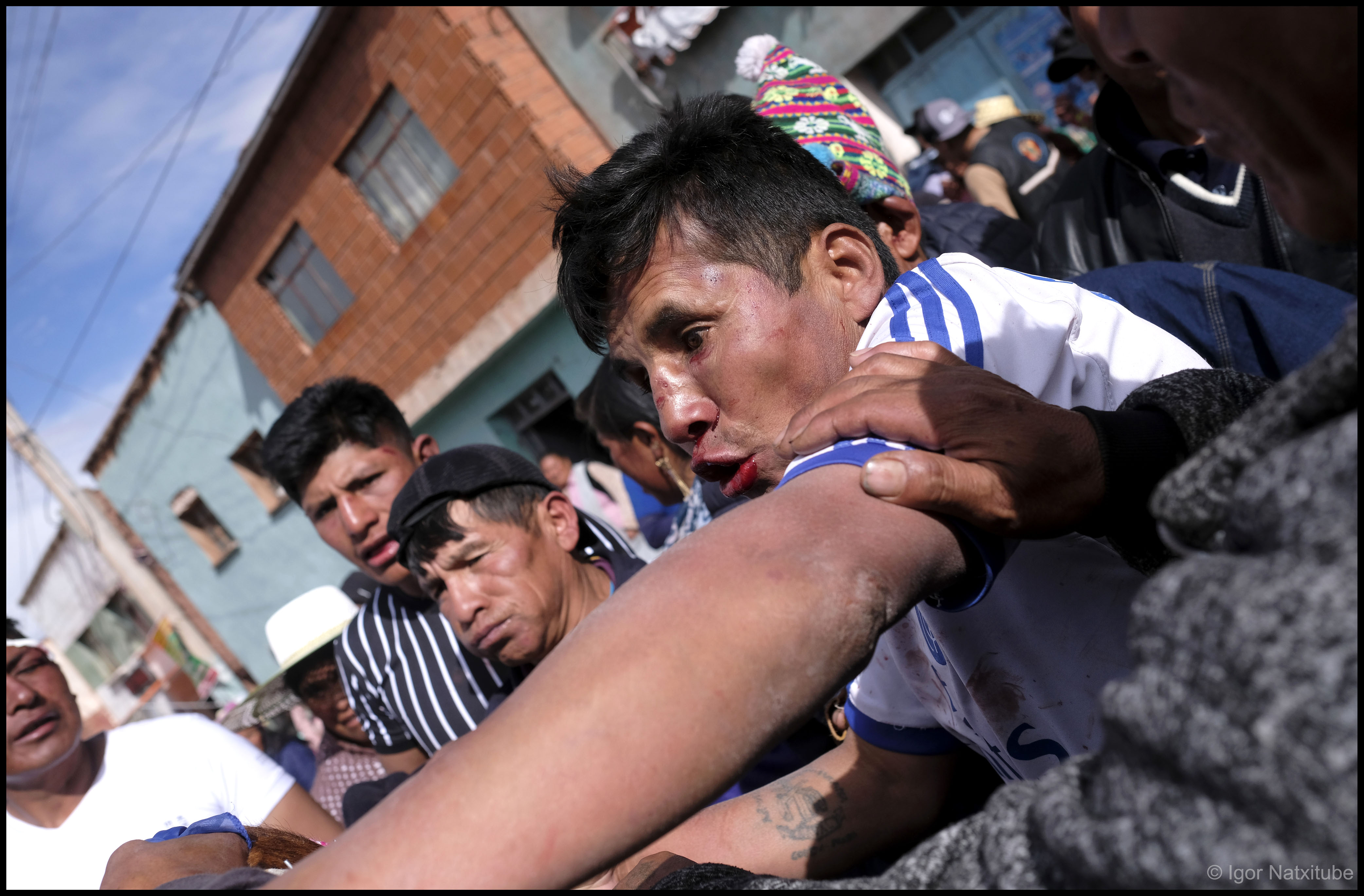
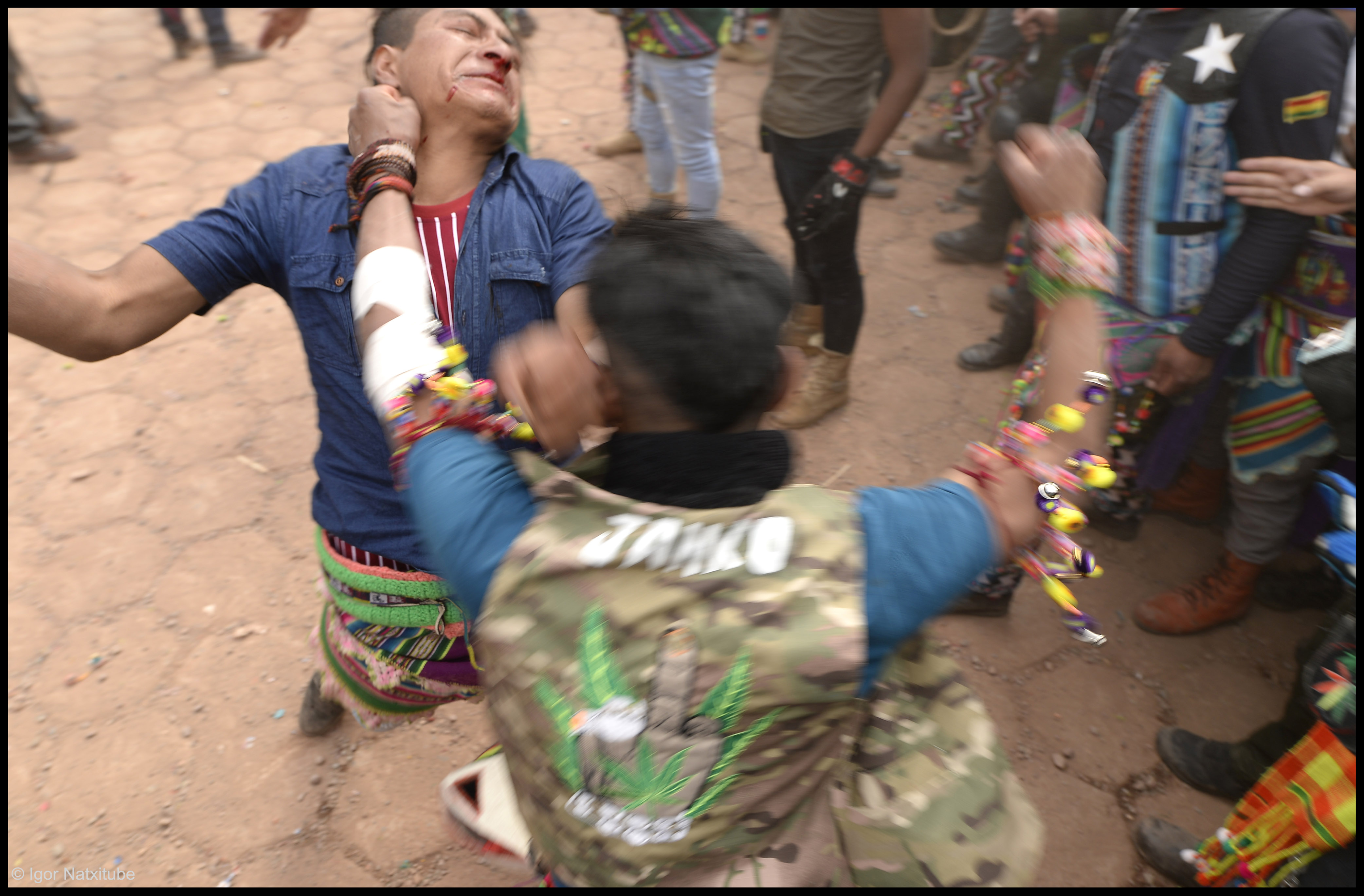
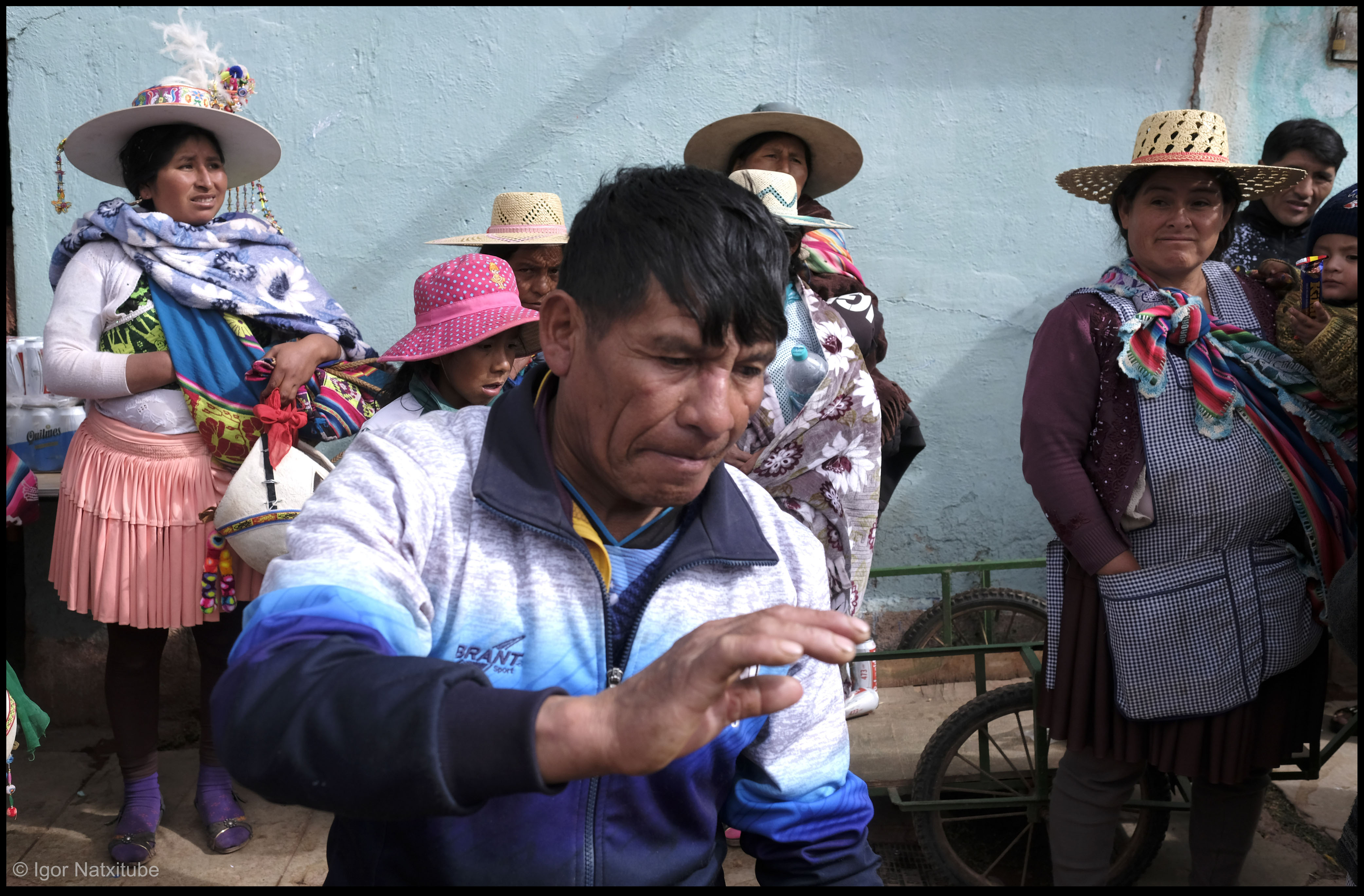
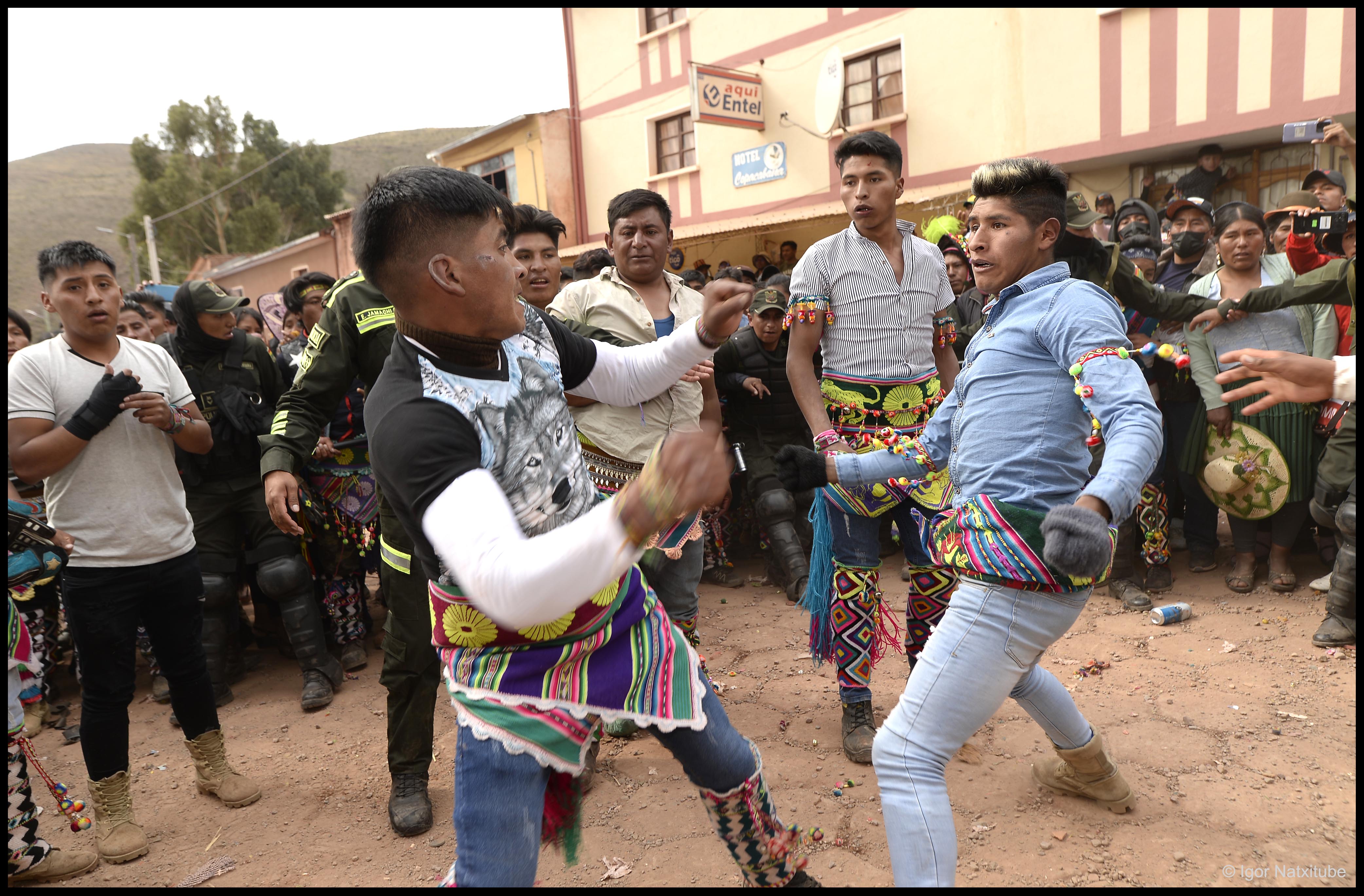
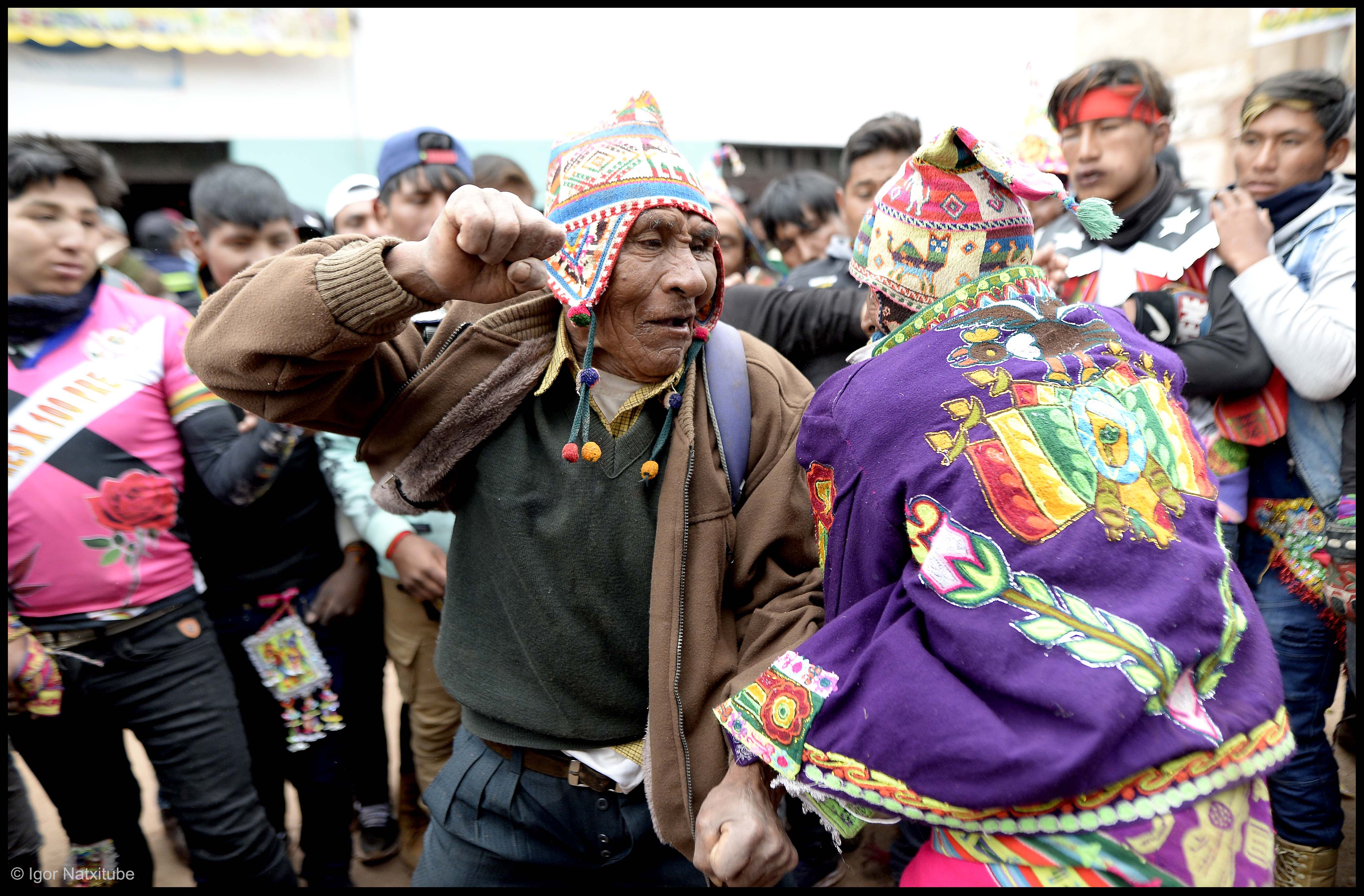
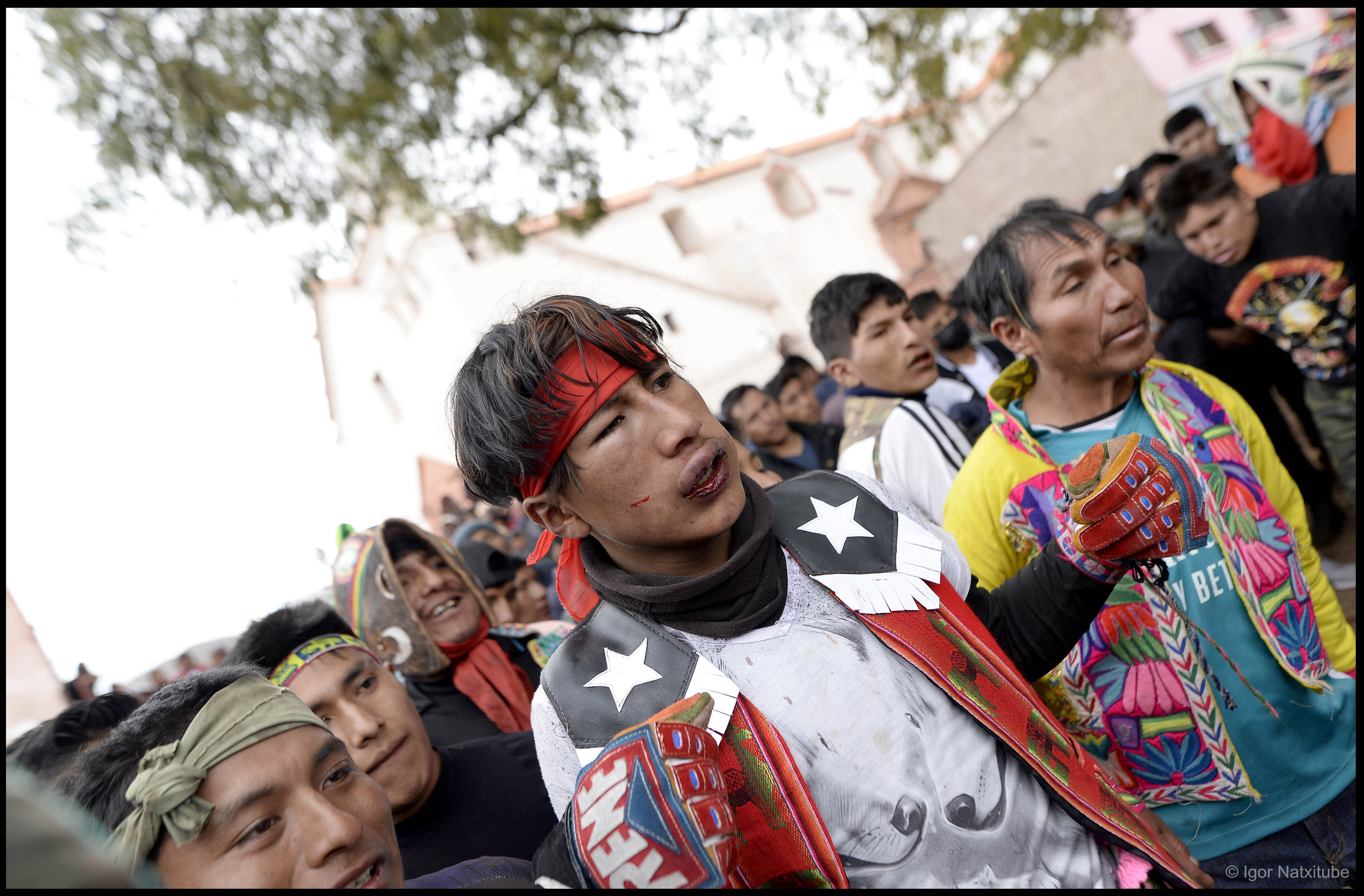
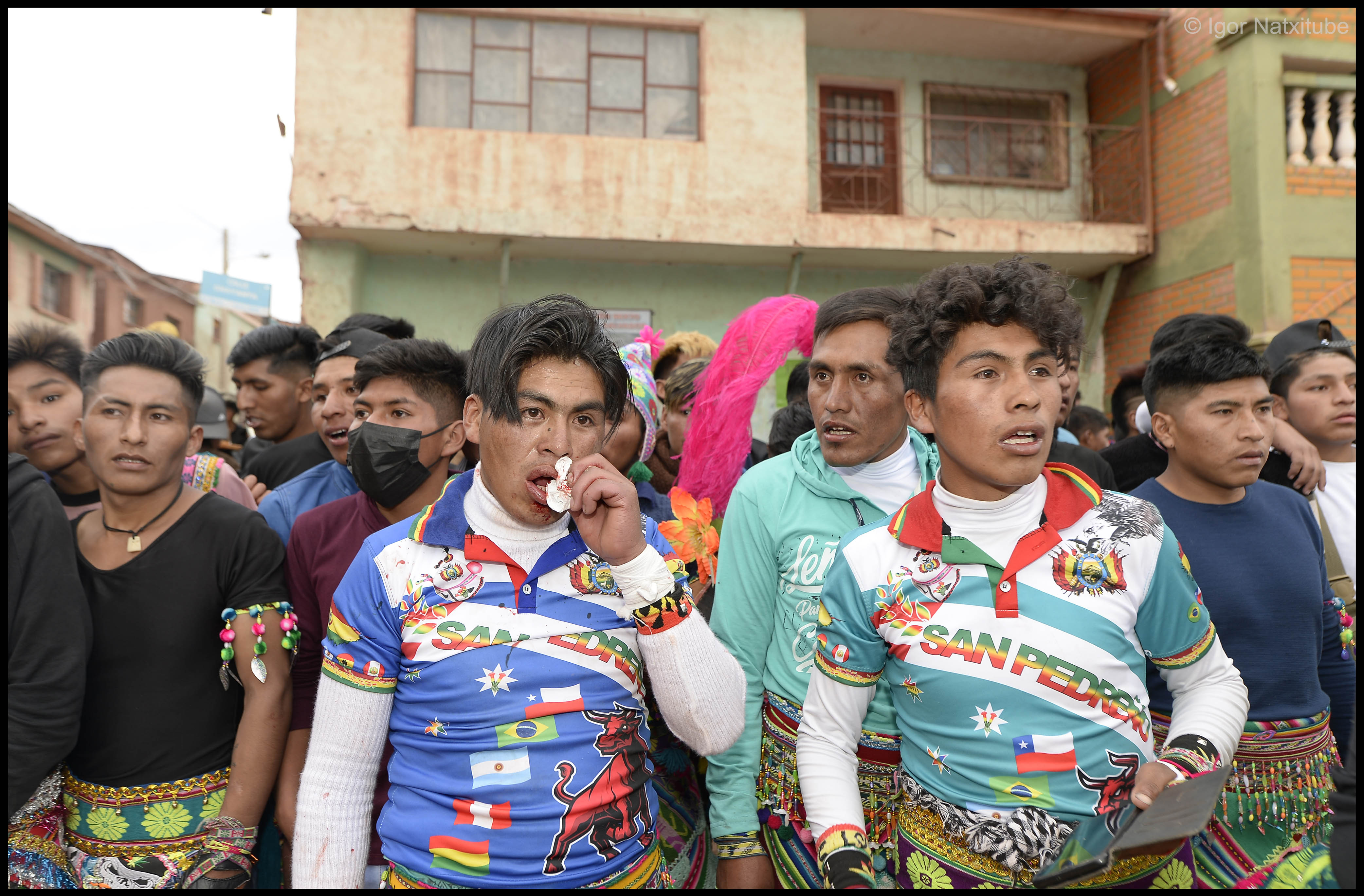
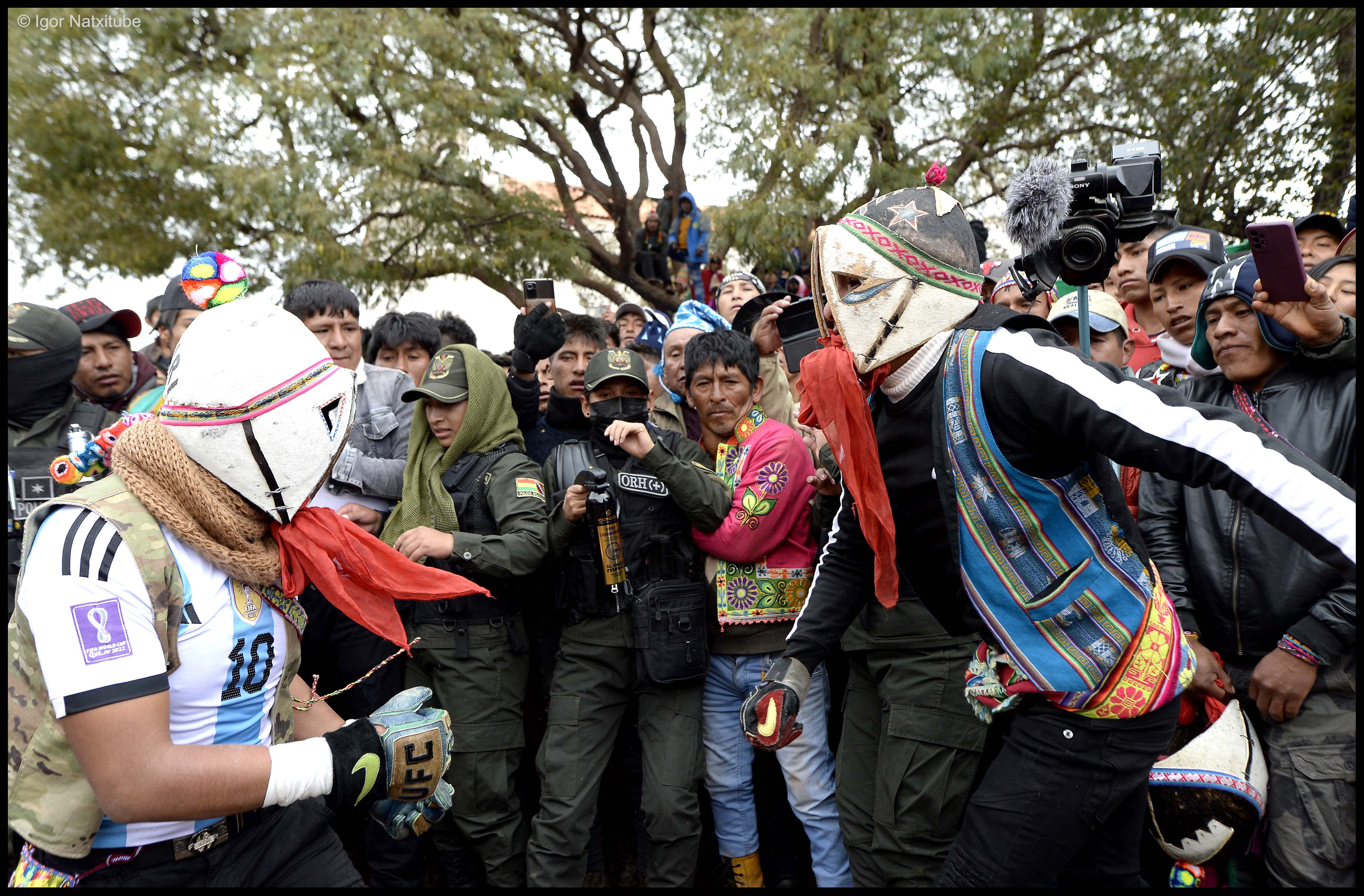
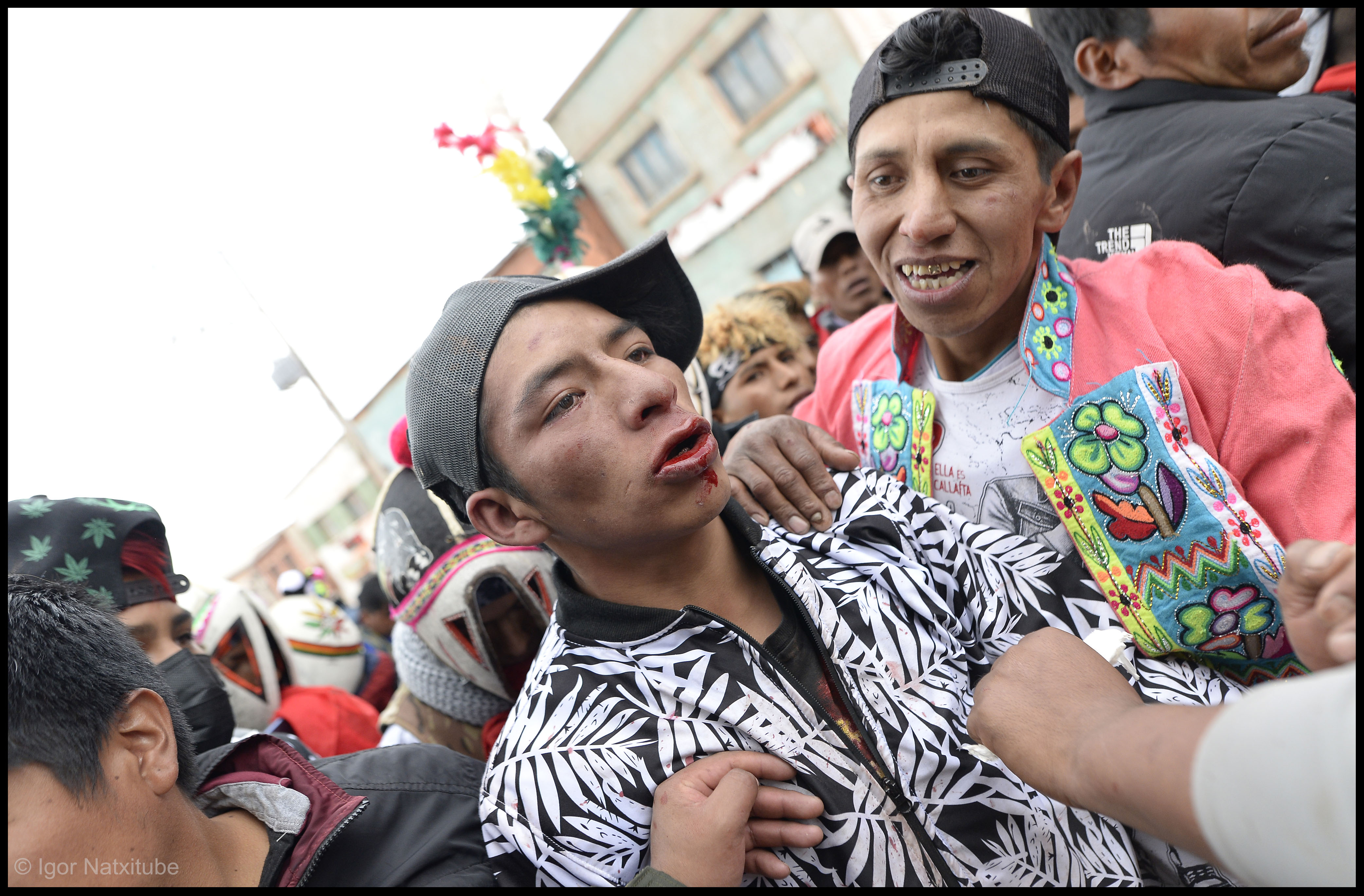
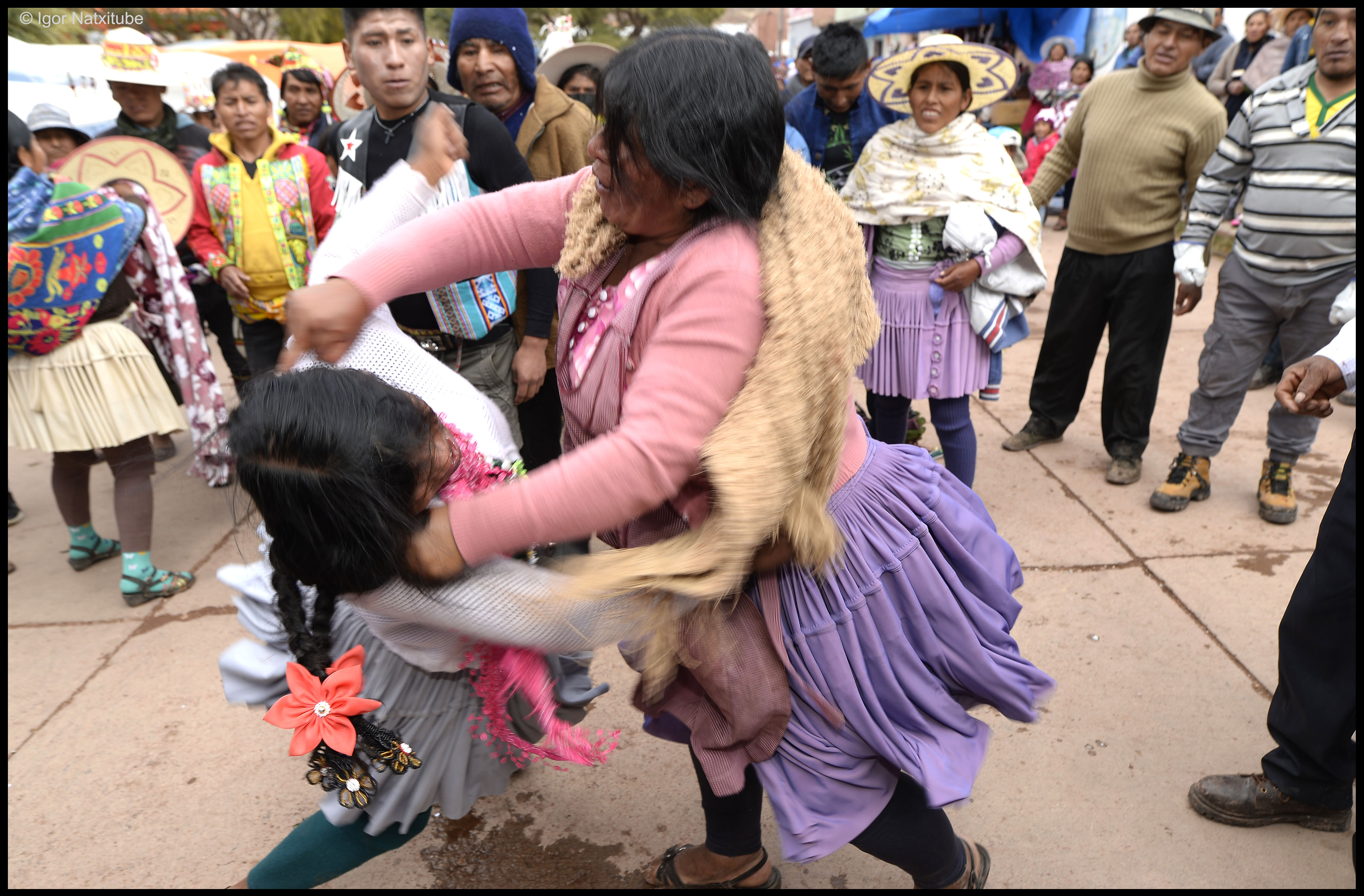
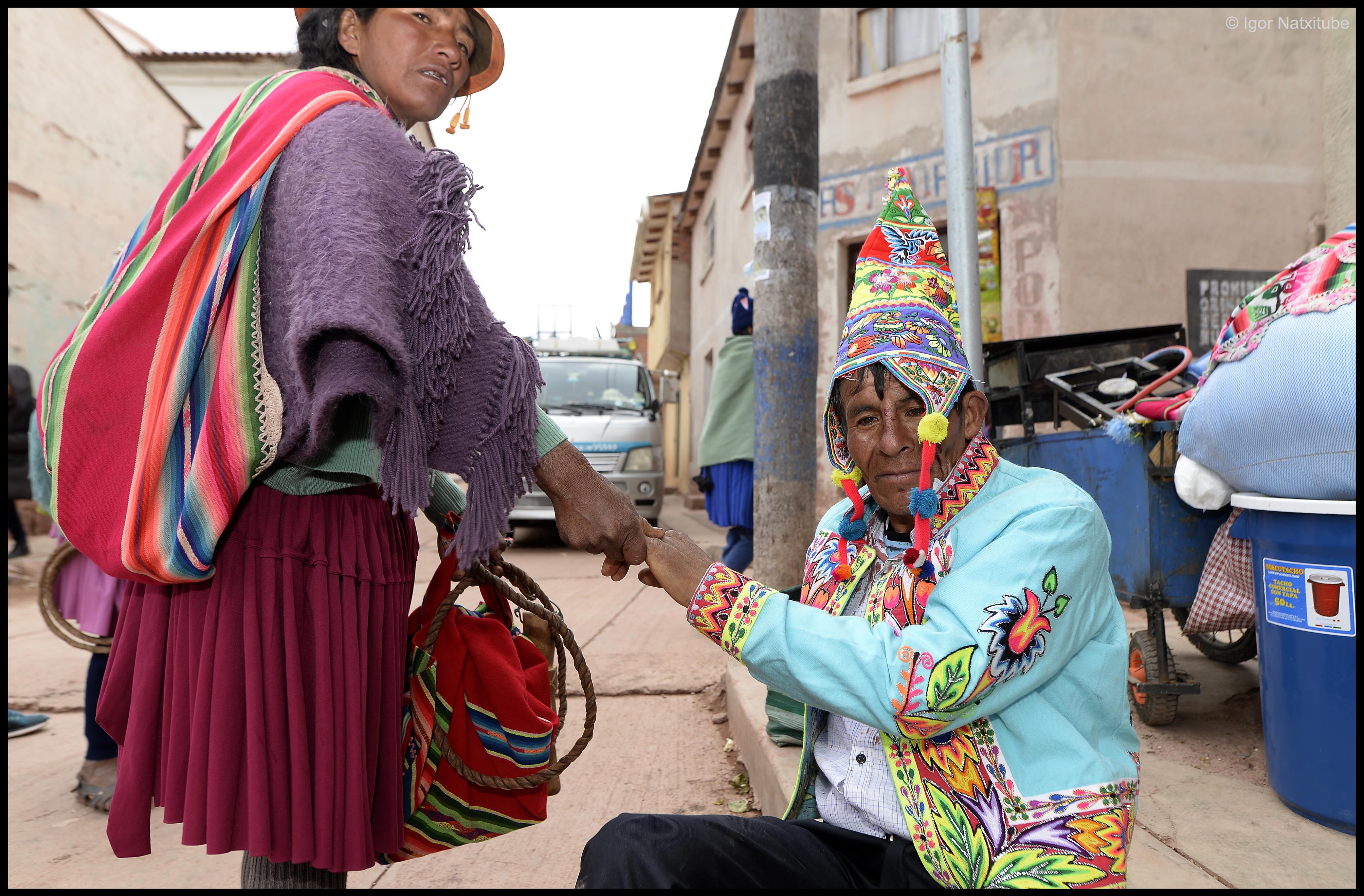
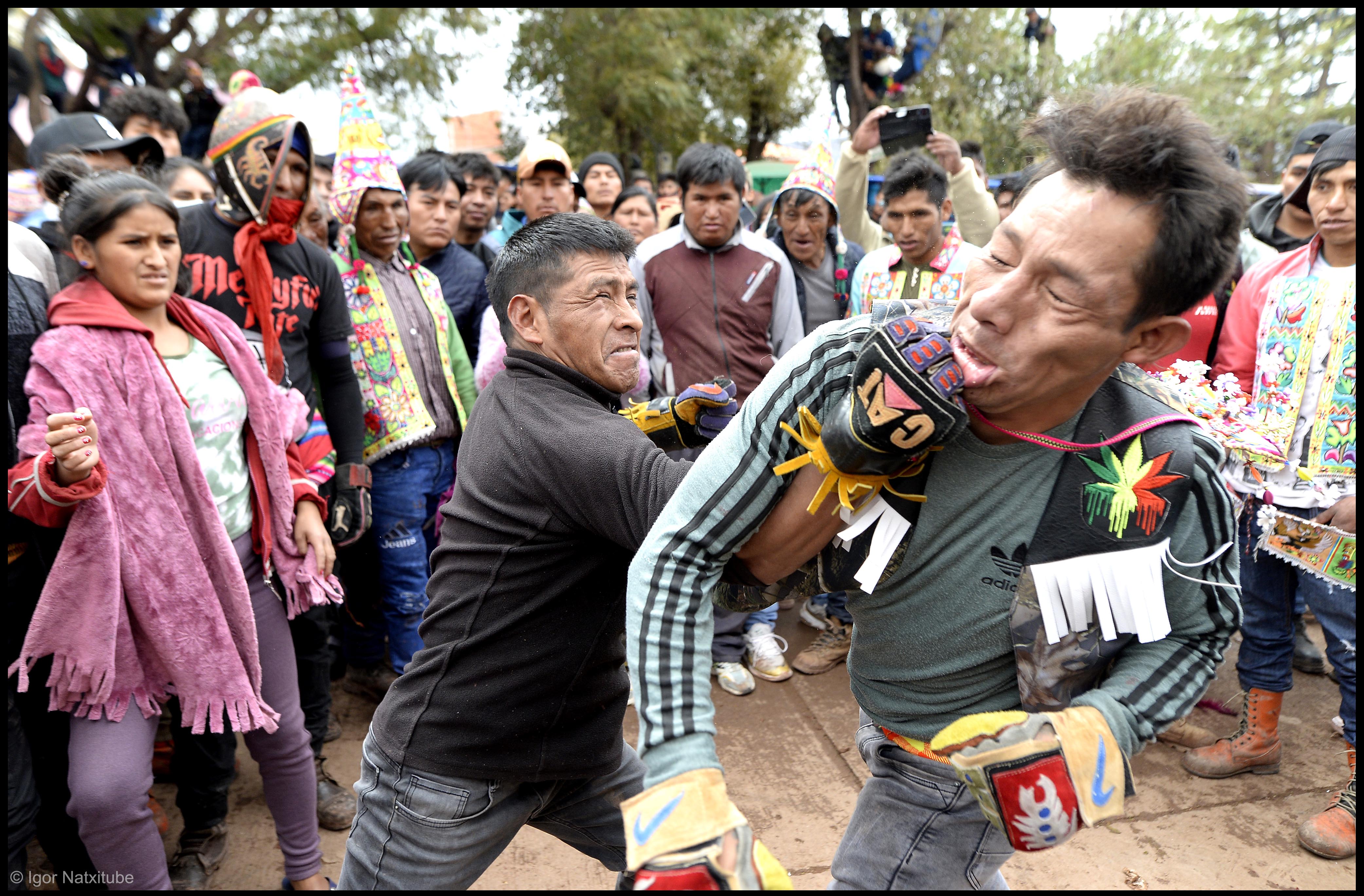
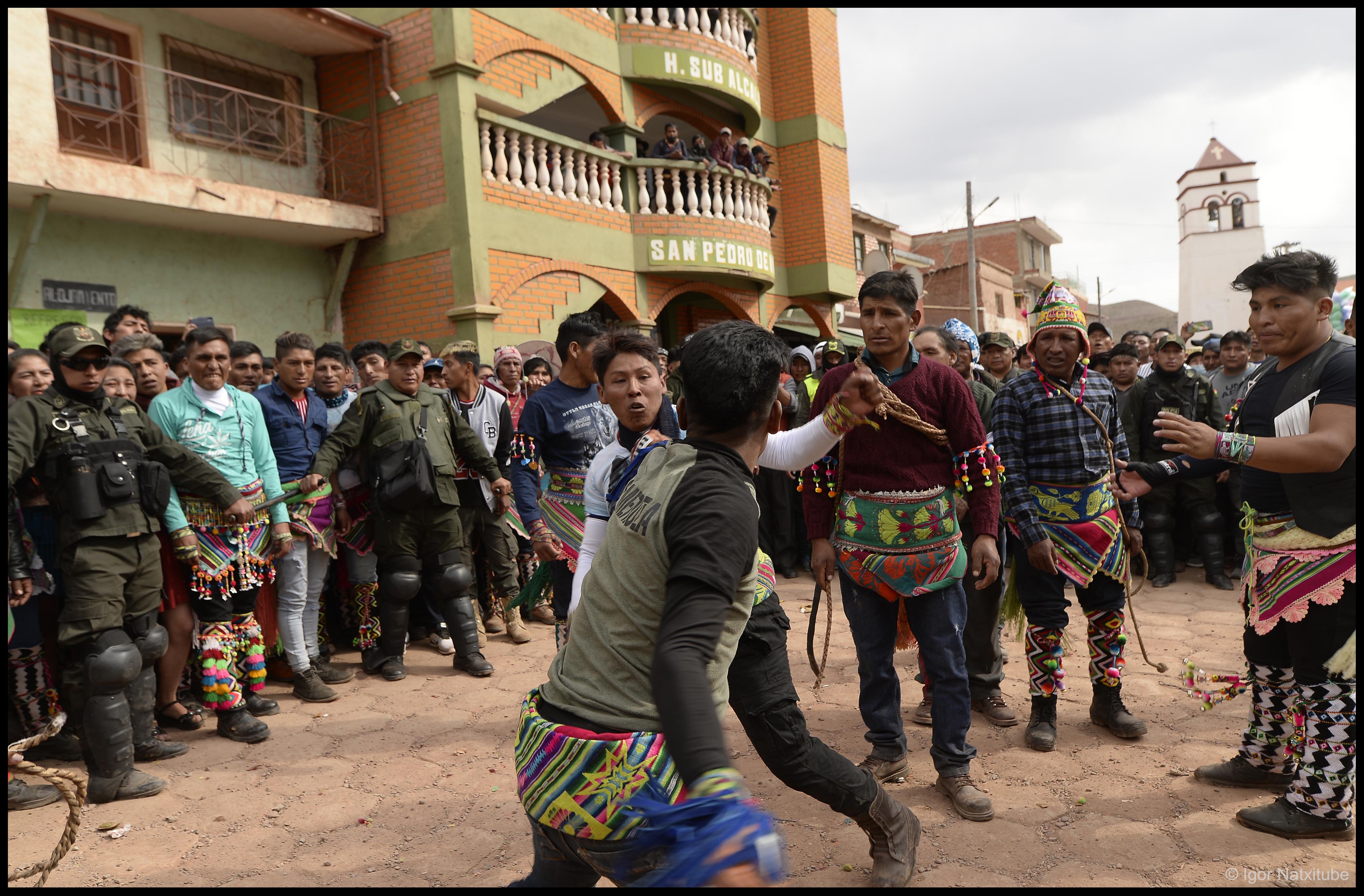
Blow by blow on brave faces, blood runs down their faces landing on an improvised ring in the Plaza 20 de Mayo in San Pedro de Macha, department of Potosi, Bolivia. The end result is broken noses, broken lips, some open eyebrows and swollen eyes. Known as Tinku, it is a ritual in which a hand-to-hand fight takes place, sometimes with a montera and sometimes without it, even with mixed confrontations. During the 3rd, 4th and 5th of May the Festival of the Cross or Chakana Raymi is celebrated in parallel.
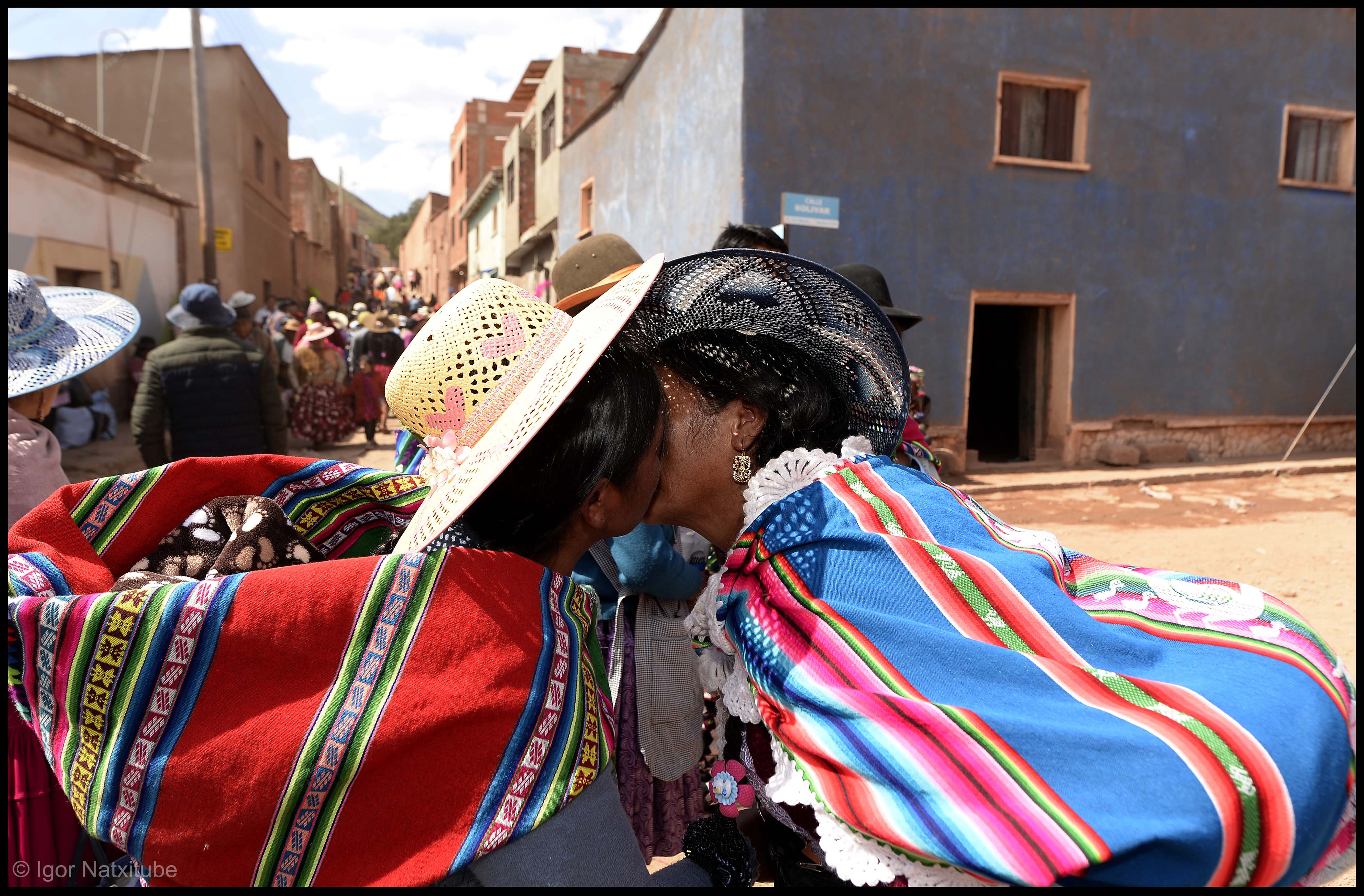
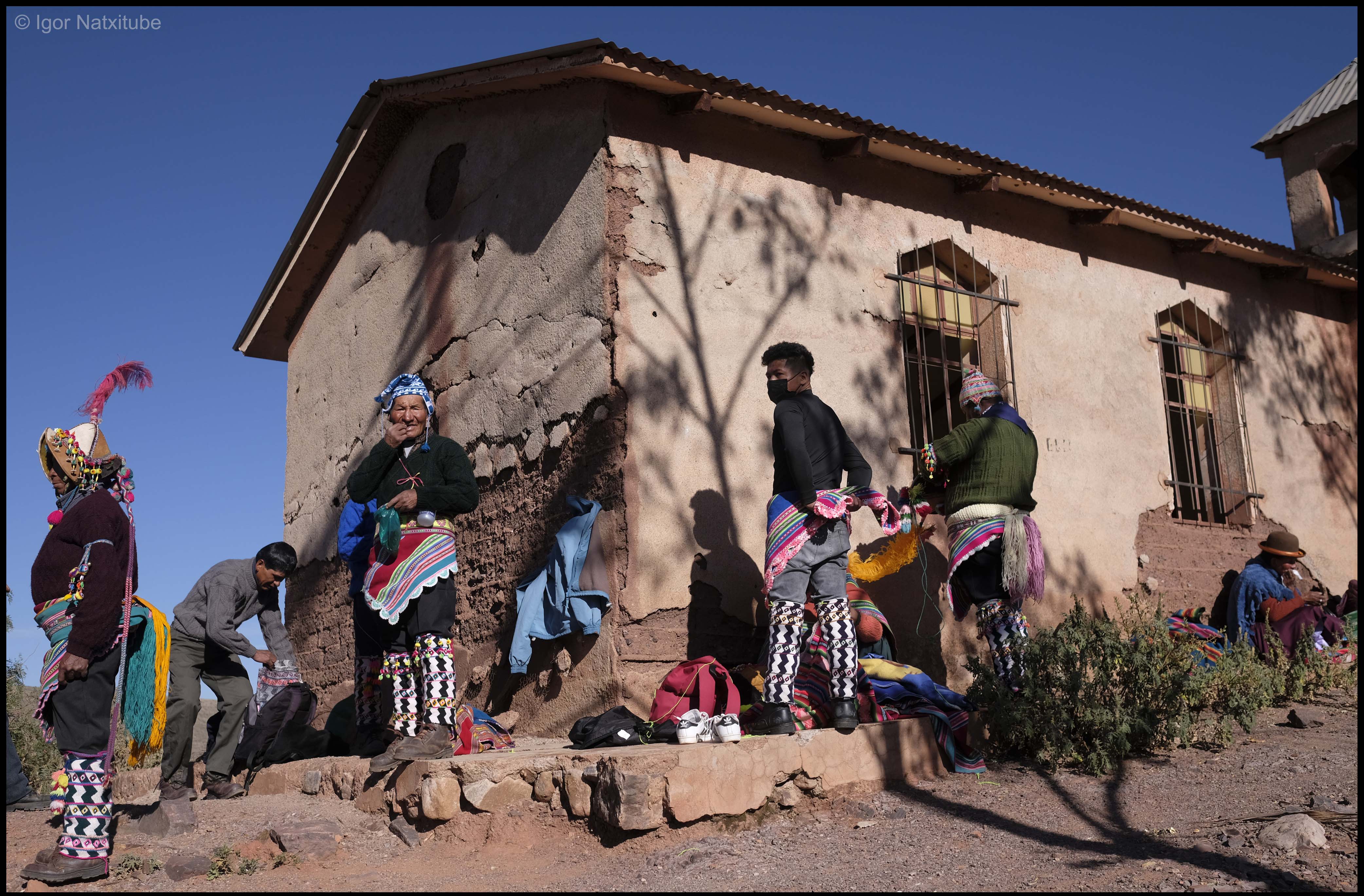
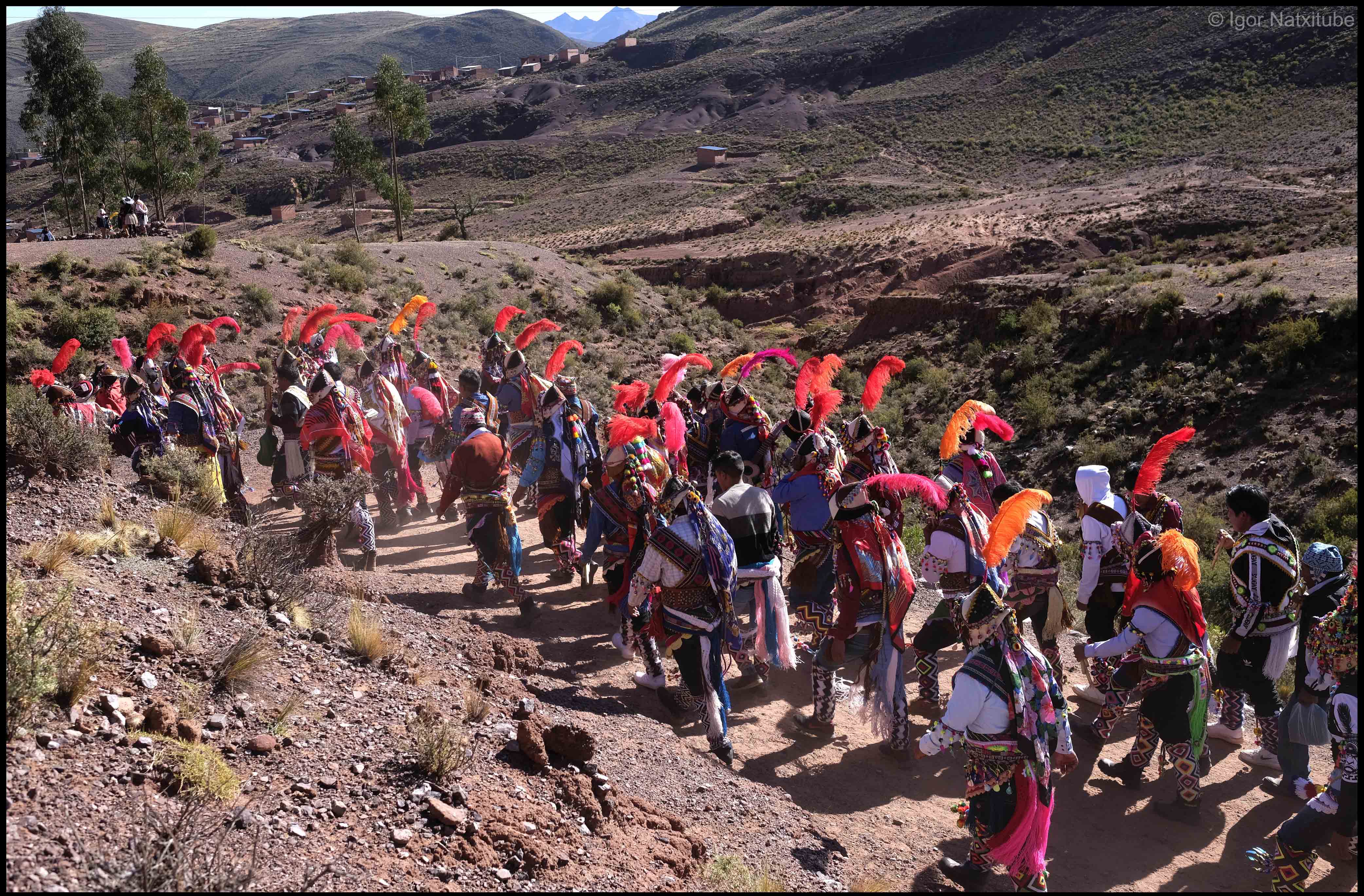
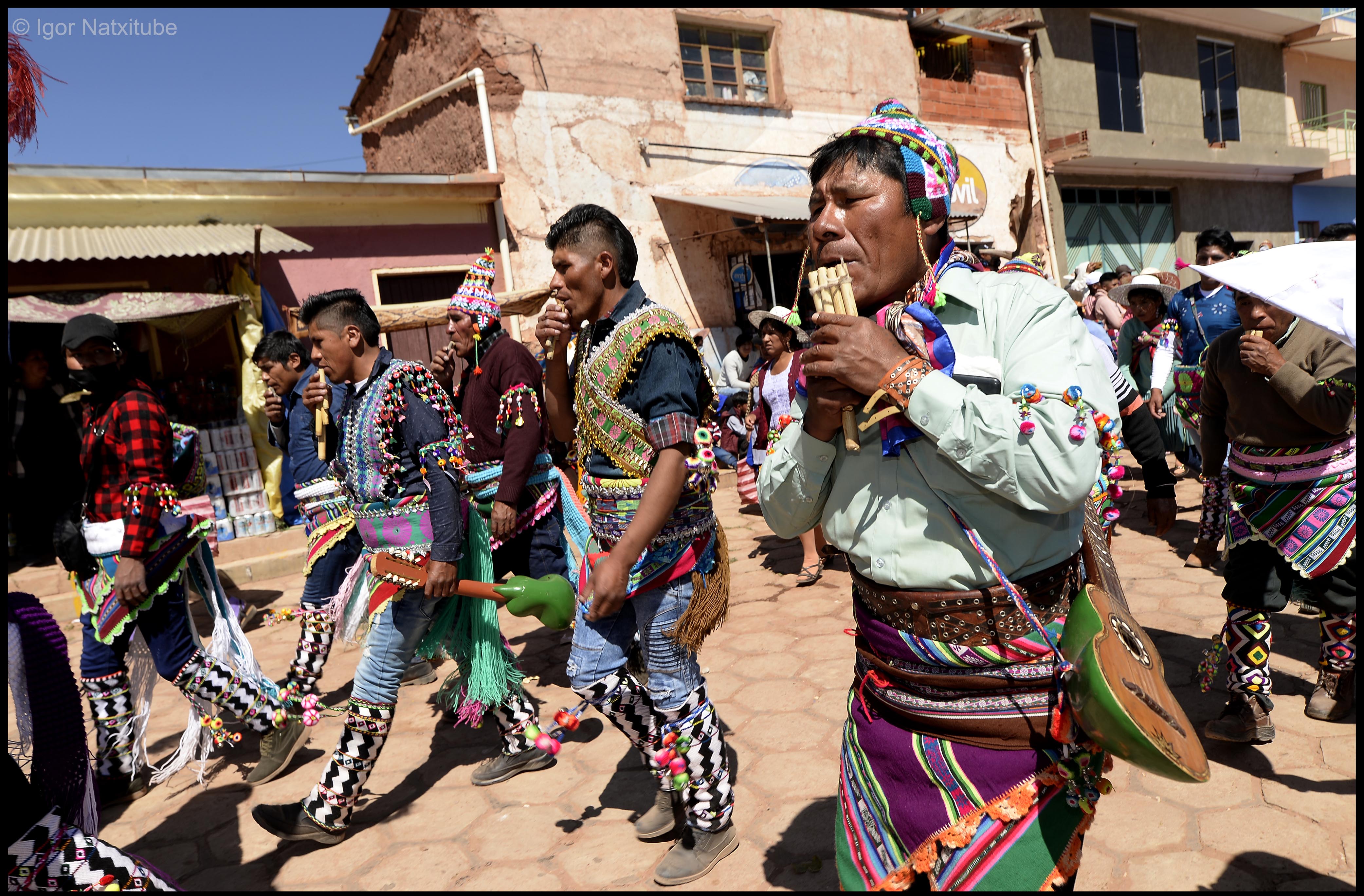
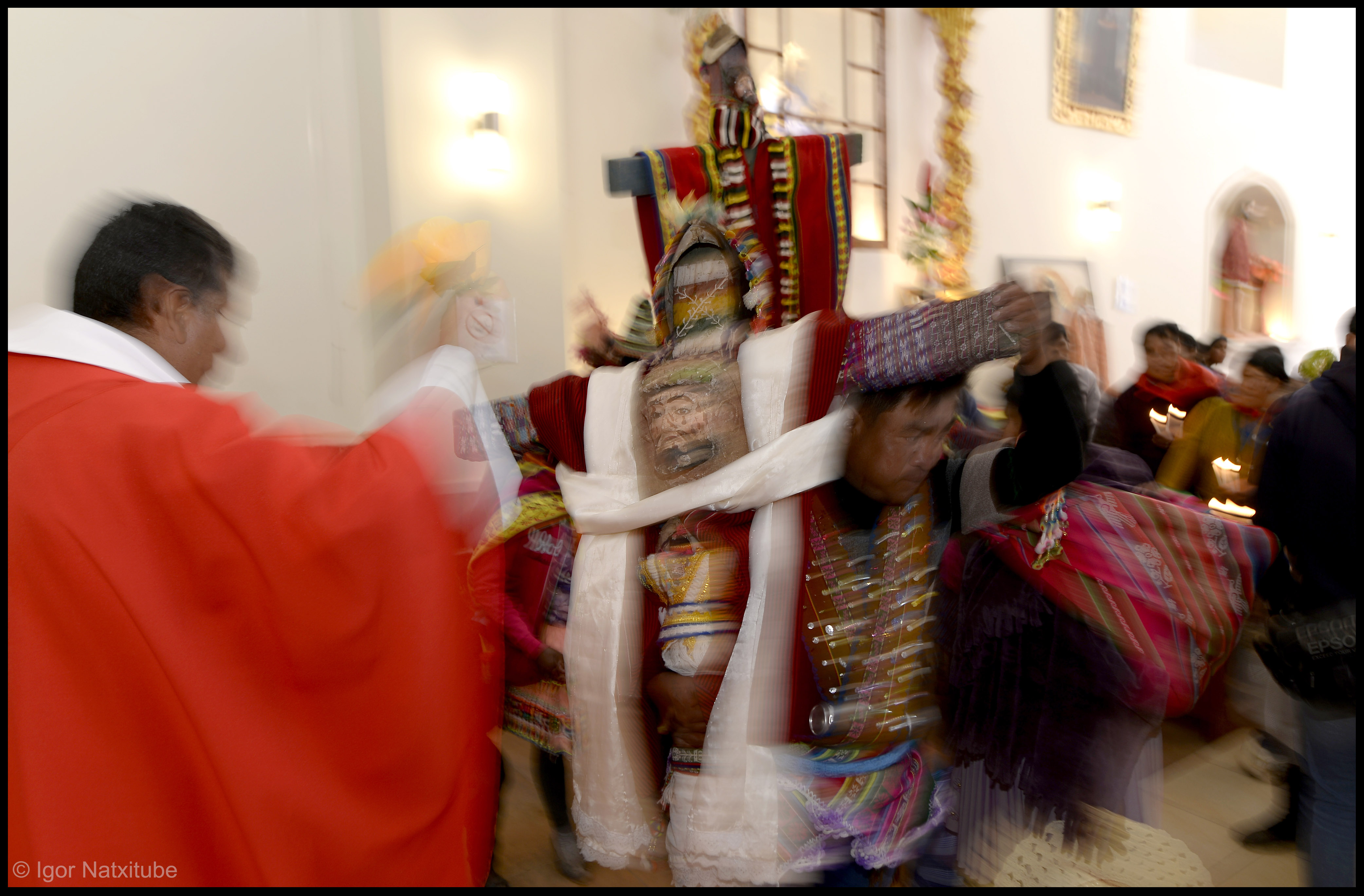
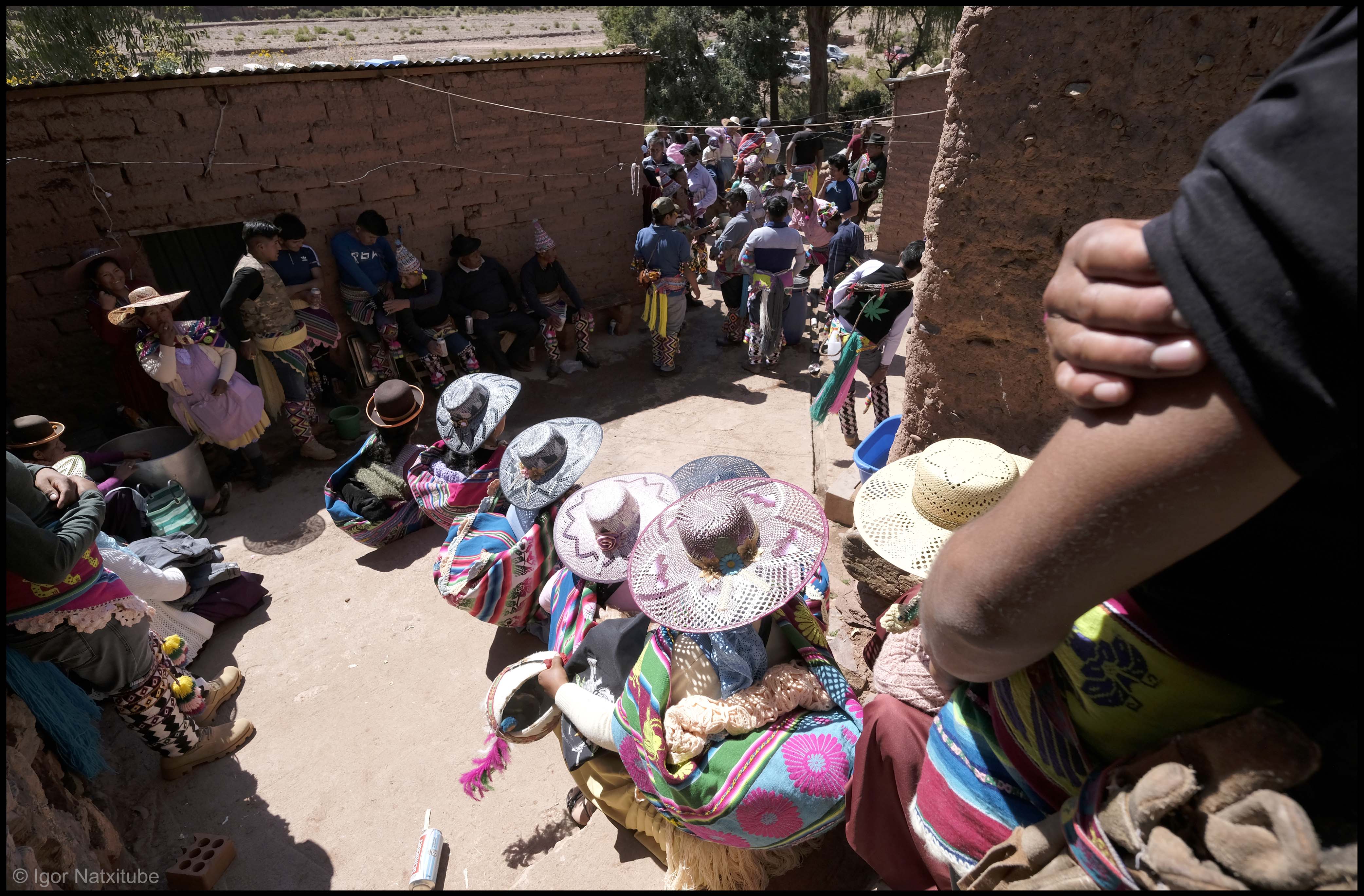
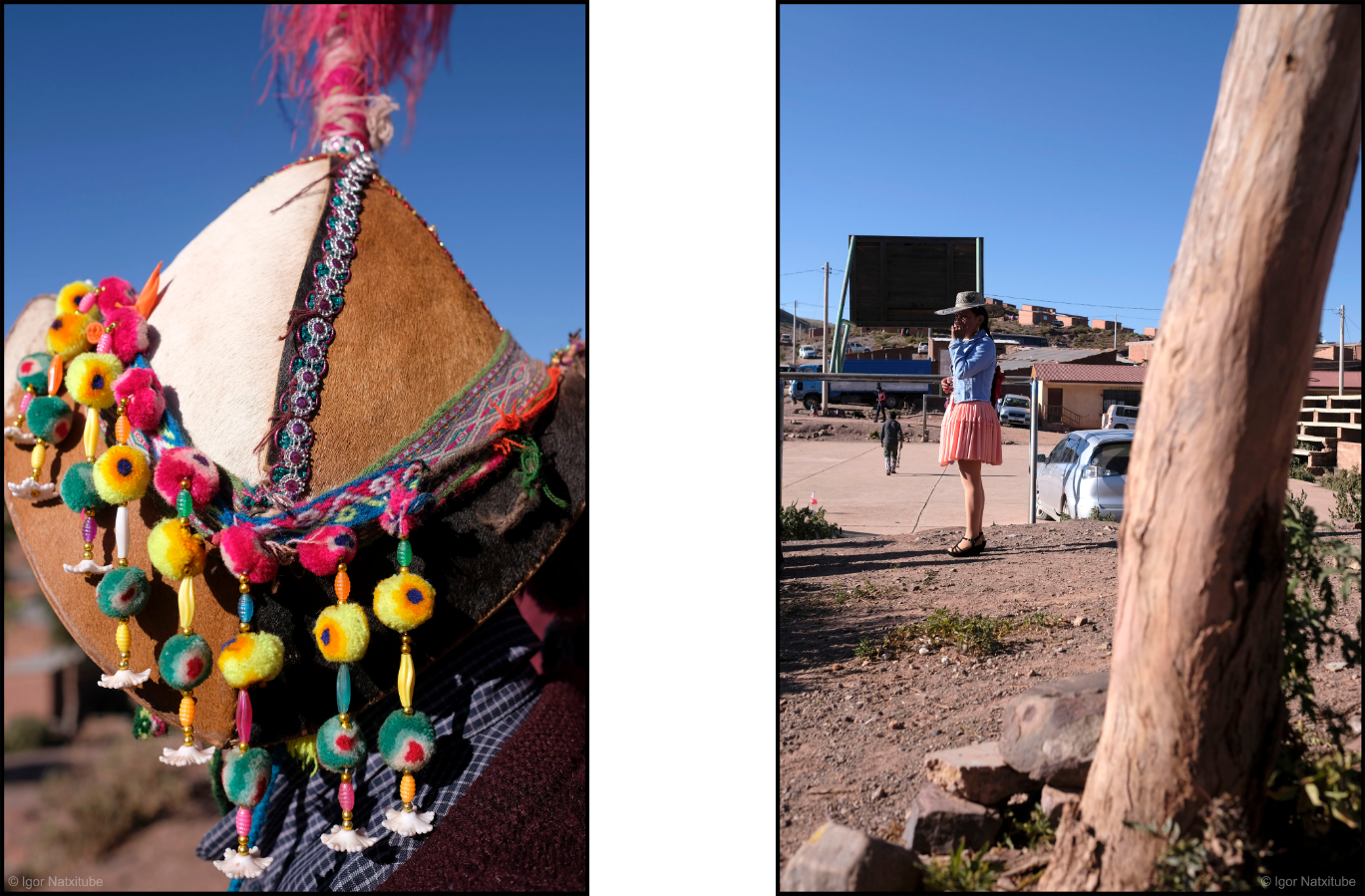
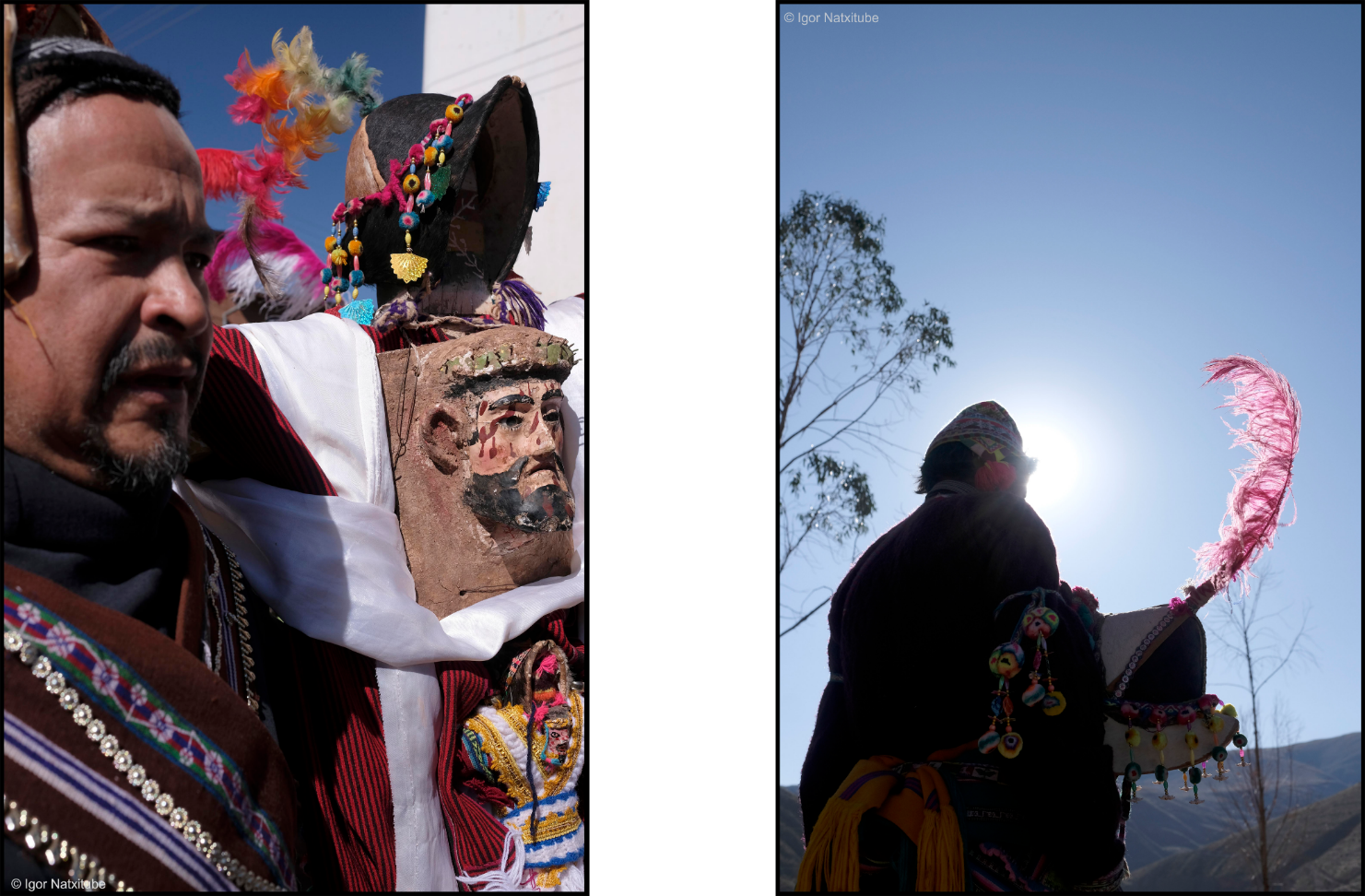
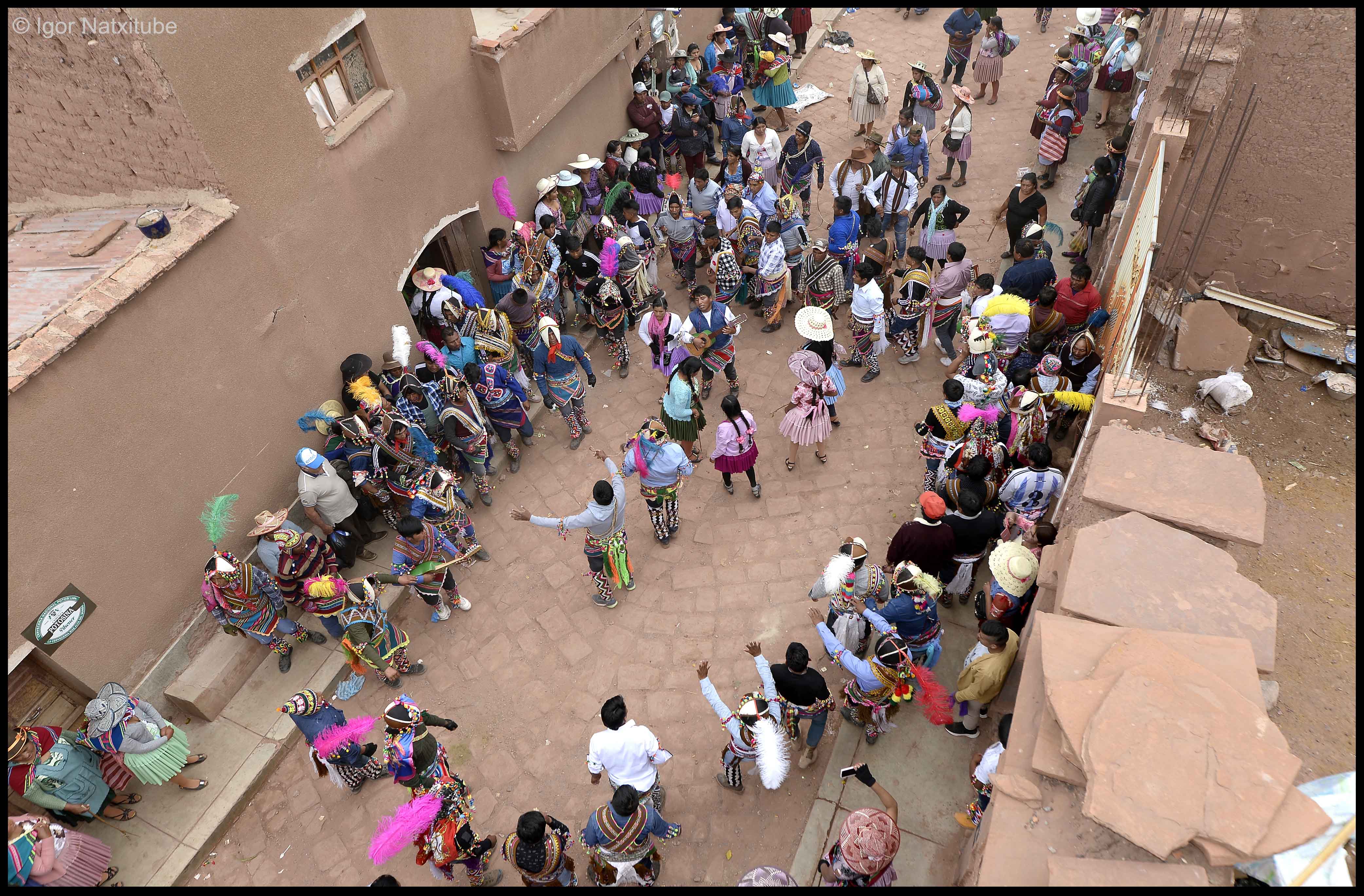
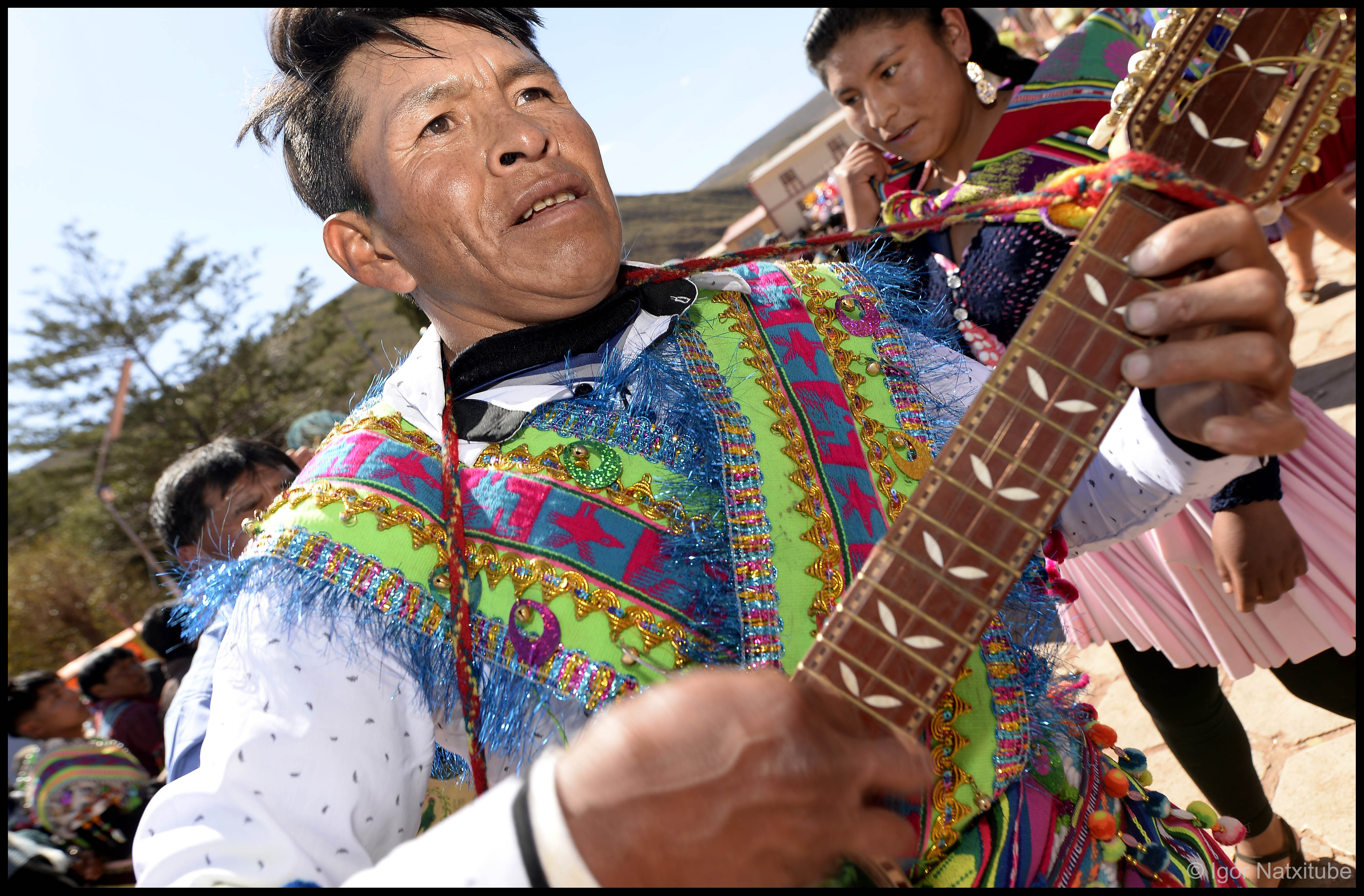
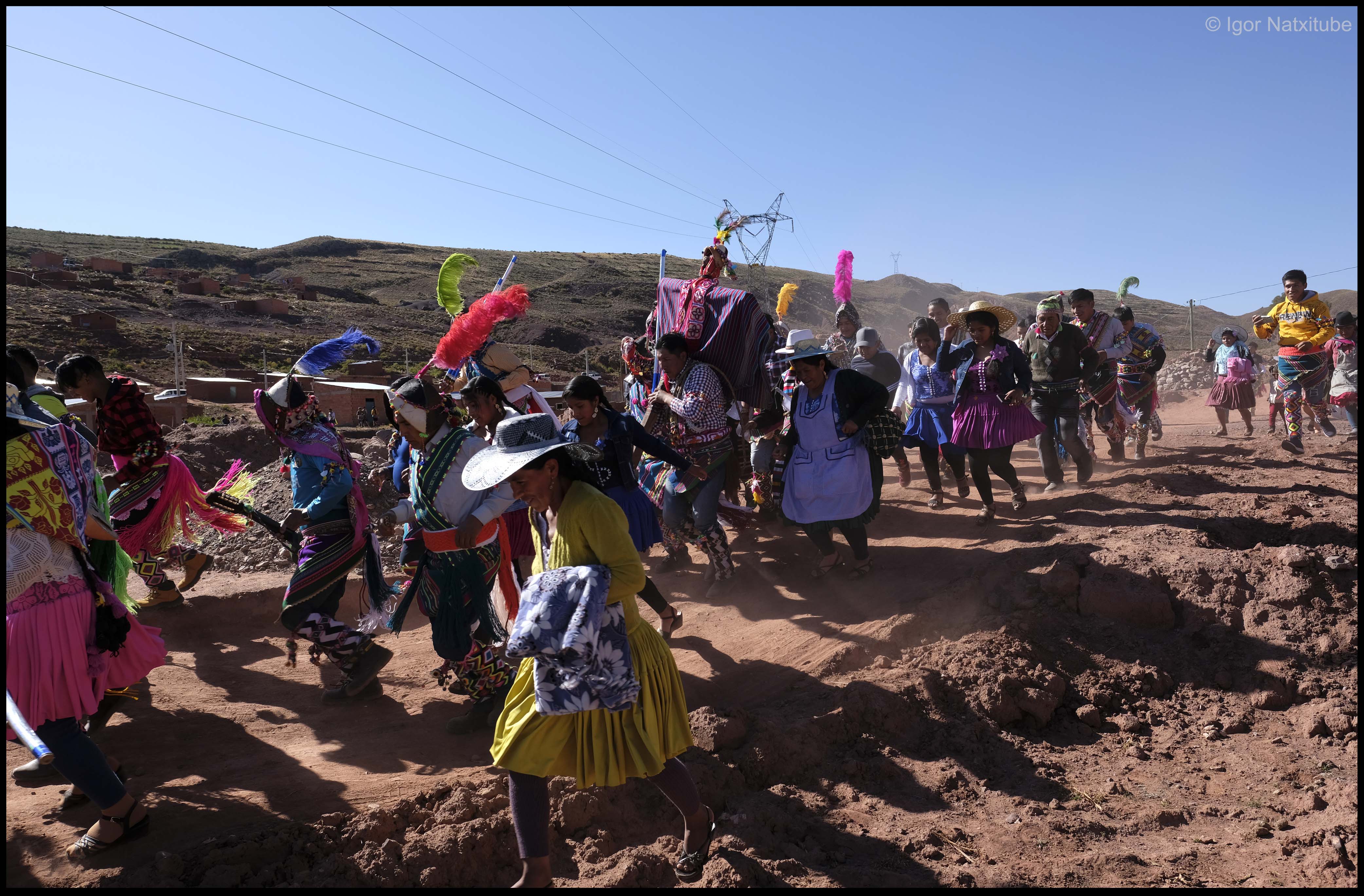
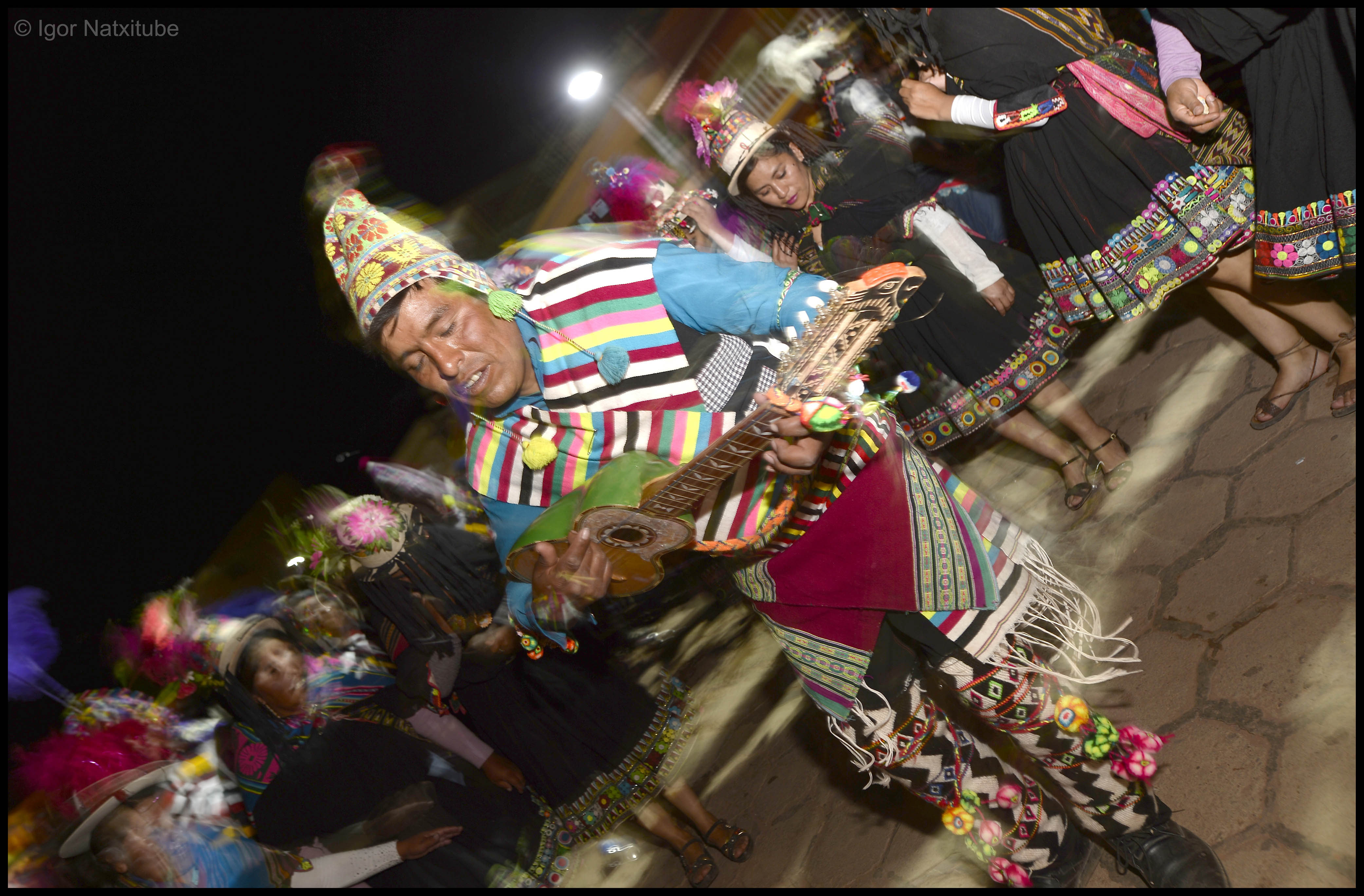
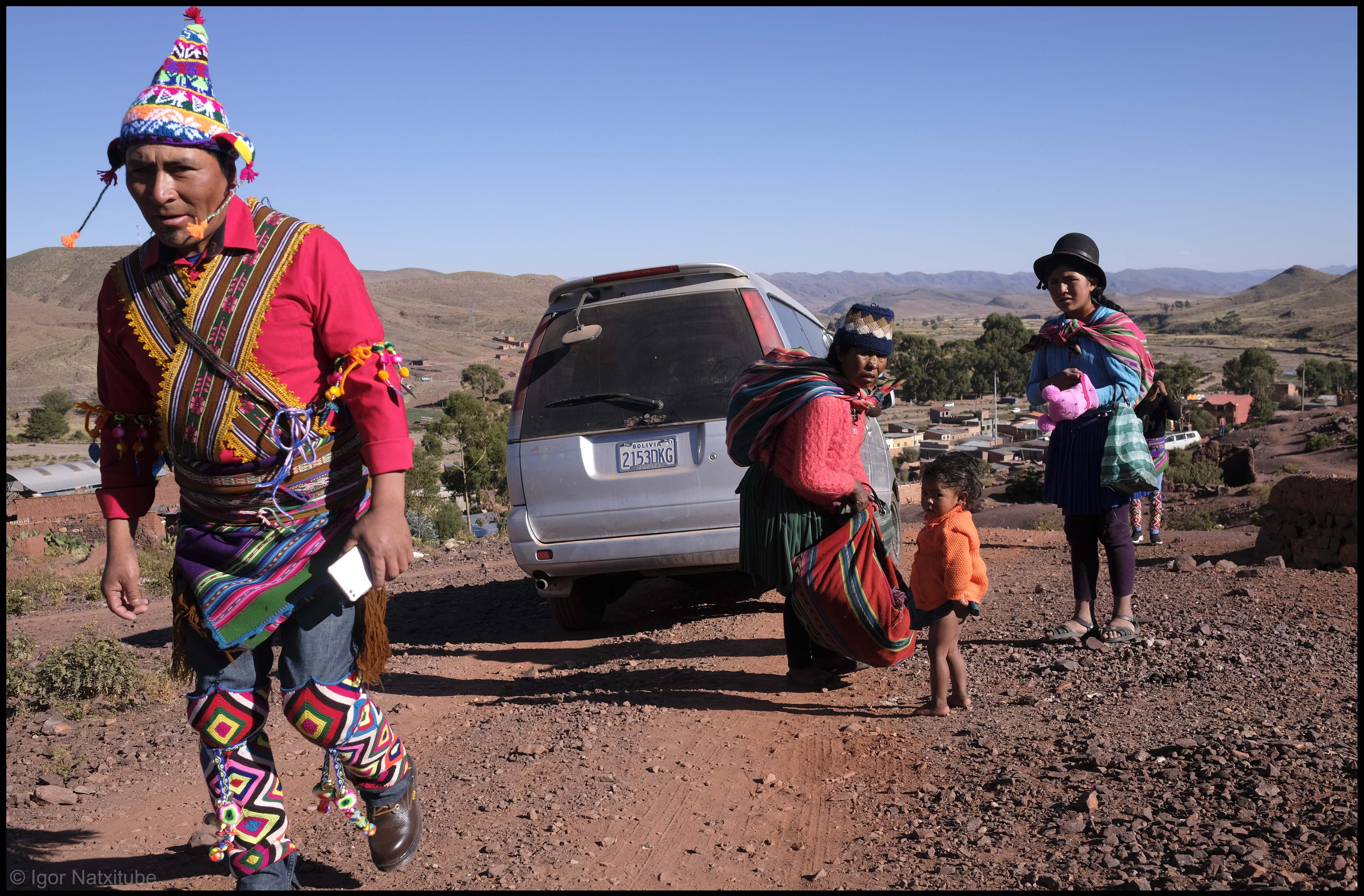
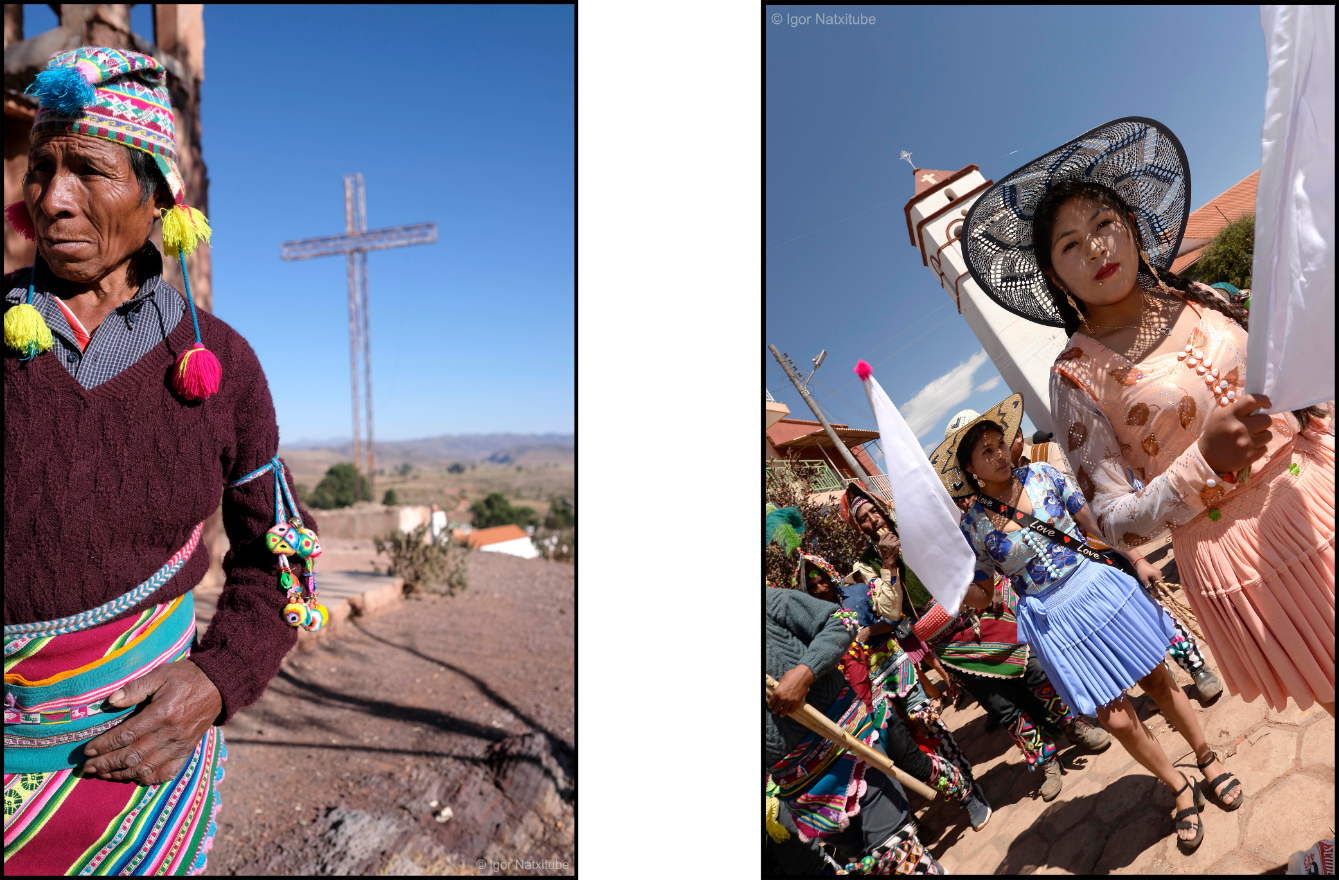
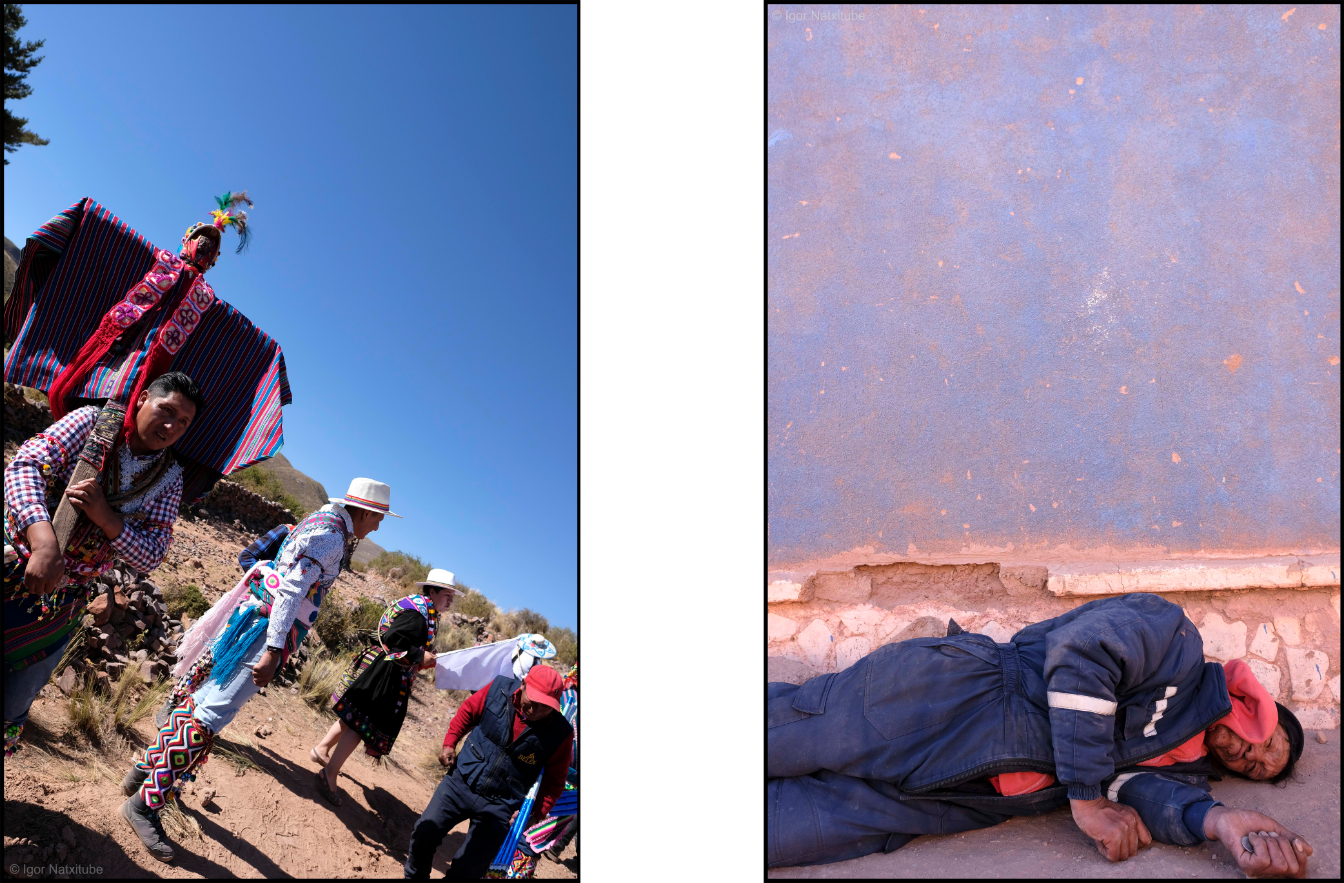
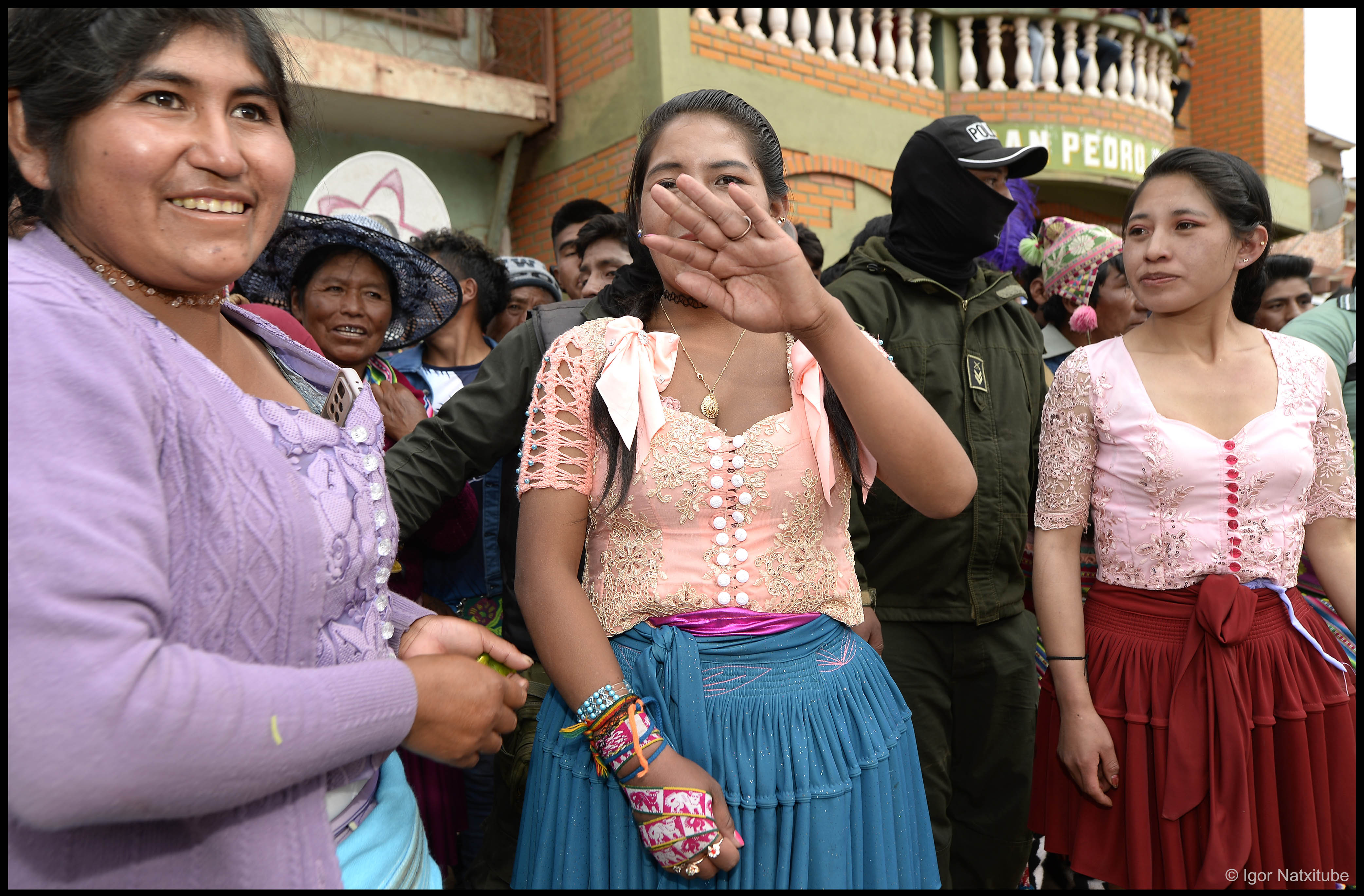
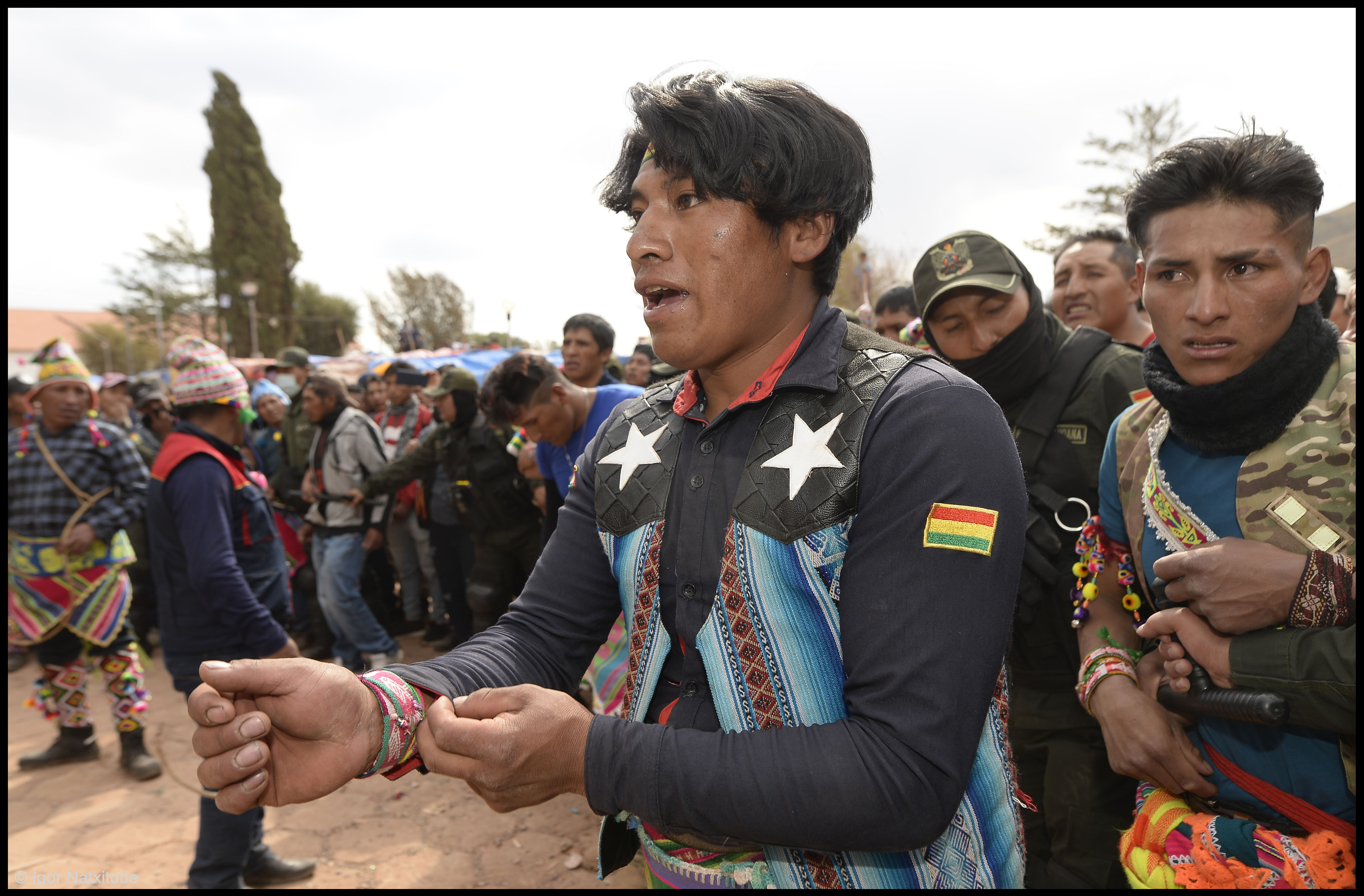
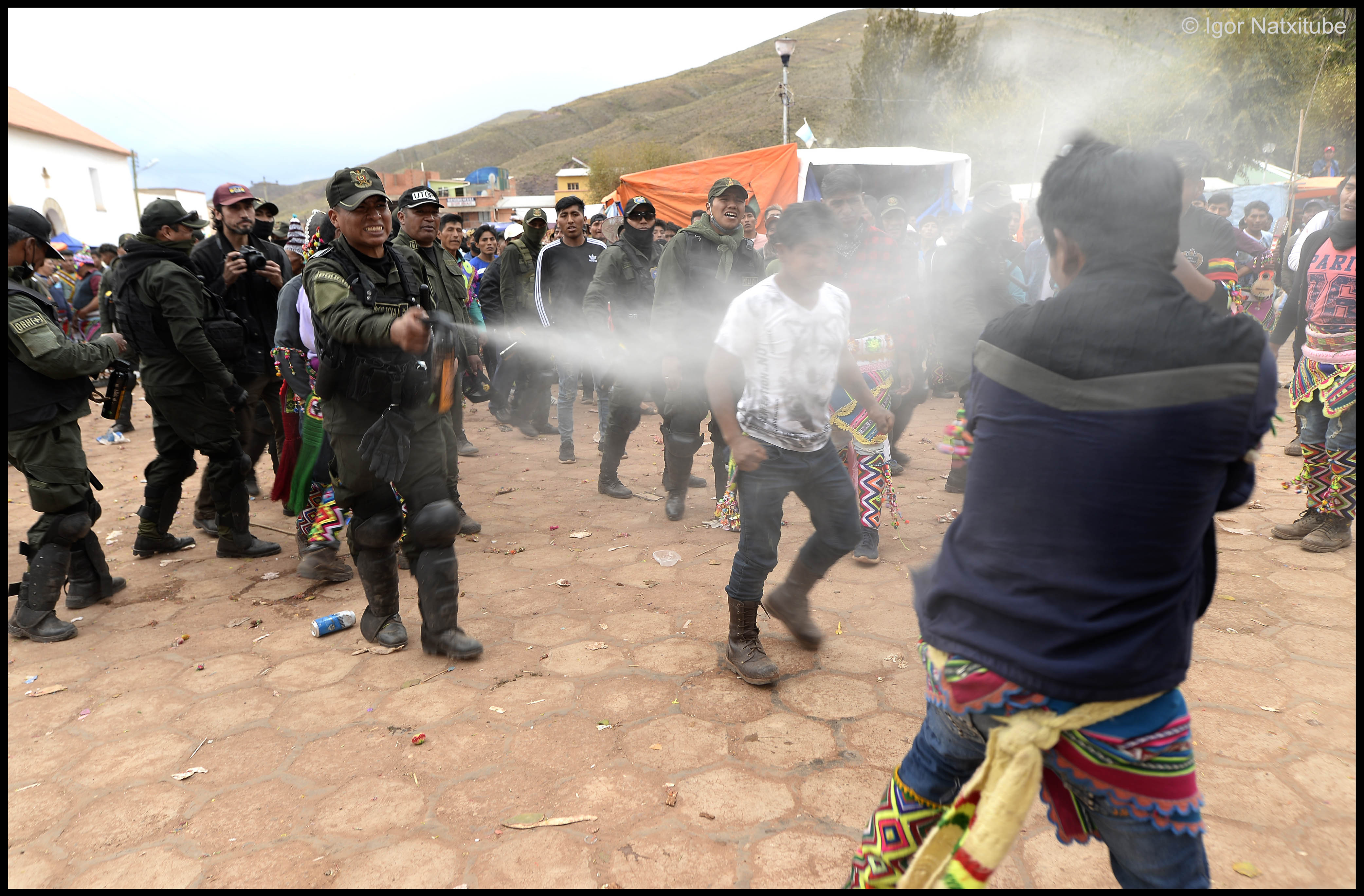
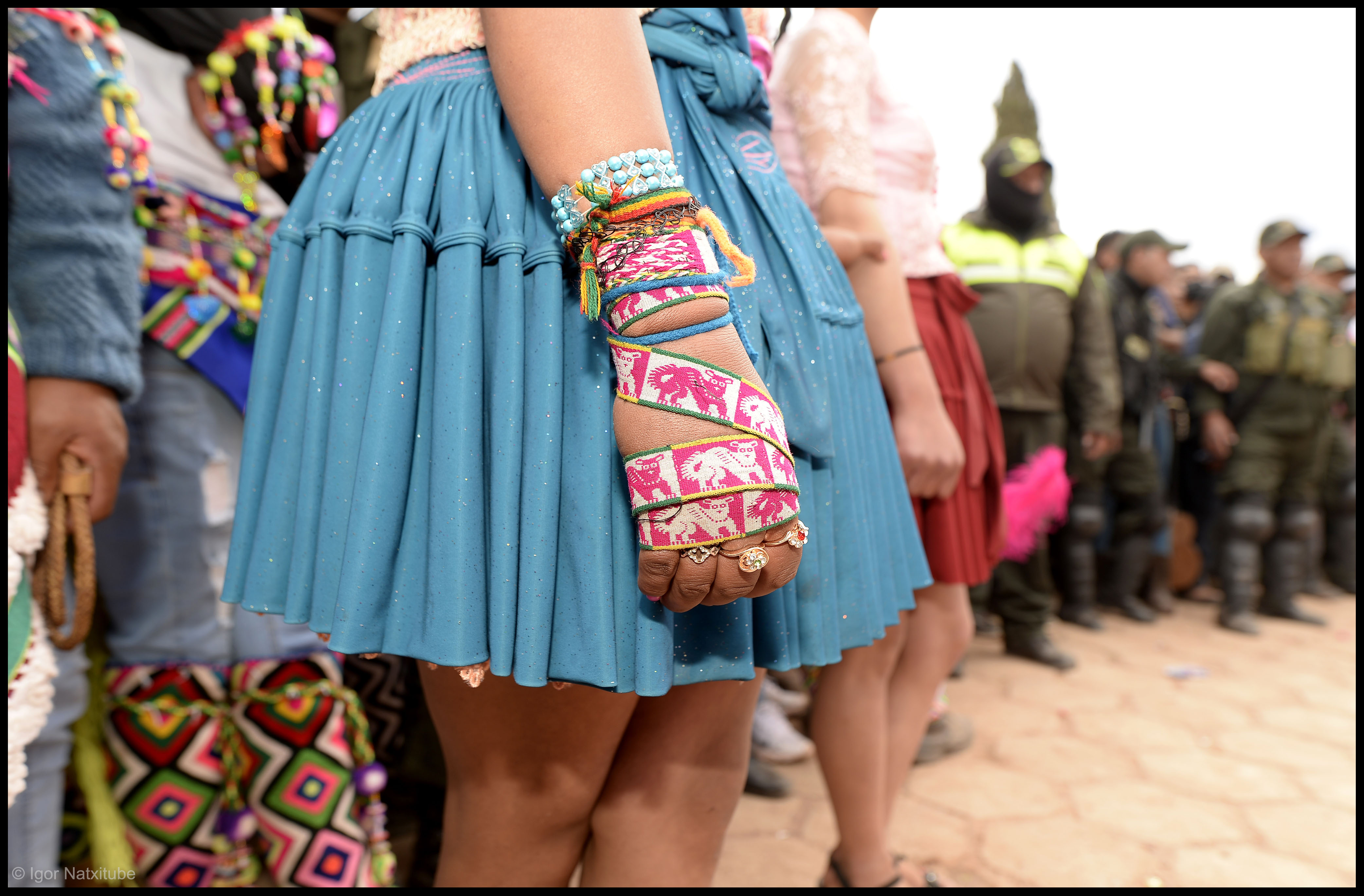
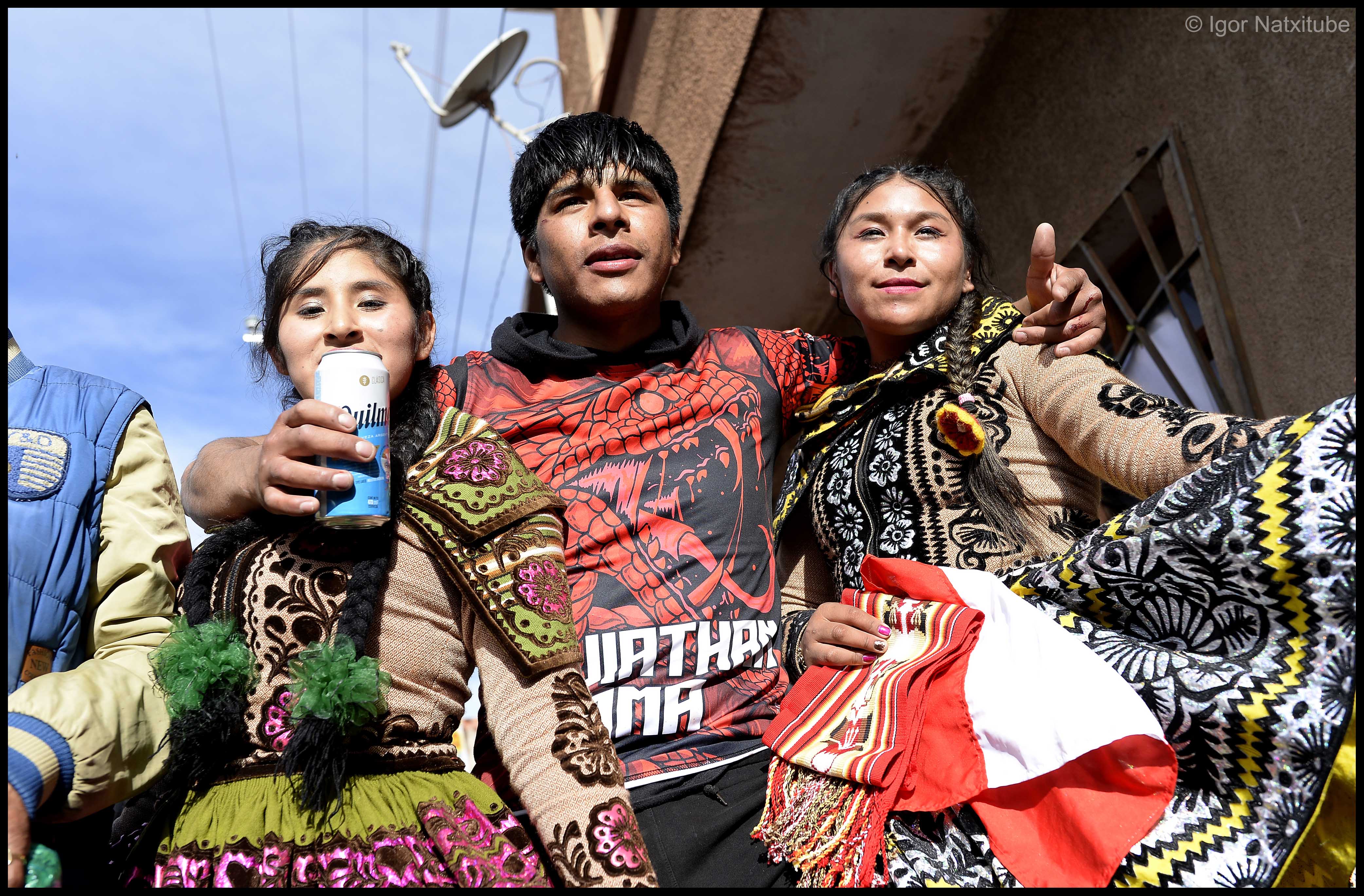
The Tinku celebration is much more than a manifestation of violence and brings together many ingredients, thus acquiring a relevant meaning. In this scenario, this religious syncretism is maintained between the Andean culture and the evangelization of the population with the arrival of the Spanish. The equivalent of our Christian cross is known as the Andean cross or Chakana and every May 3 it is aligned in an overhead position forming a perfect cross over the limpid skies of the Andean plateau marking the culmination of the harvests (end of the rains) and the beginning of the dry season. Tinku in Quechua means “encounter” and during these special dates young people from different communities celebrate love encounters. They have the opportunity to show their virility and value while they wear handmade dresses of vivid colors as an attraction. There are also relatives who take the opportunity to get together with other members of the clan from other Bolivian departments and it is their only occasion all year. Of special relevance is the direct link as an act of reciprocity and gratitude with Pachamama or Mother Earth, venerating her and offering their own blood, even paying with the lives of some community members as a result of the fights. Currently, opponents no longer die because in addition to the existence of judges who break up fights, the police are present and quickly gas the riots to impose order. It is also the great day indicated to settle personal quarrels, disagreements or solve problems between men or women.
In any case, the people who participate in the Tinku demonstrate their commitment and cultural reaffirmation with the community. San Pedro de Macha is known as the capital of Tinku but there are other towns in the department of Potosi such as Ocuri or Pocoata where it is also practiced.