QOYLLUR RIT' I - CUSCO - PERU
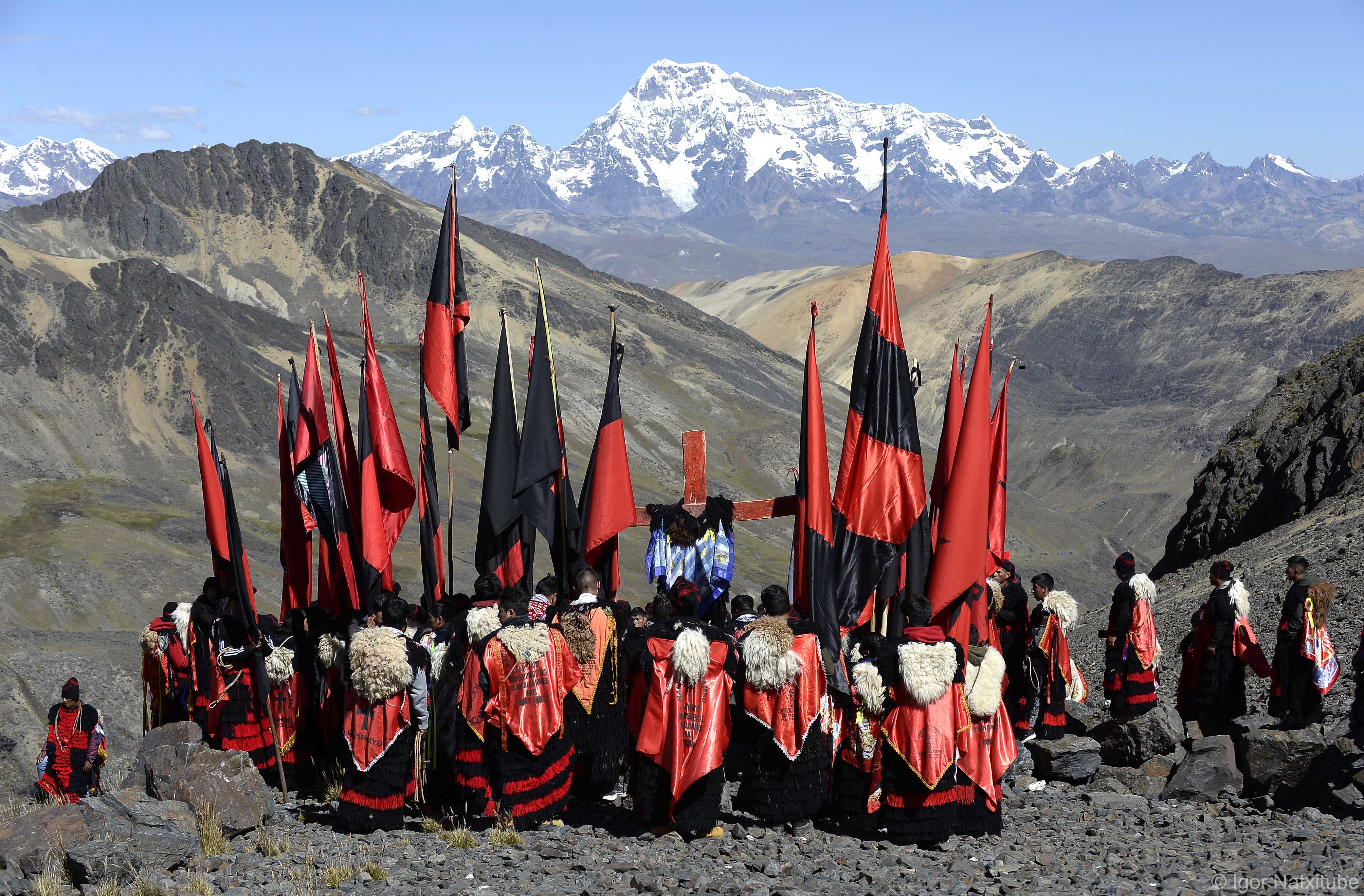
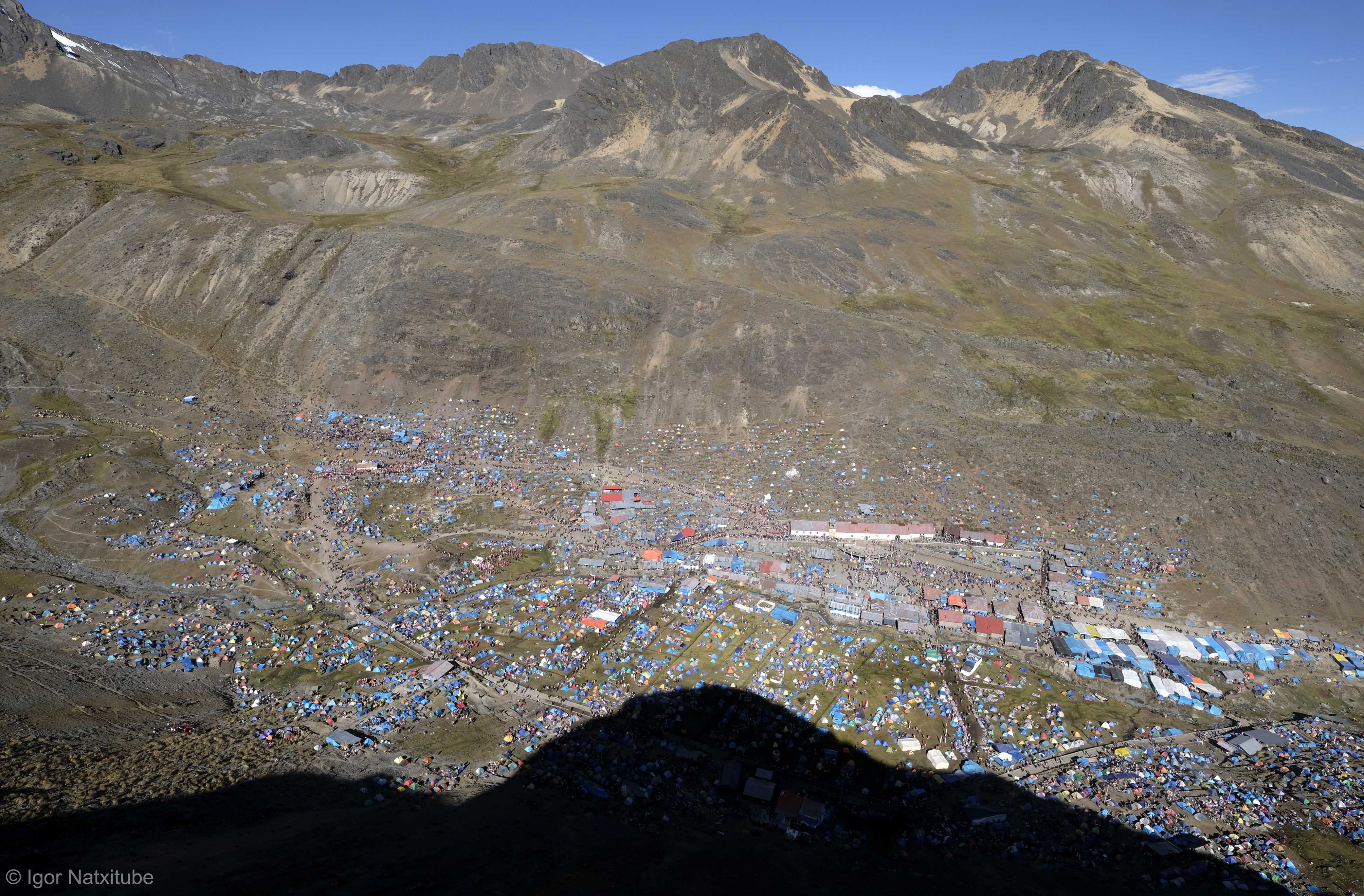
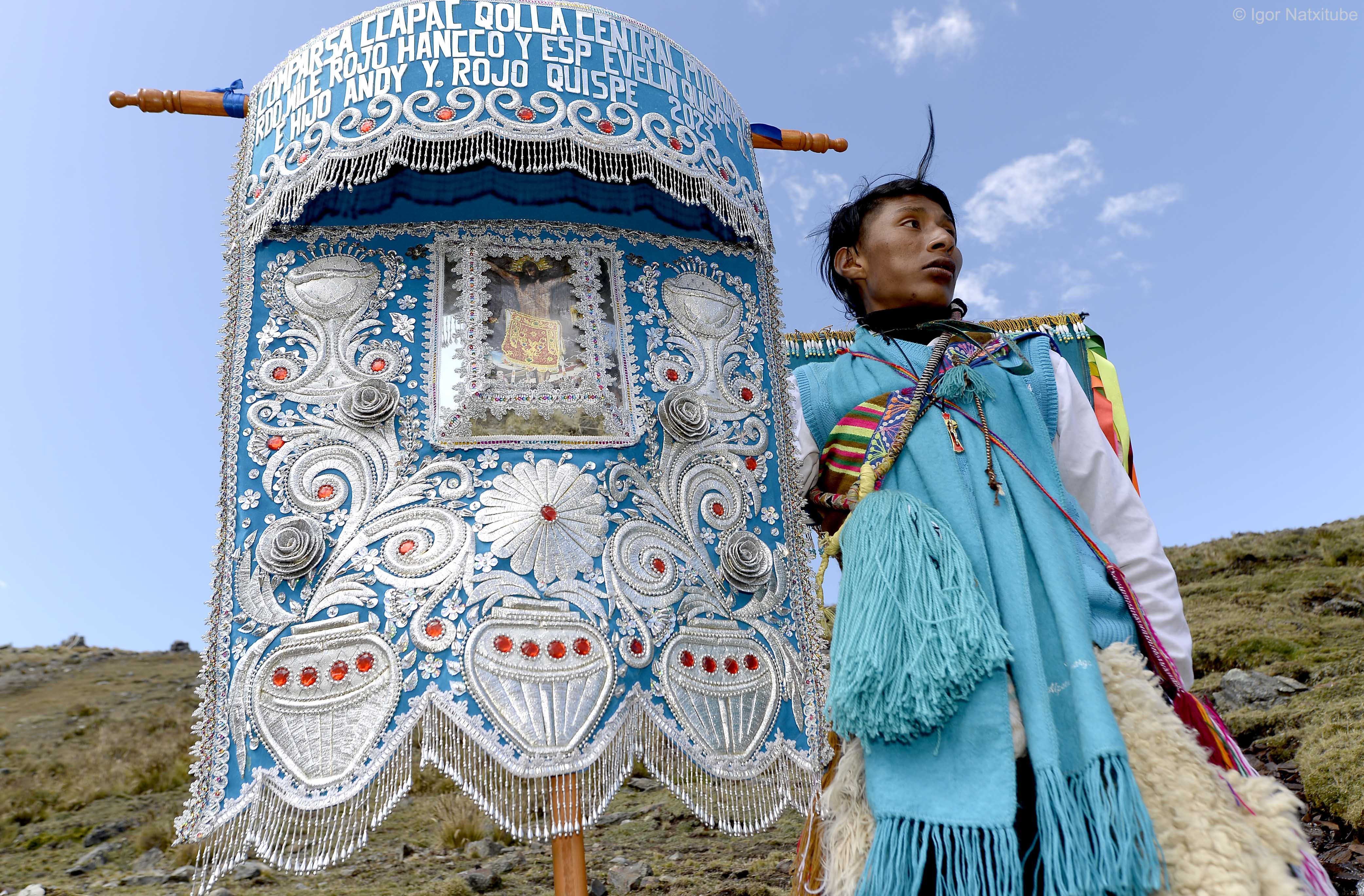
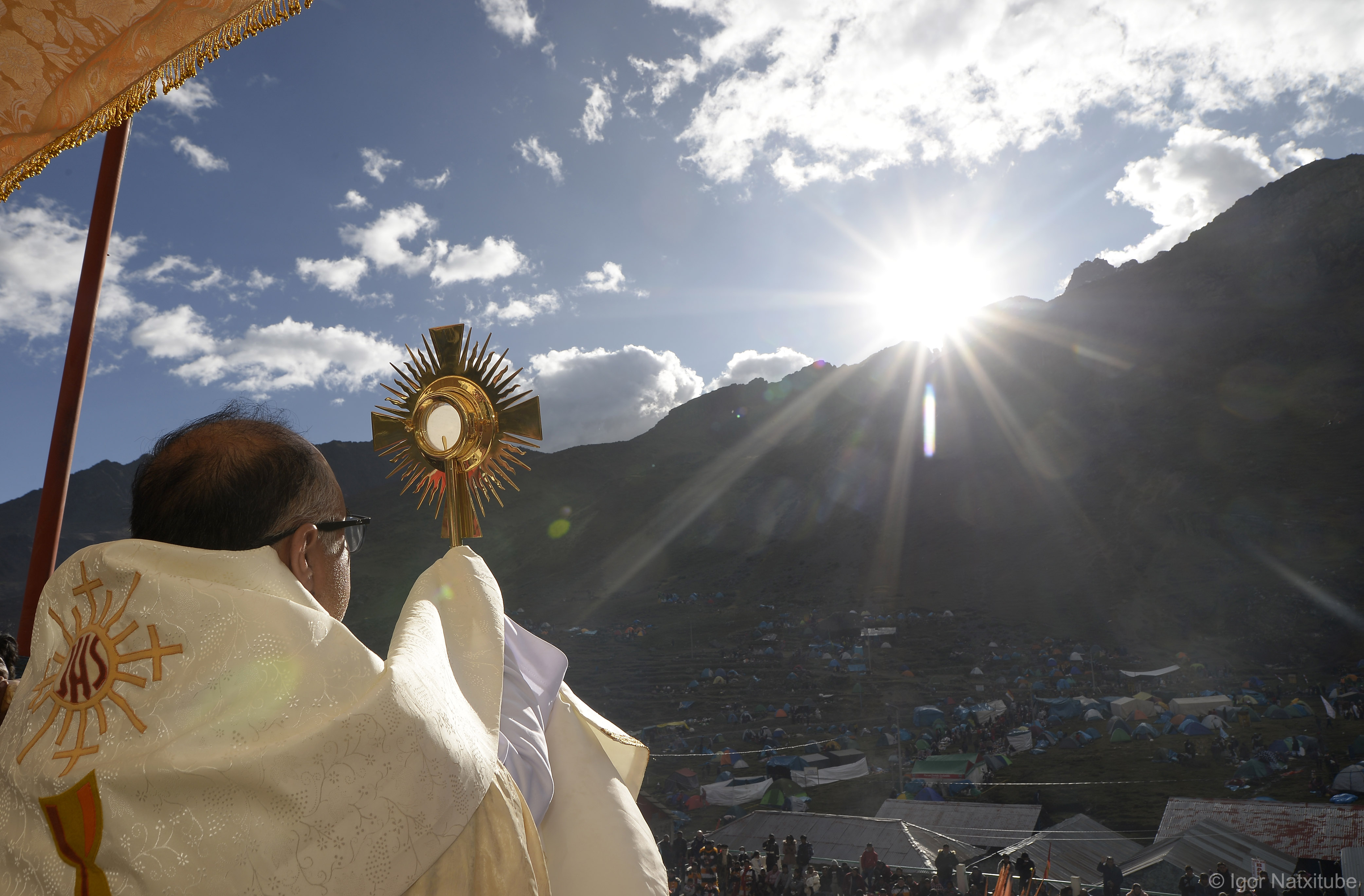
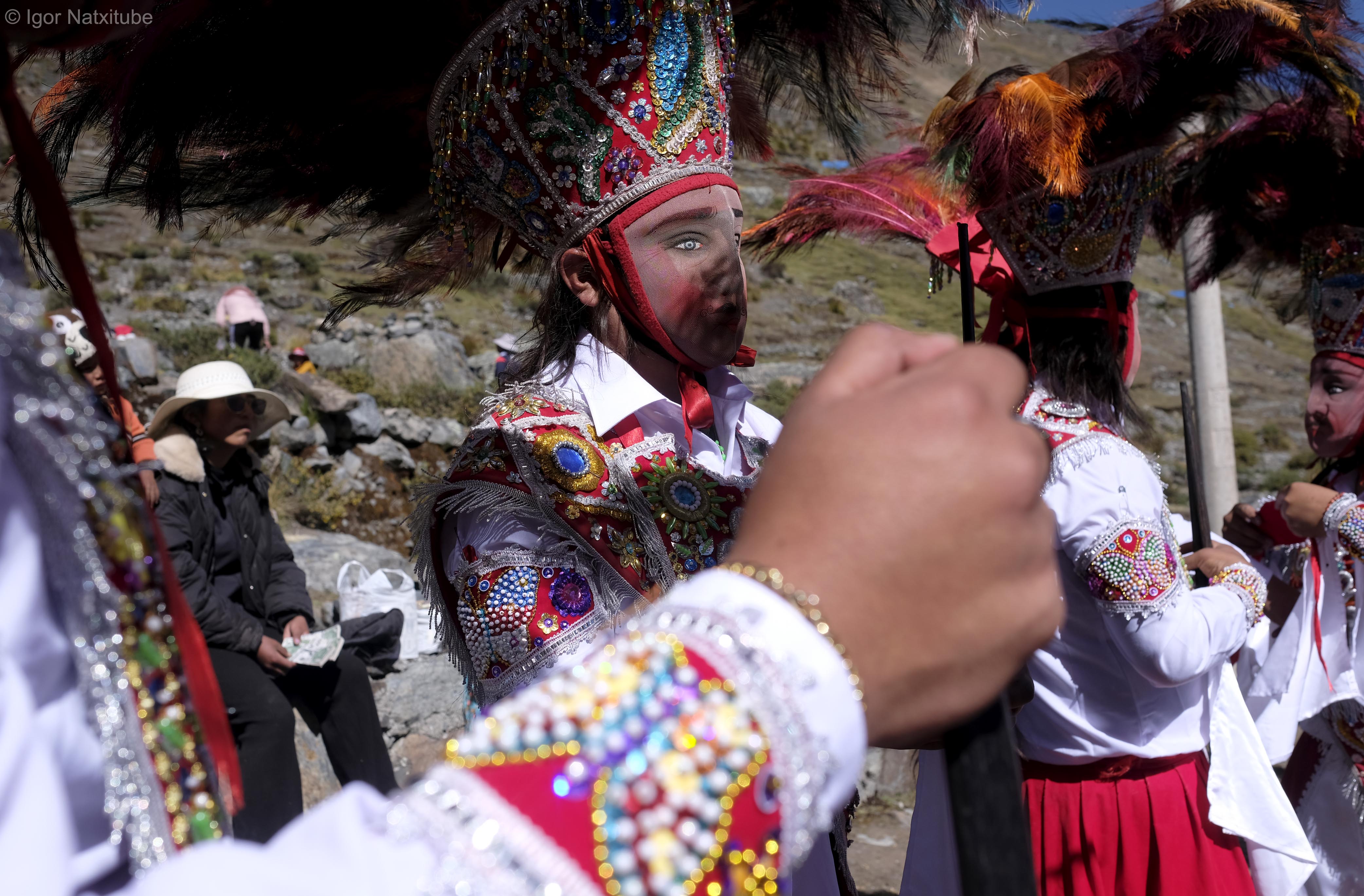
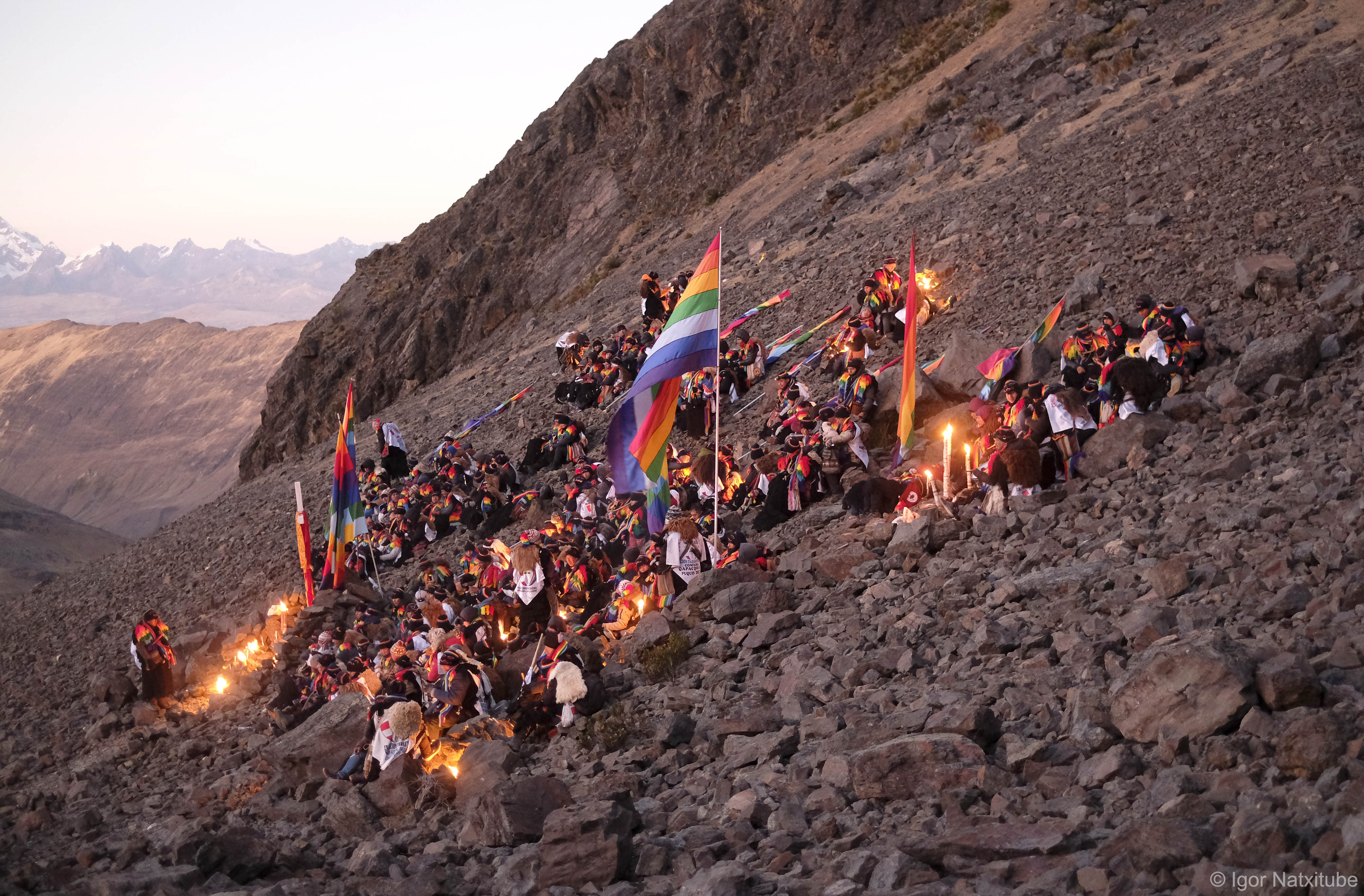
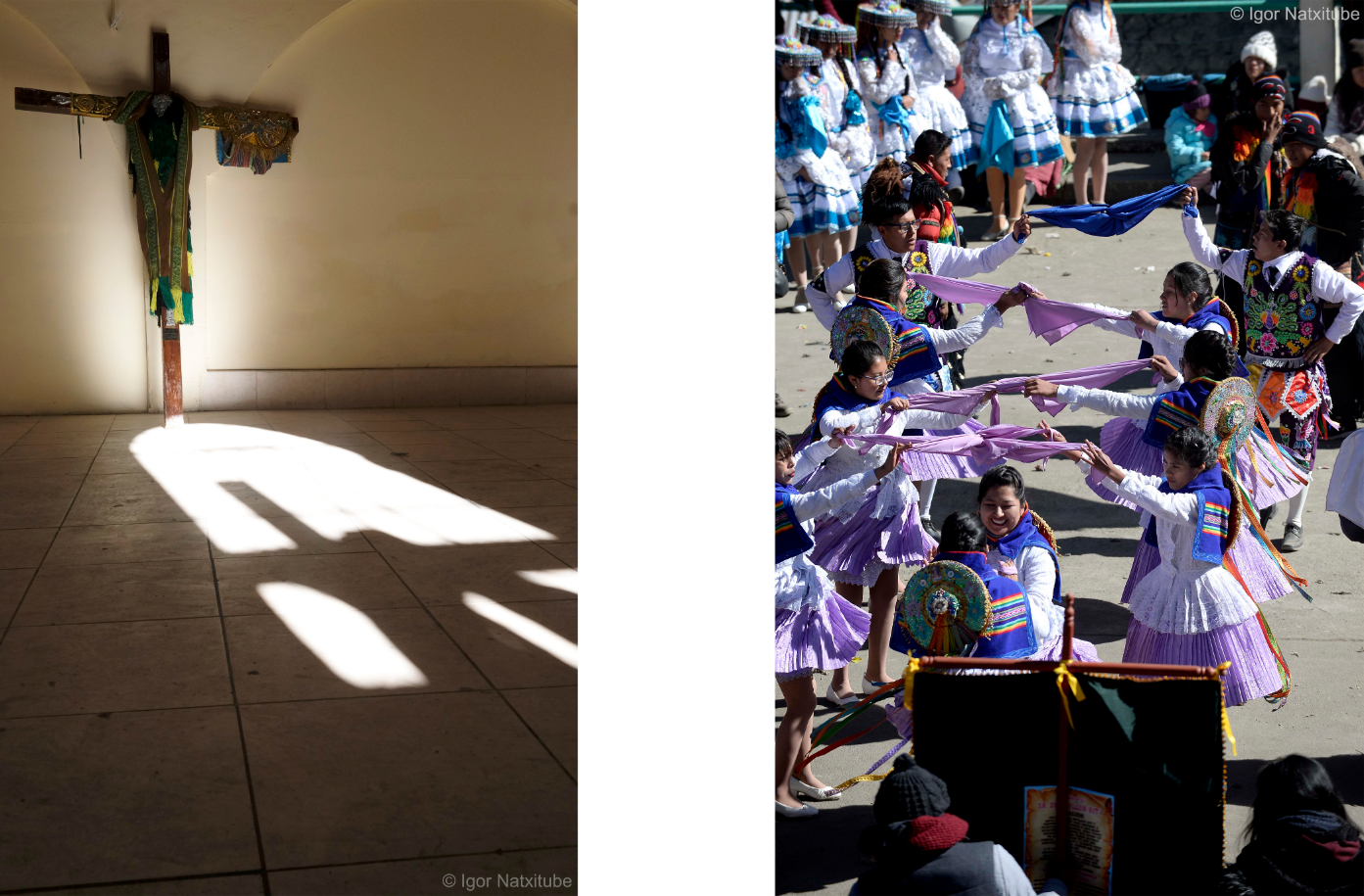
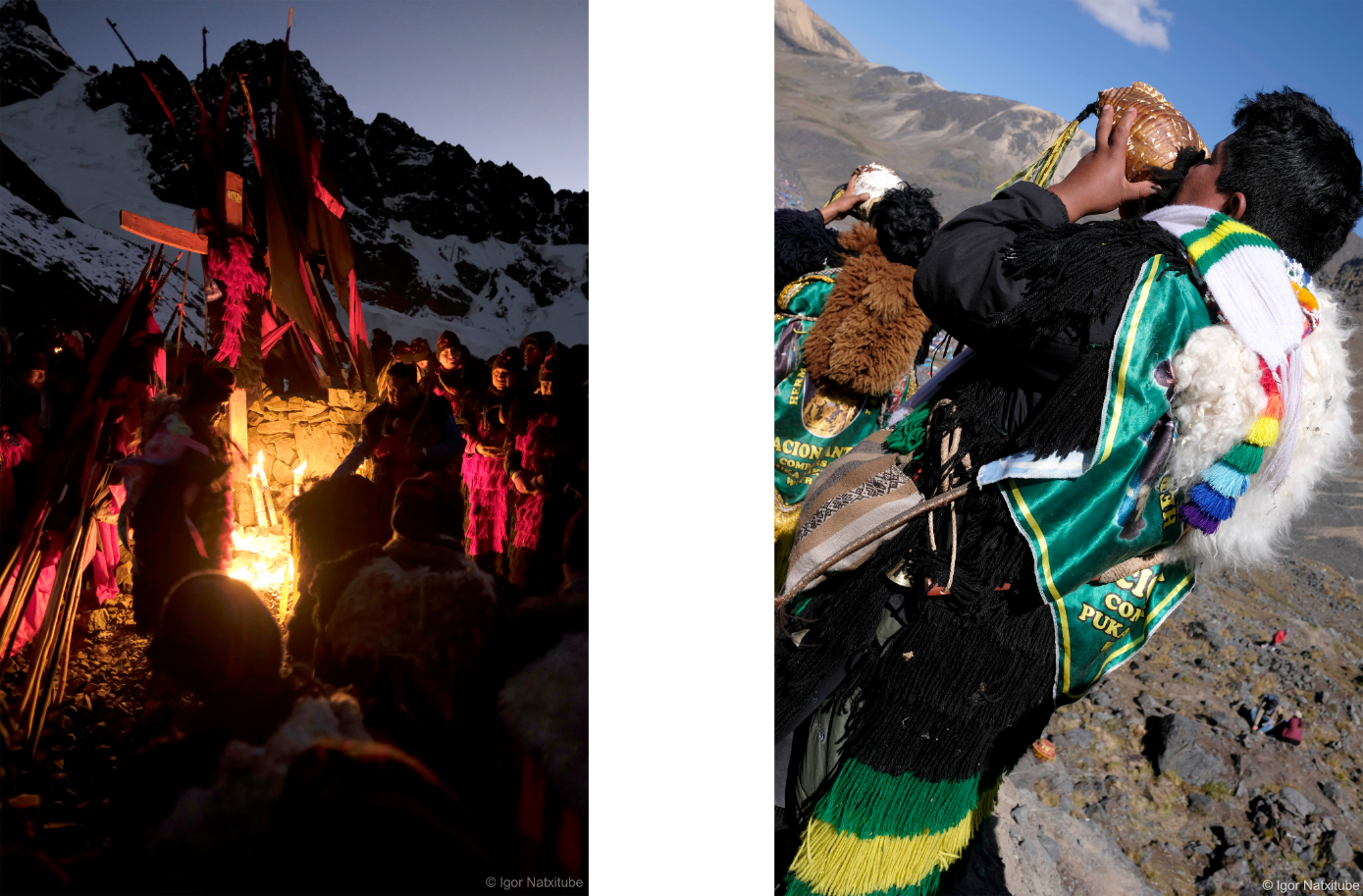
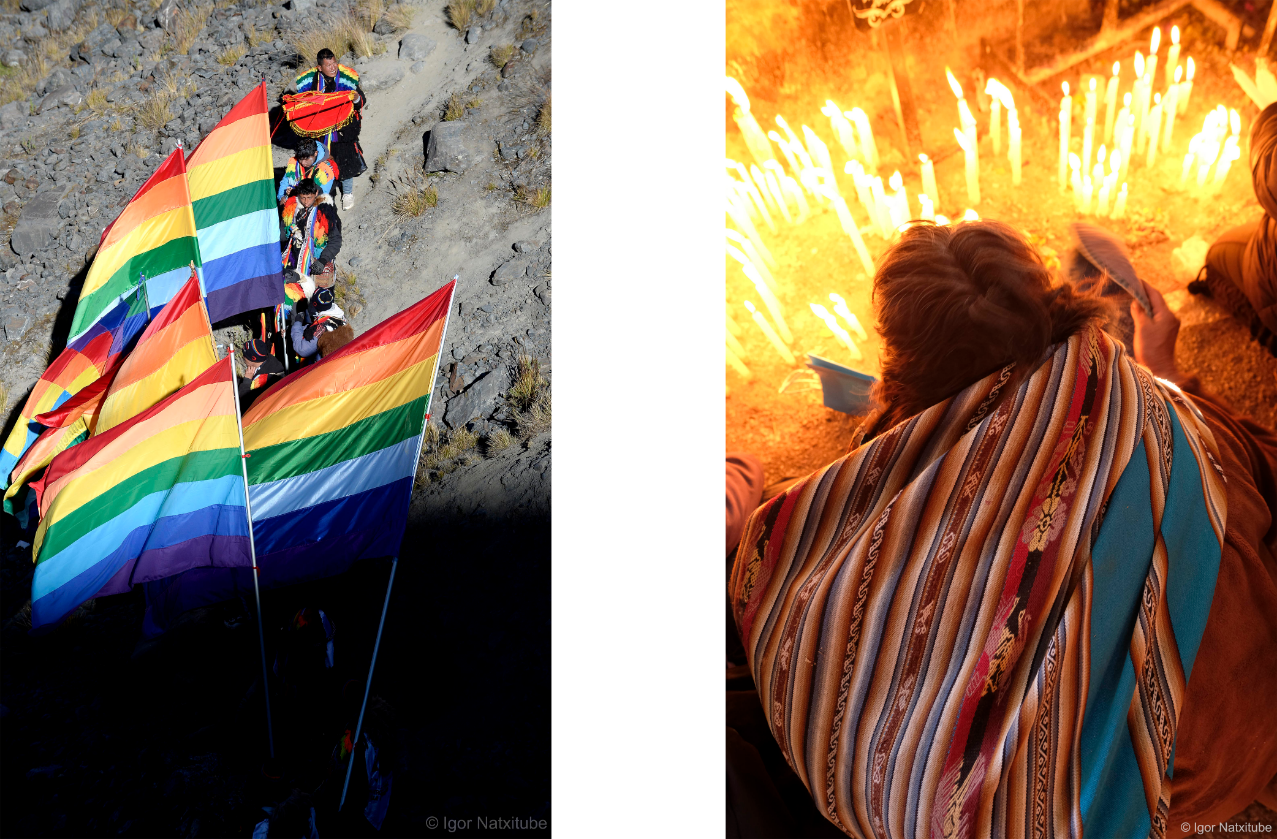
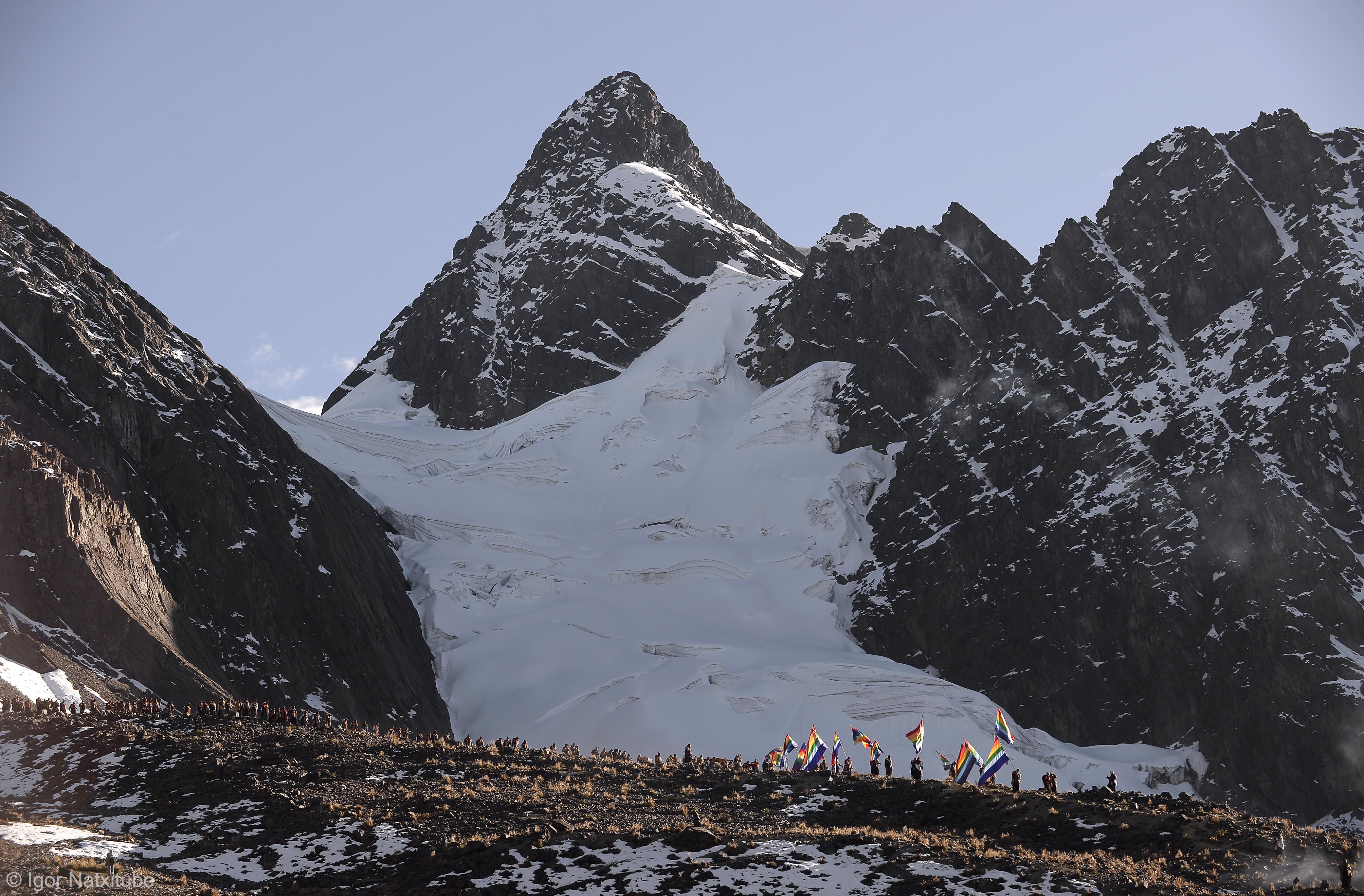
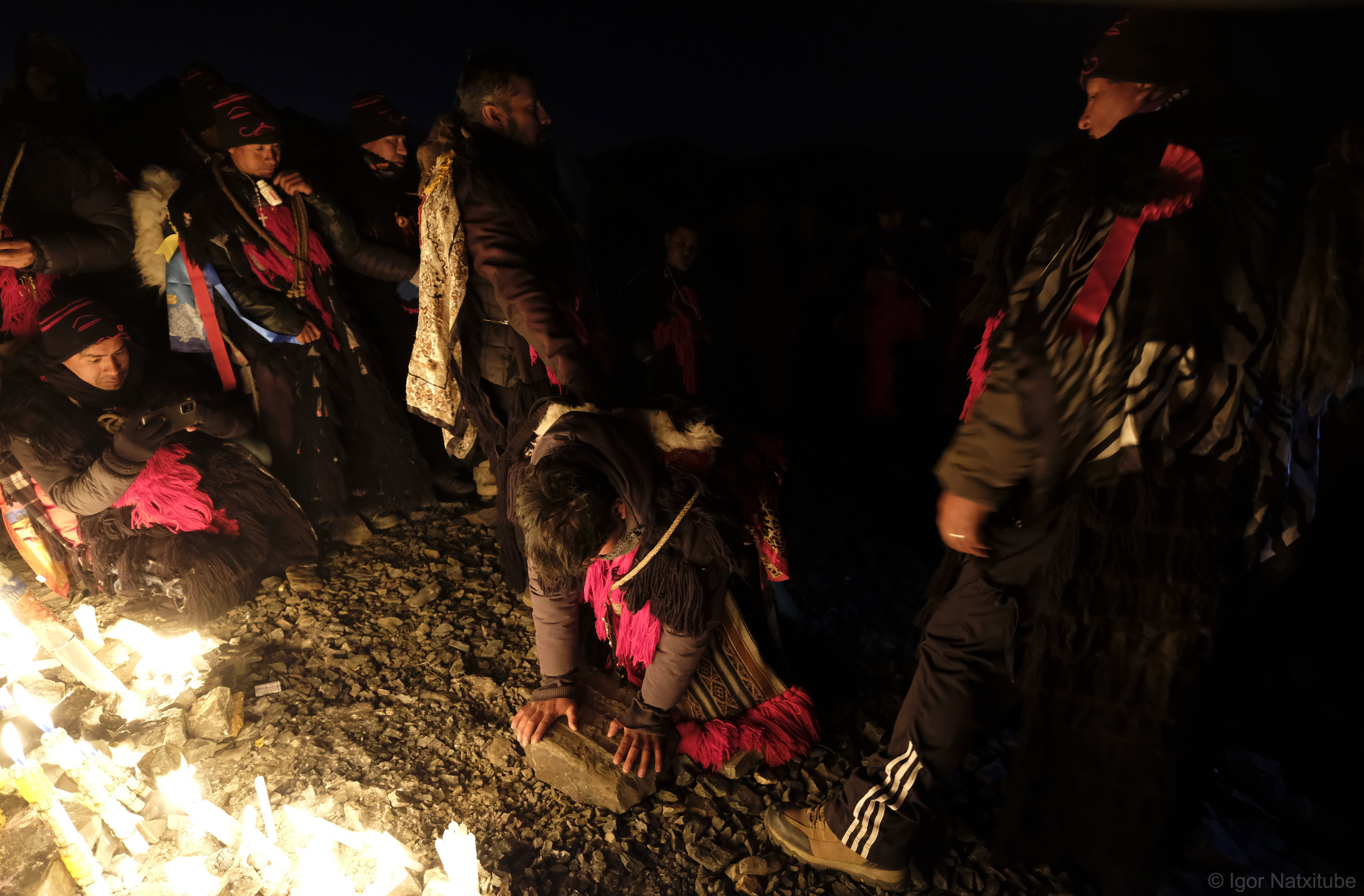
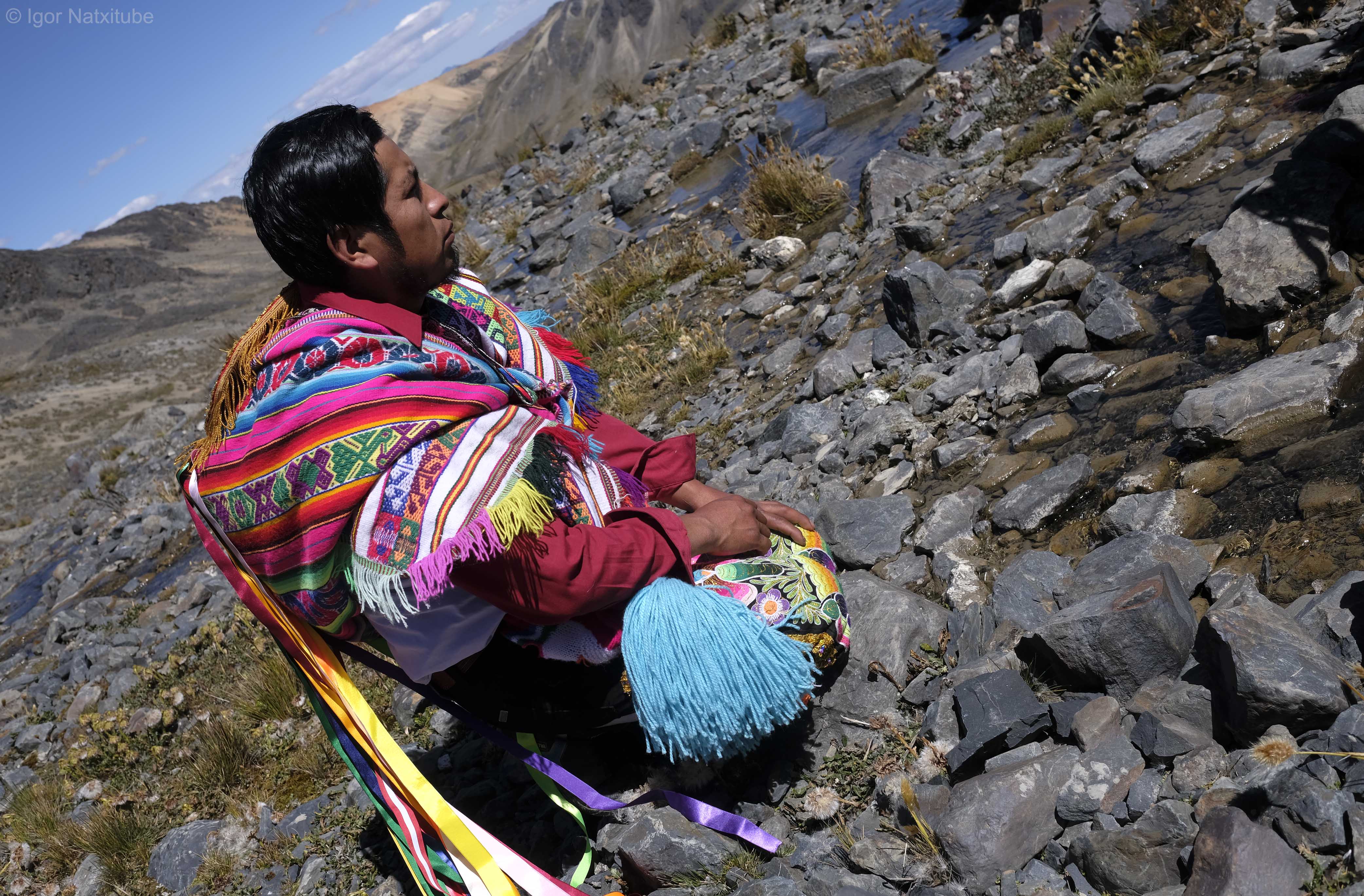
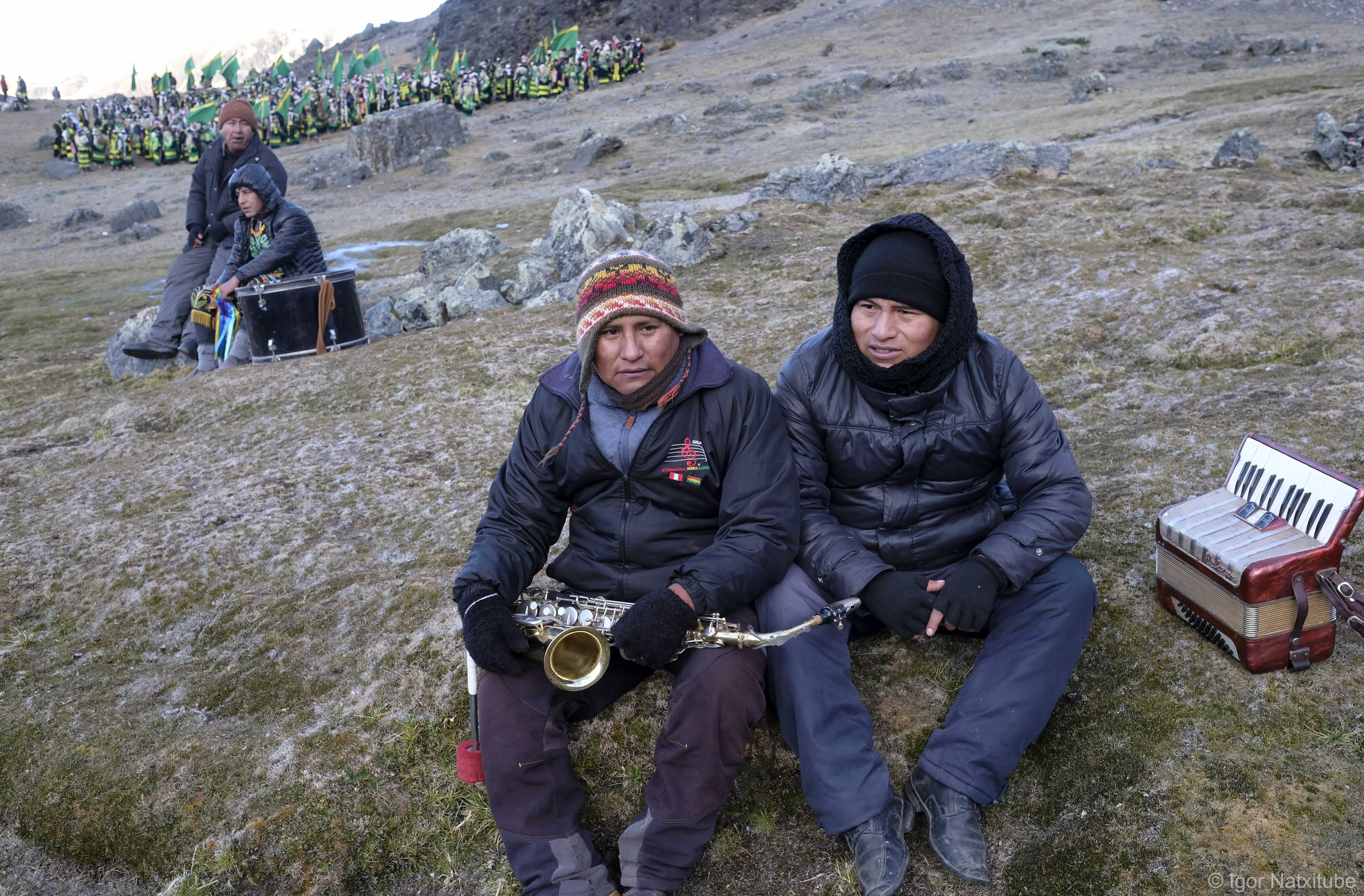
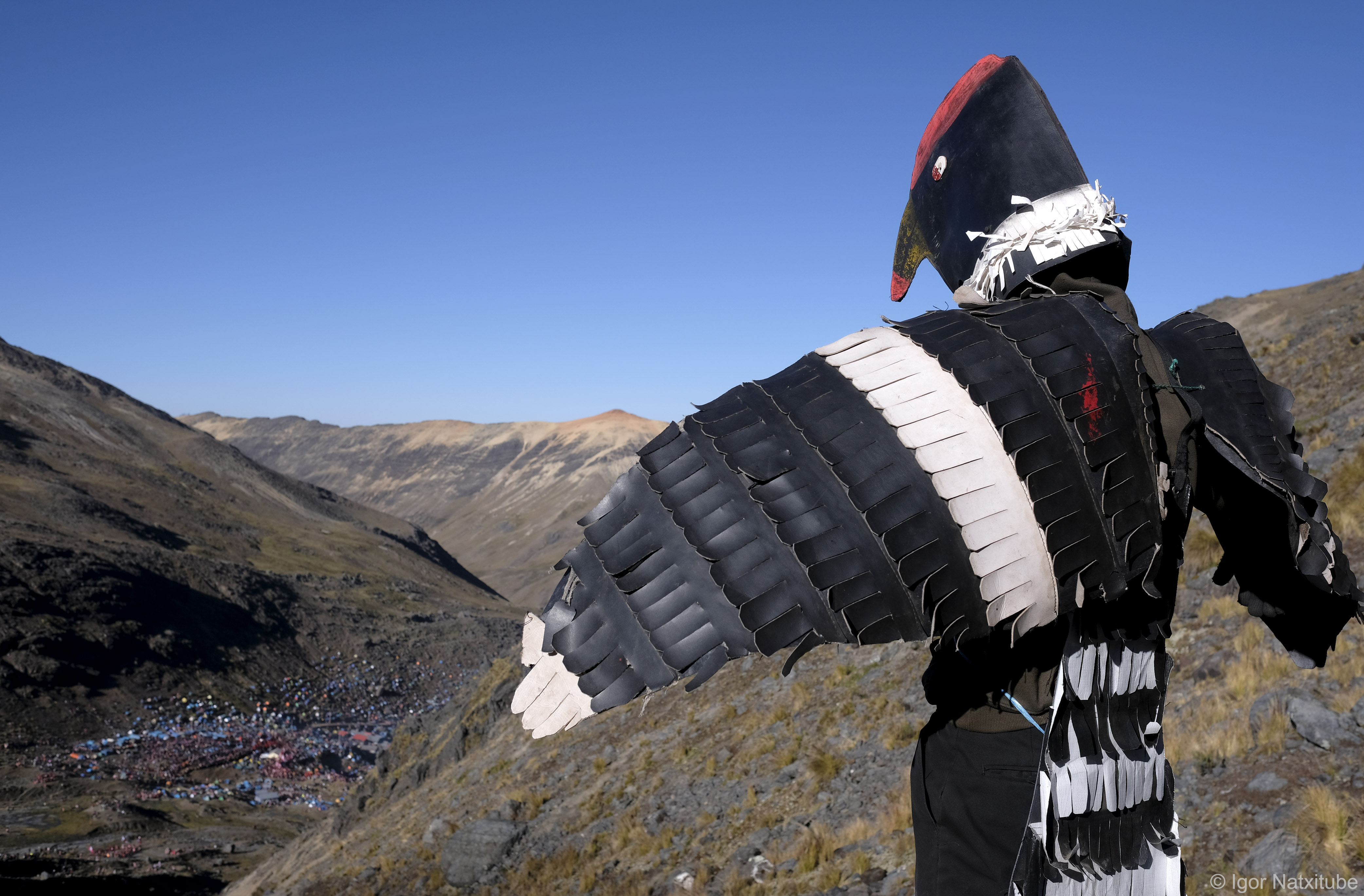
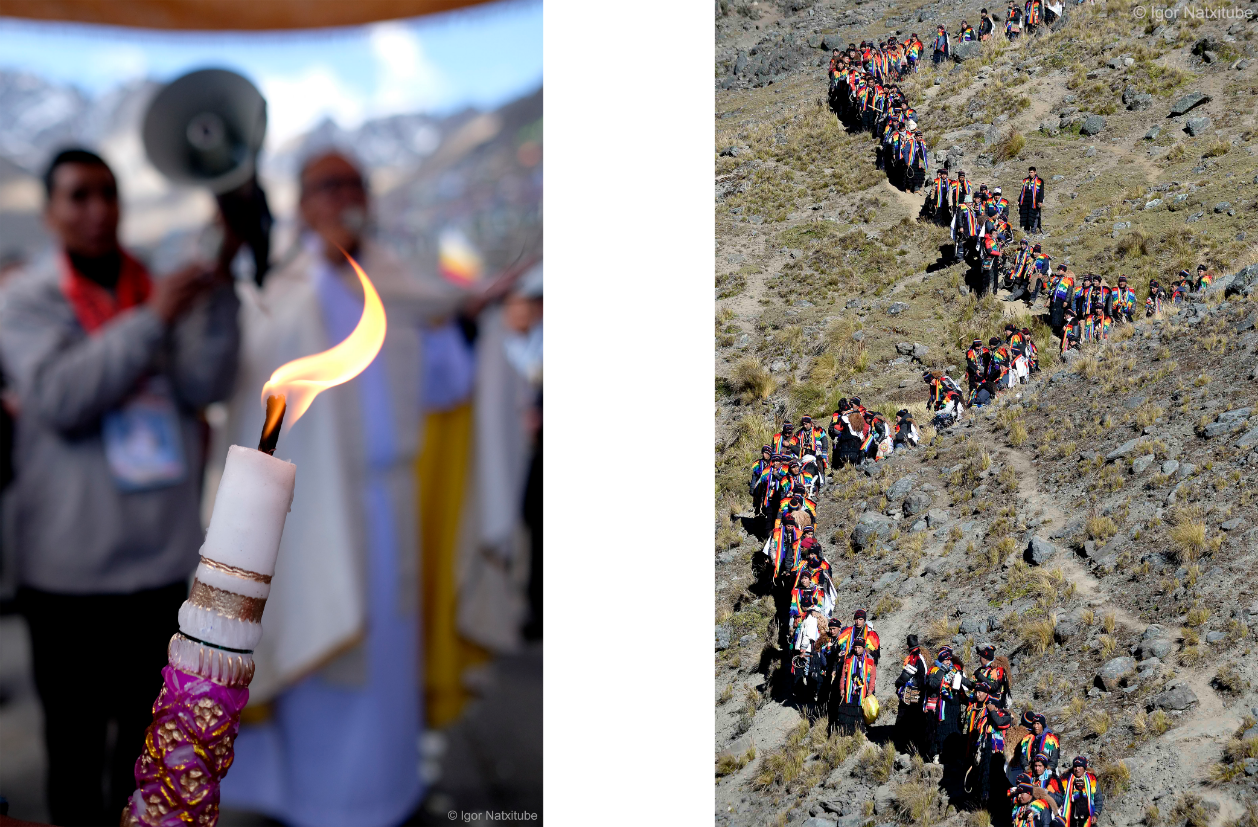
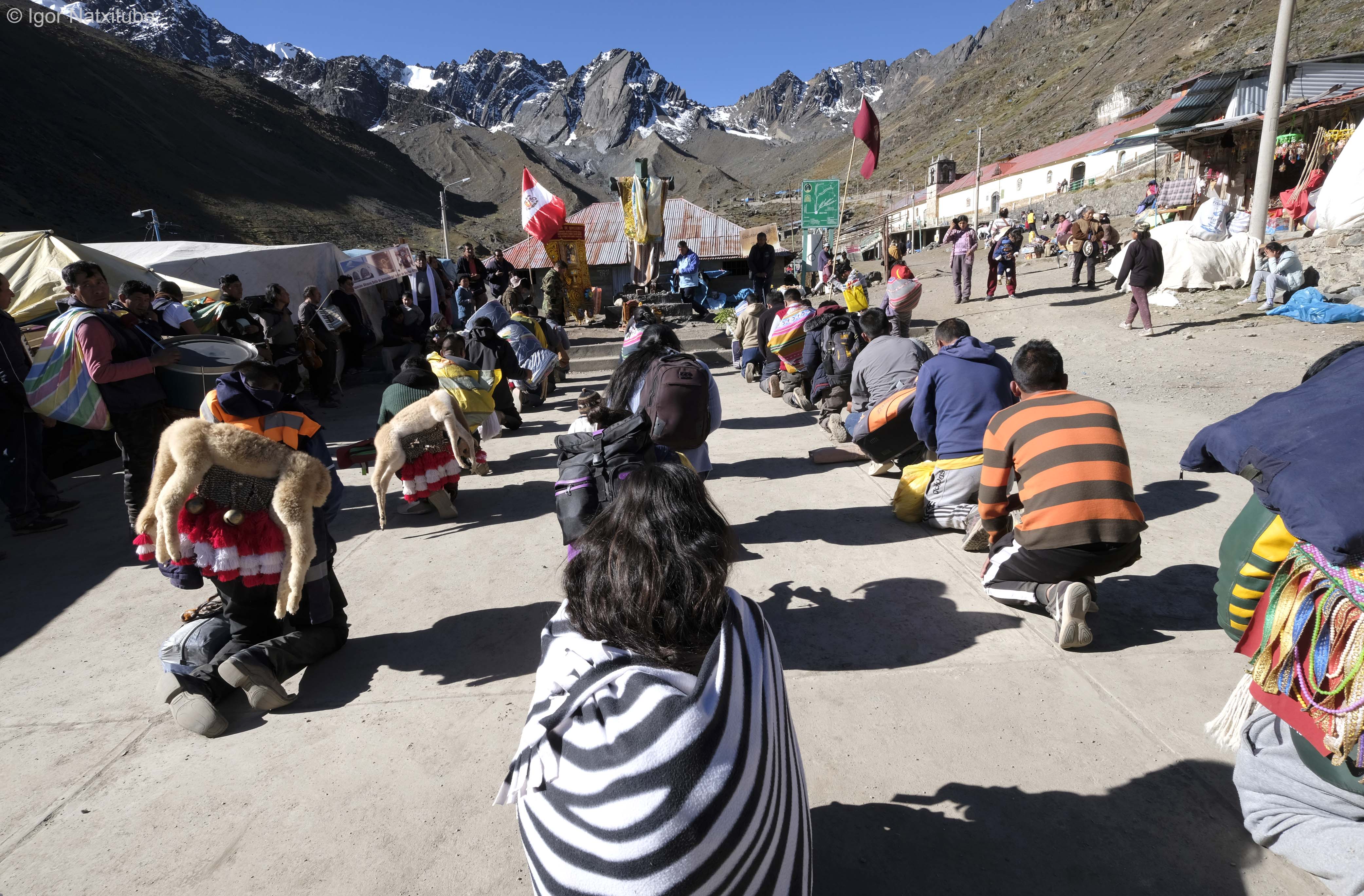
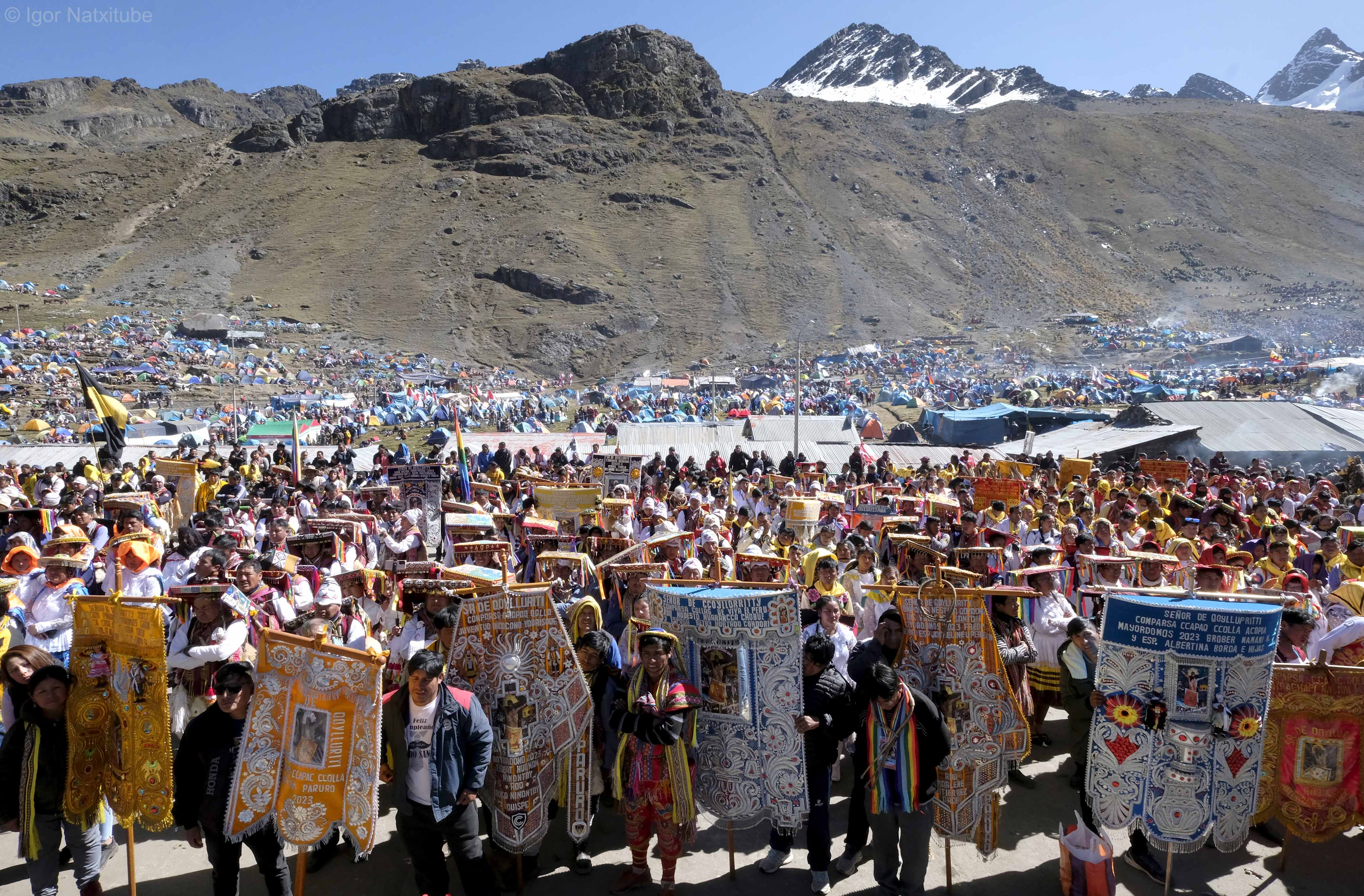
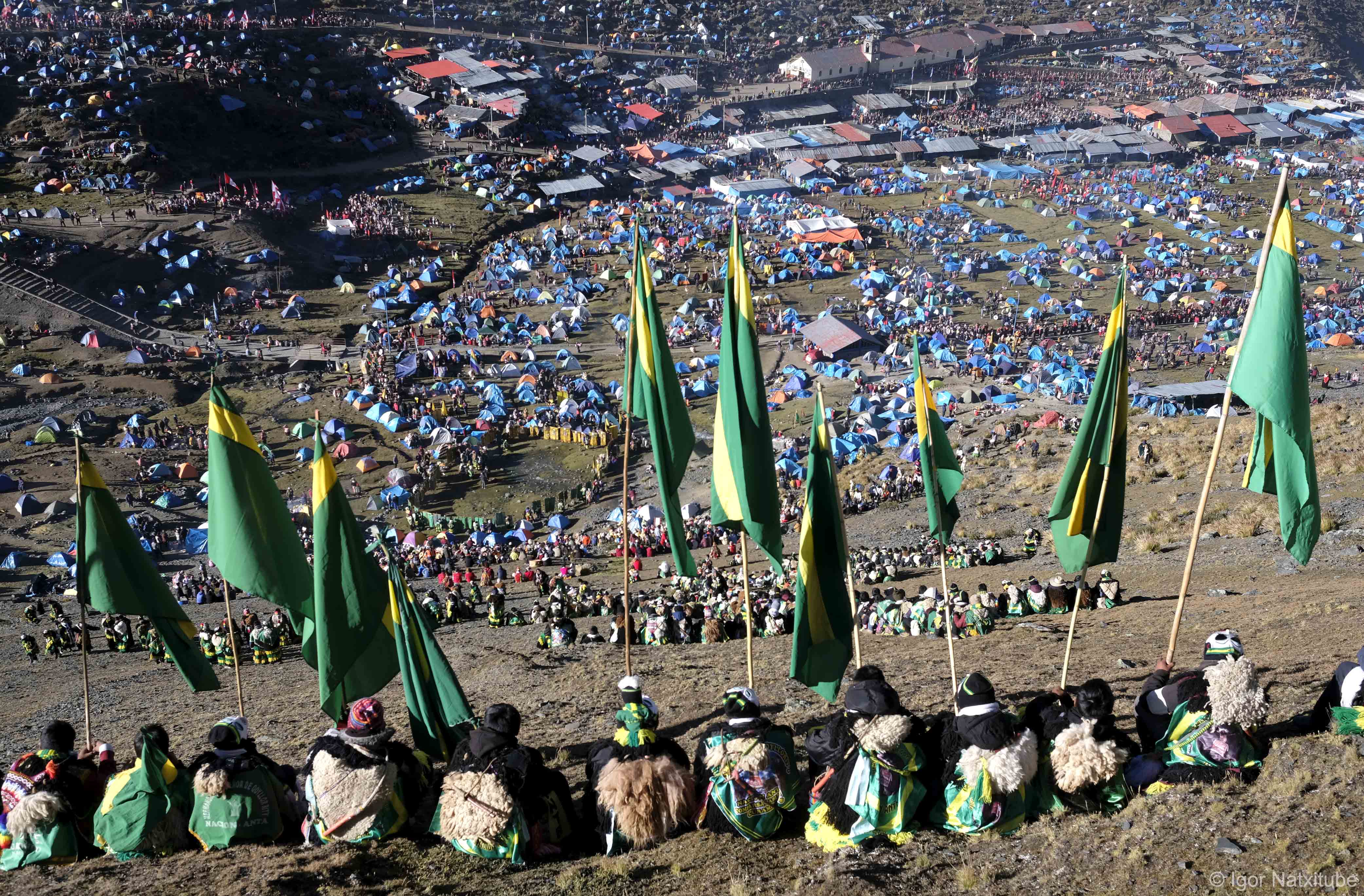
The Nevado Ausangate is witness to the most notable and numerous religious pilgrimage in Latin America. We are located in the south of Peru, department of Cusco, province of Quispicanchis, district of Ocongate. Vigilant and haughty with its 6,384 meters of altitude and sacred abode for excellence, it is located in front of the Sinakara Gorge, the scene of the festival of the Lord of Qoyllor Rit'i for 243 years.
The invocation of Taytacha Qoyllur Rit'i or “Lord of the Snow Star” alludes to probable observations of an astronomical nature, linked to the rise of Venus, the star that radiates cosmic energy in relation to the snow-capped mountains behind the sanctuary. ; It is the reason for the pilgrimage to Qoyllur Rit'i and the real origin that it was already practiced in Inca times before the colonization of the Spanish, evangelization and the establishment of Christianity.
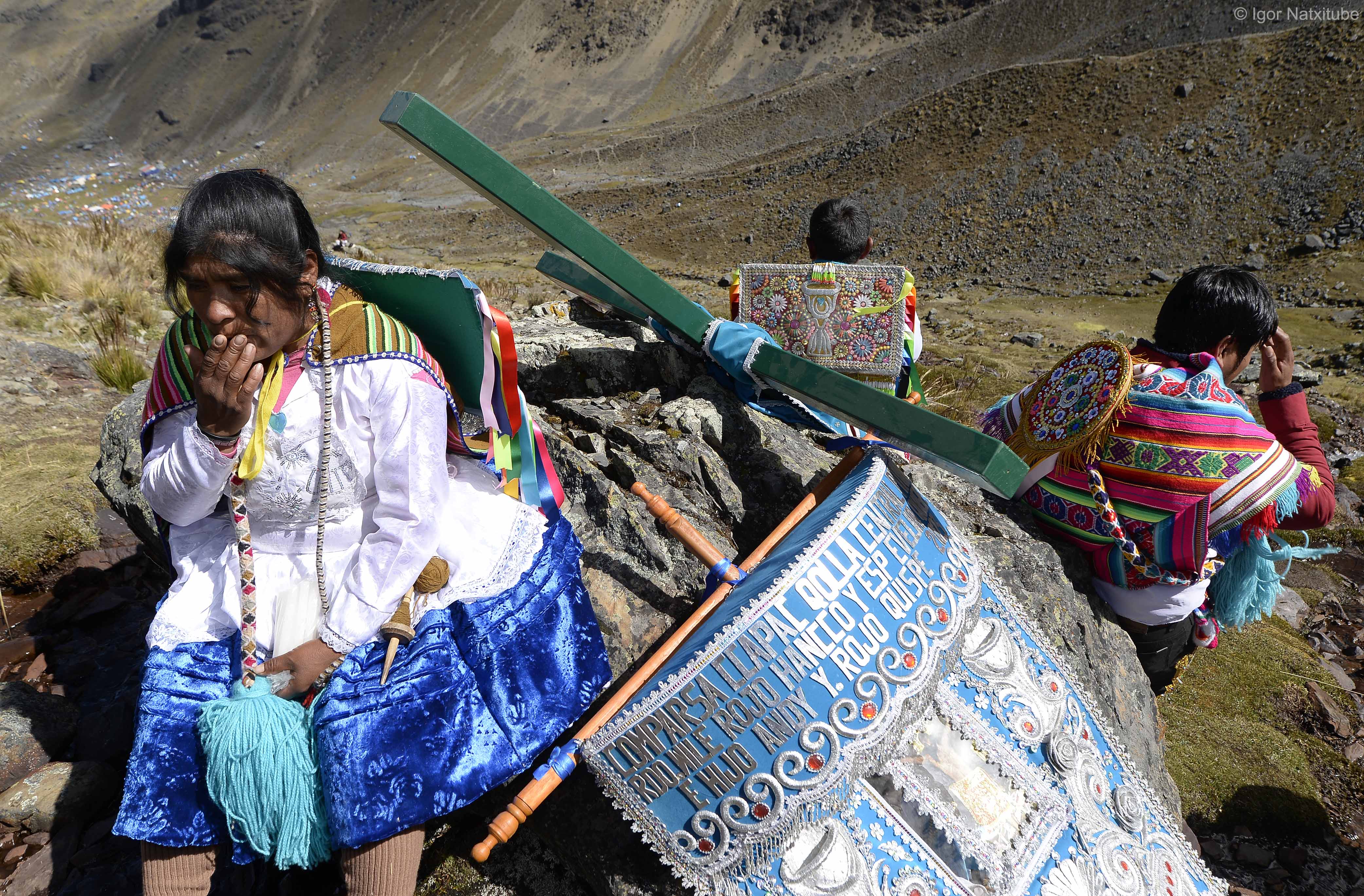
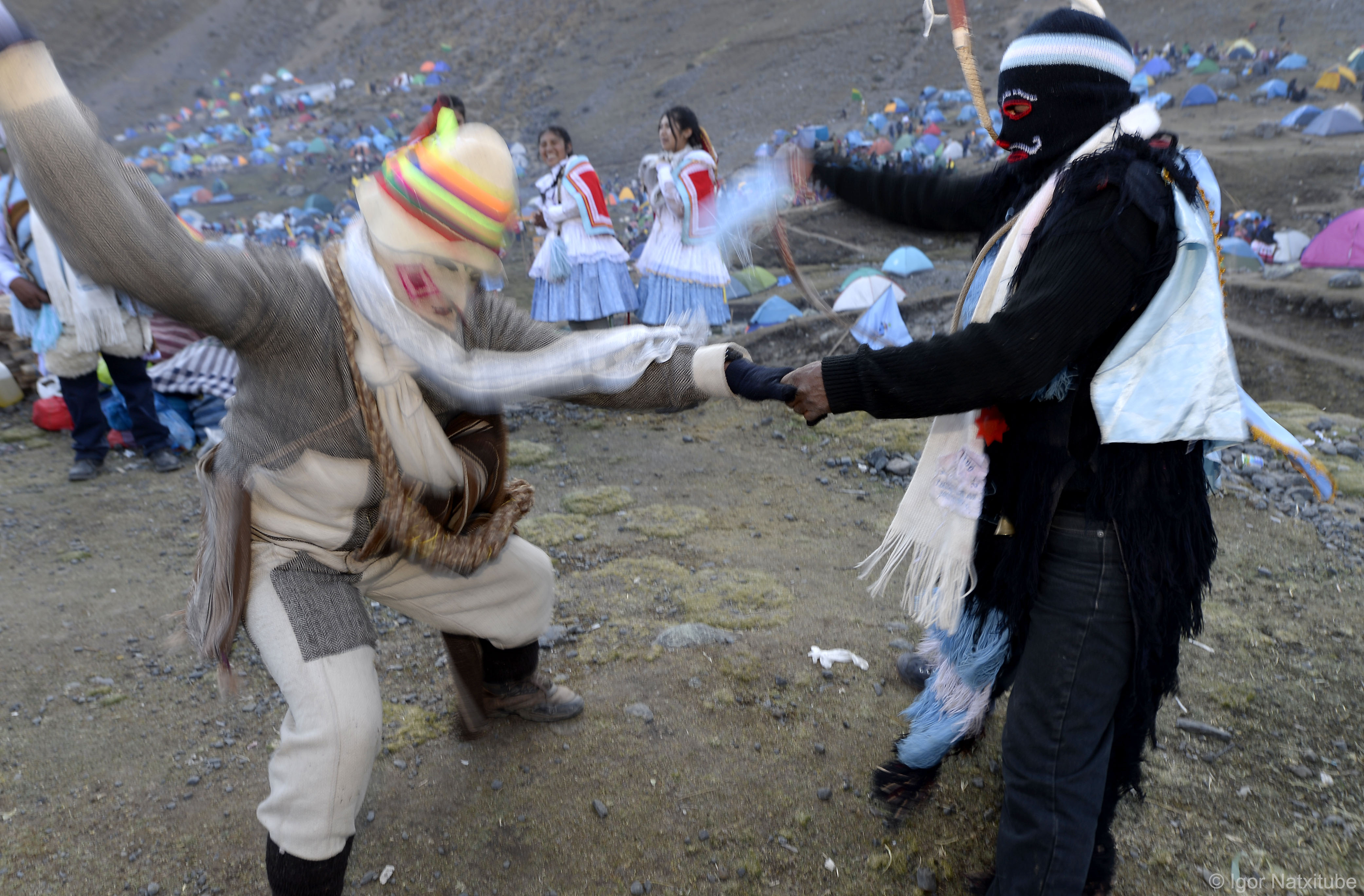
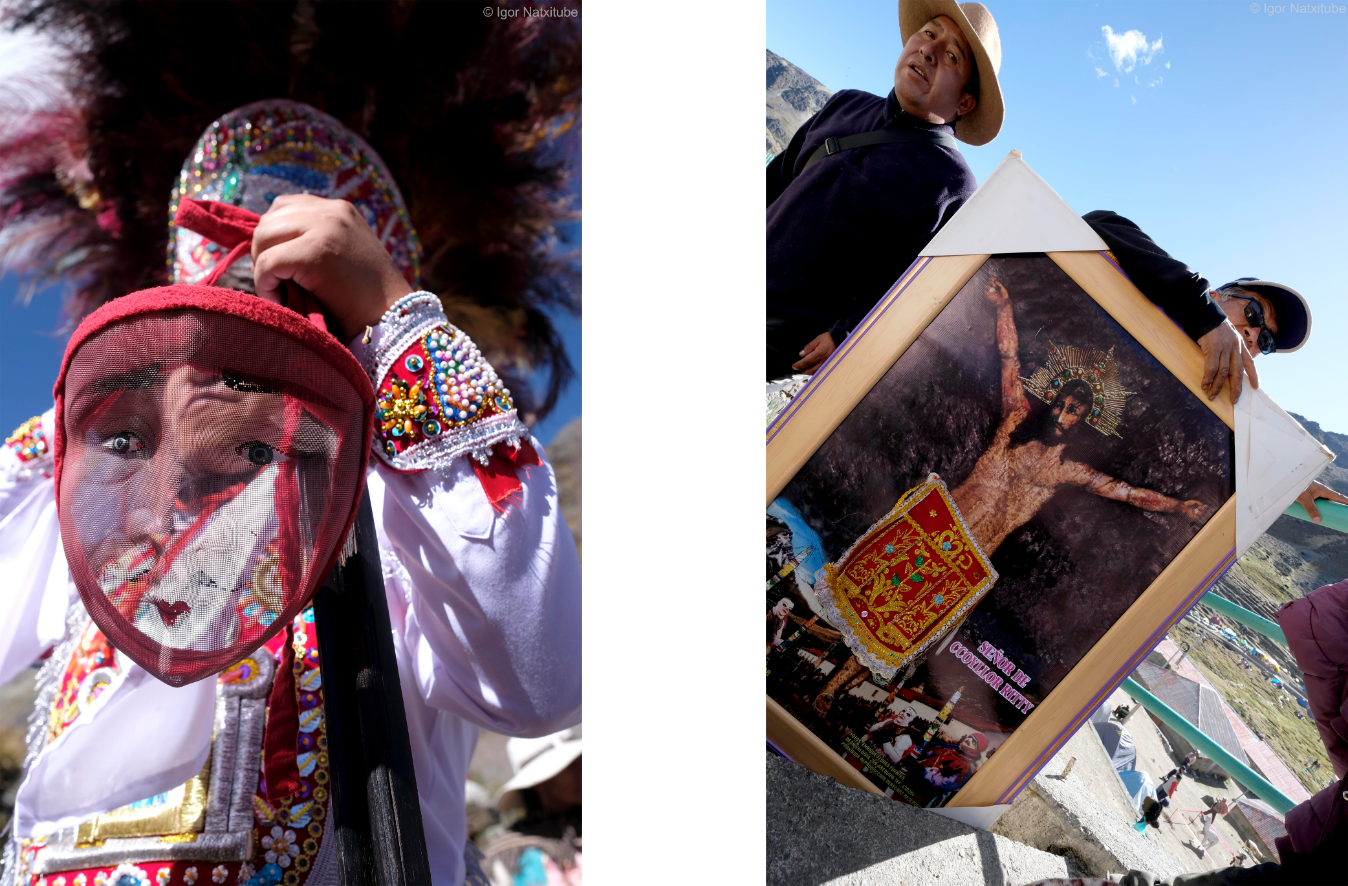
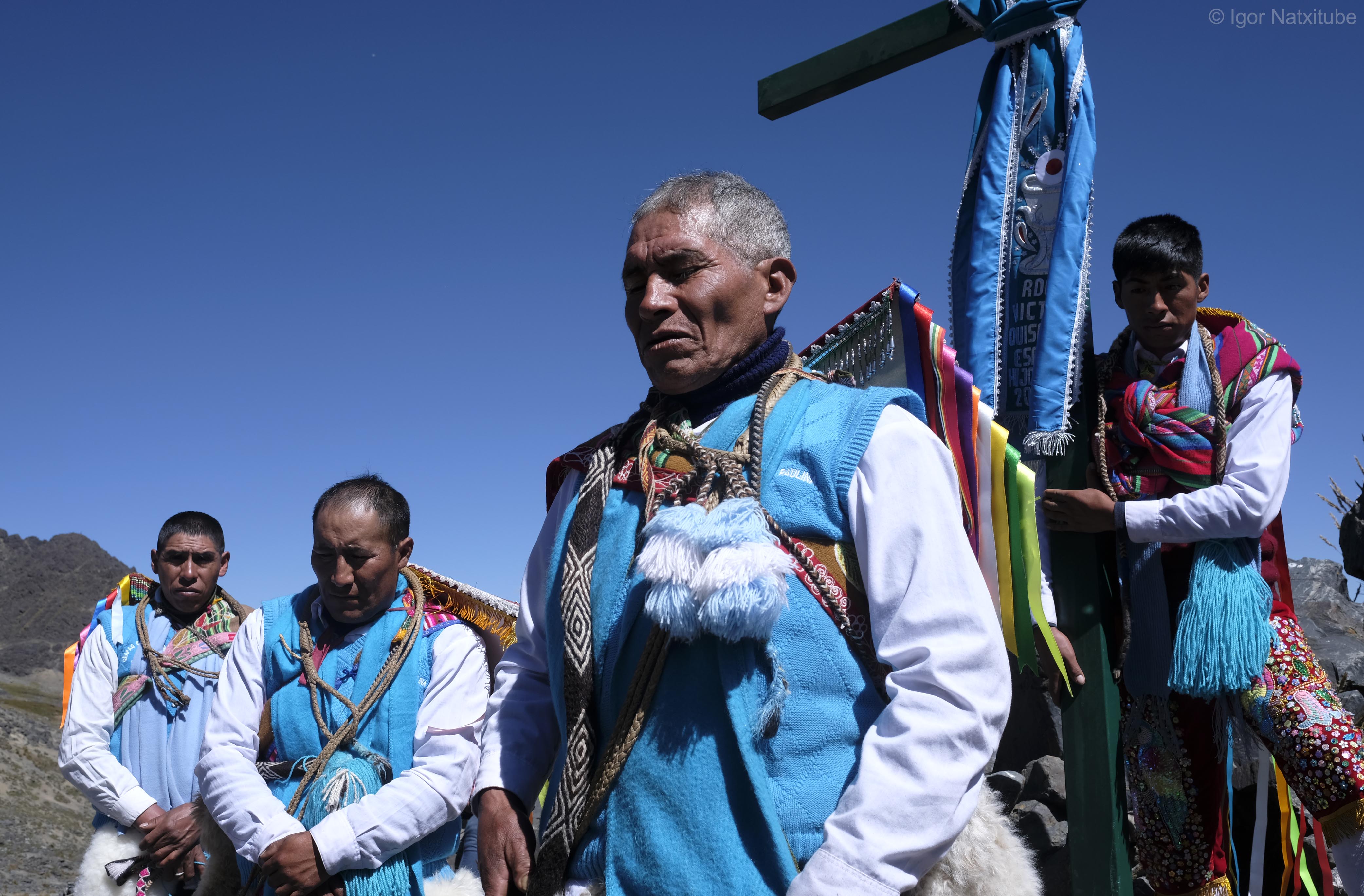
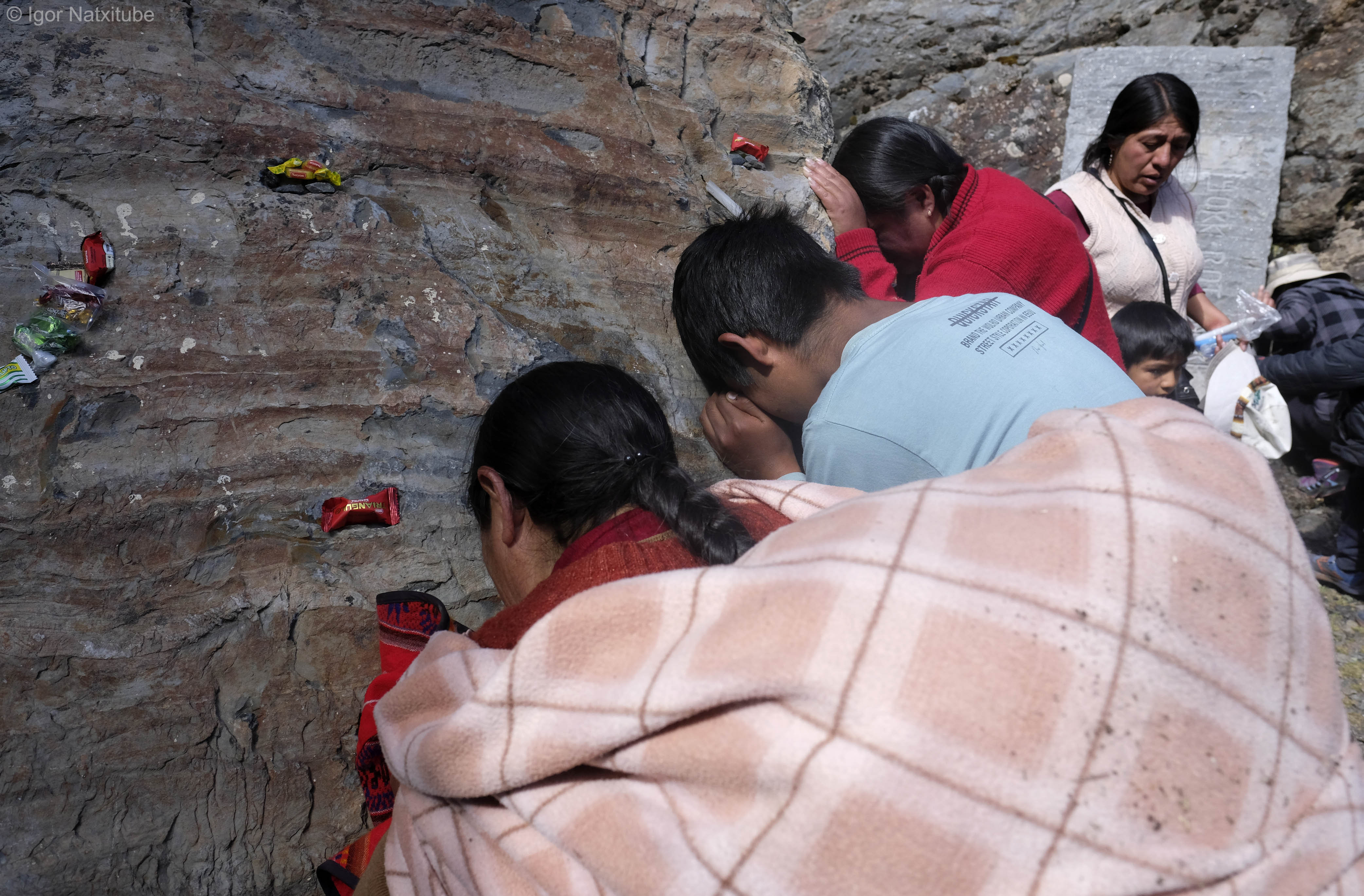
Qoyllur Rit'i means "Snow Star" in Quechua and according to beliefs, the event that gave rise to this celebration was that the Child Jesus, disguised as a shepherd boy, became friends with an indigenous boy, Marianito Mayta. When the parents found the child dressed in rich attire, they notified the local priest, Pedro de Landa, who tried to capture him without success, because a stone appeared in the place of the creature. Marianito died immediately and the image of the Lord of Qoyllur Rit'i was fixed on the rock
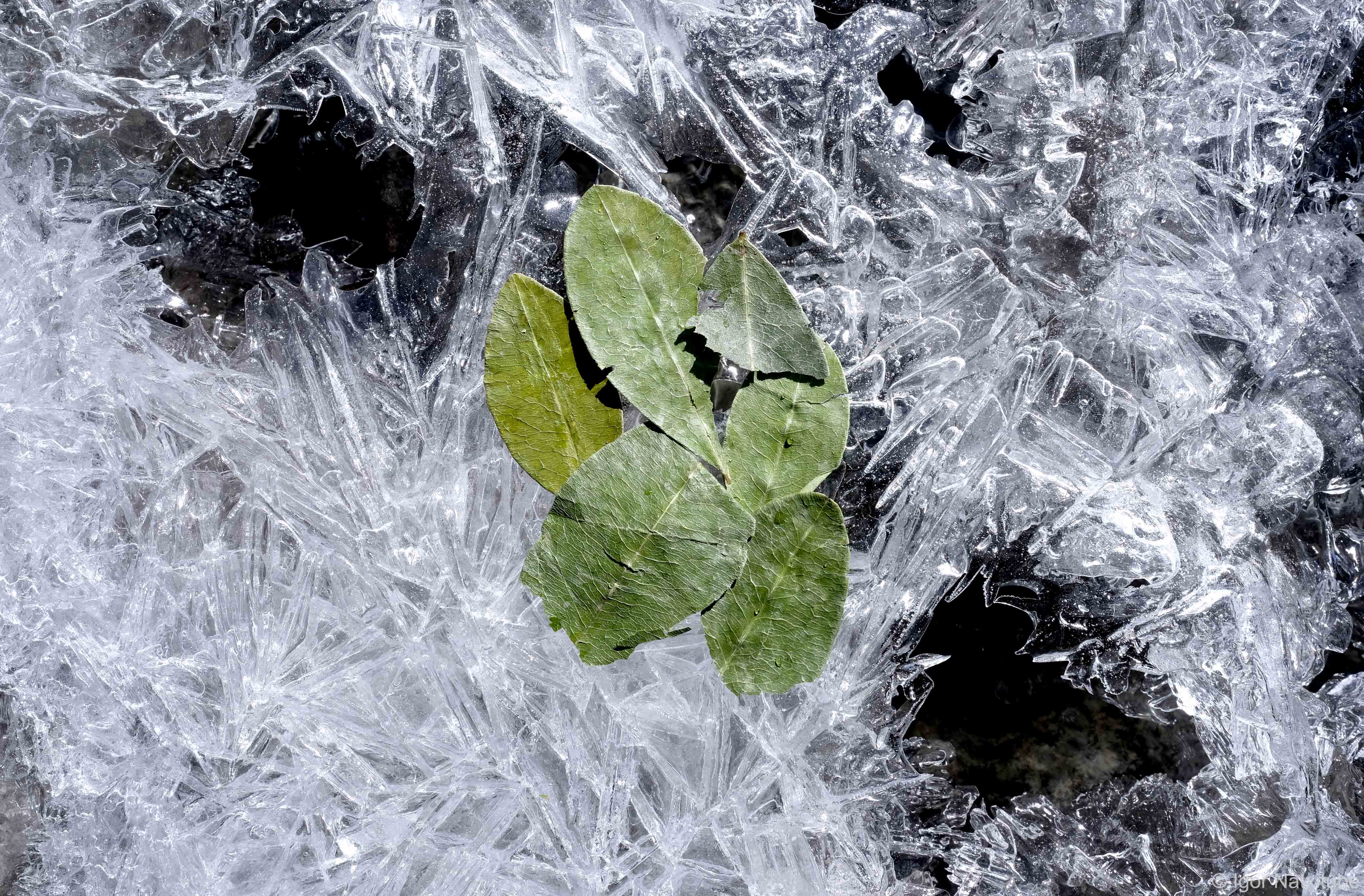
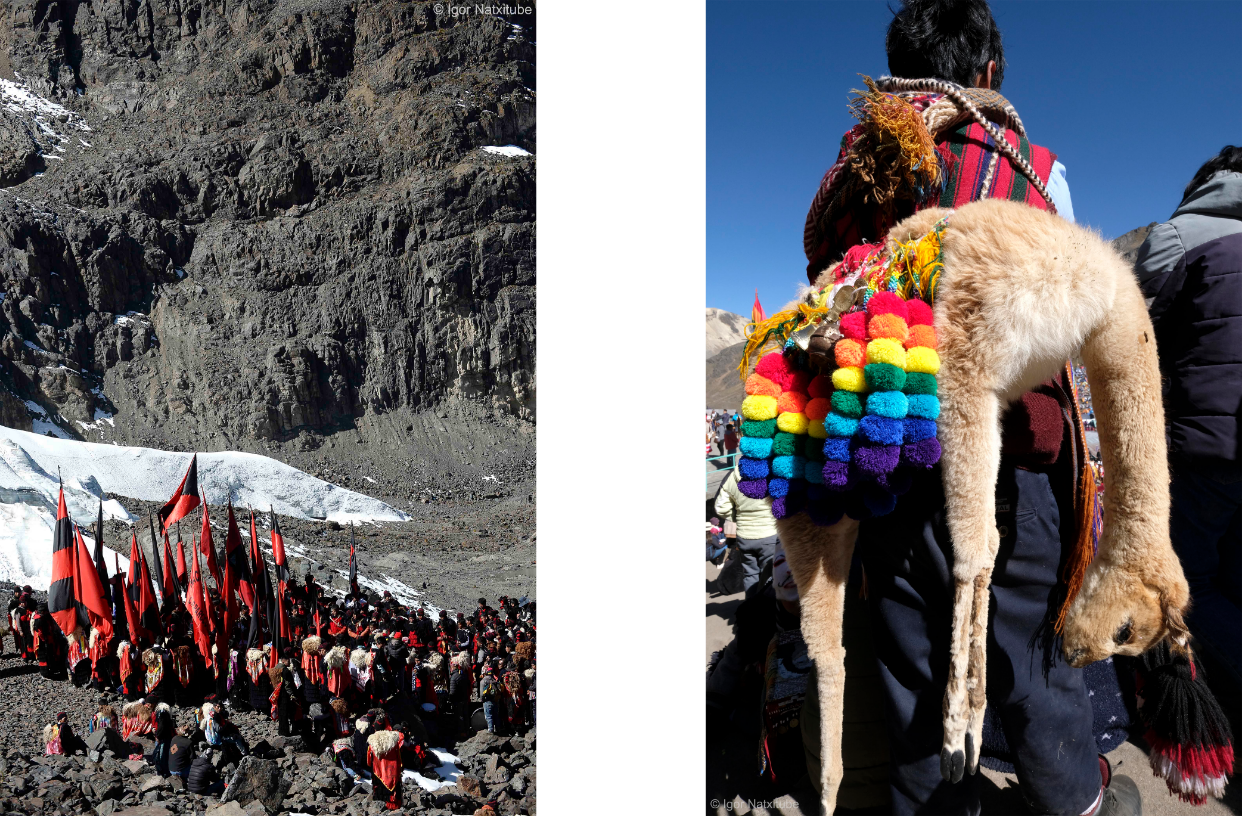
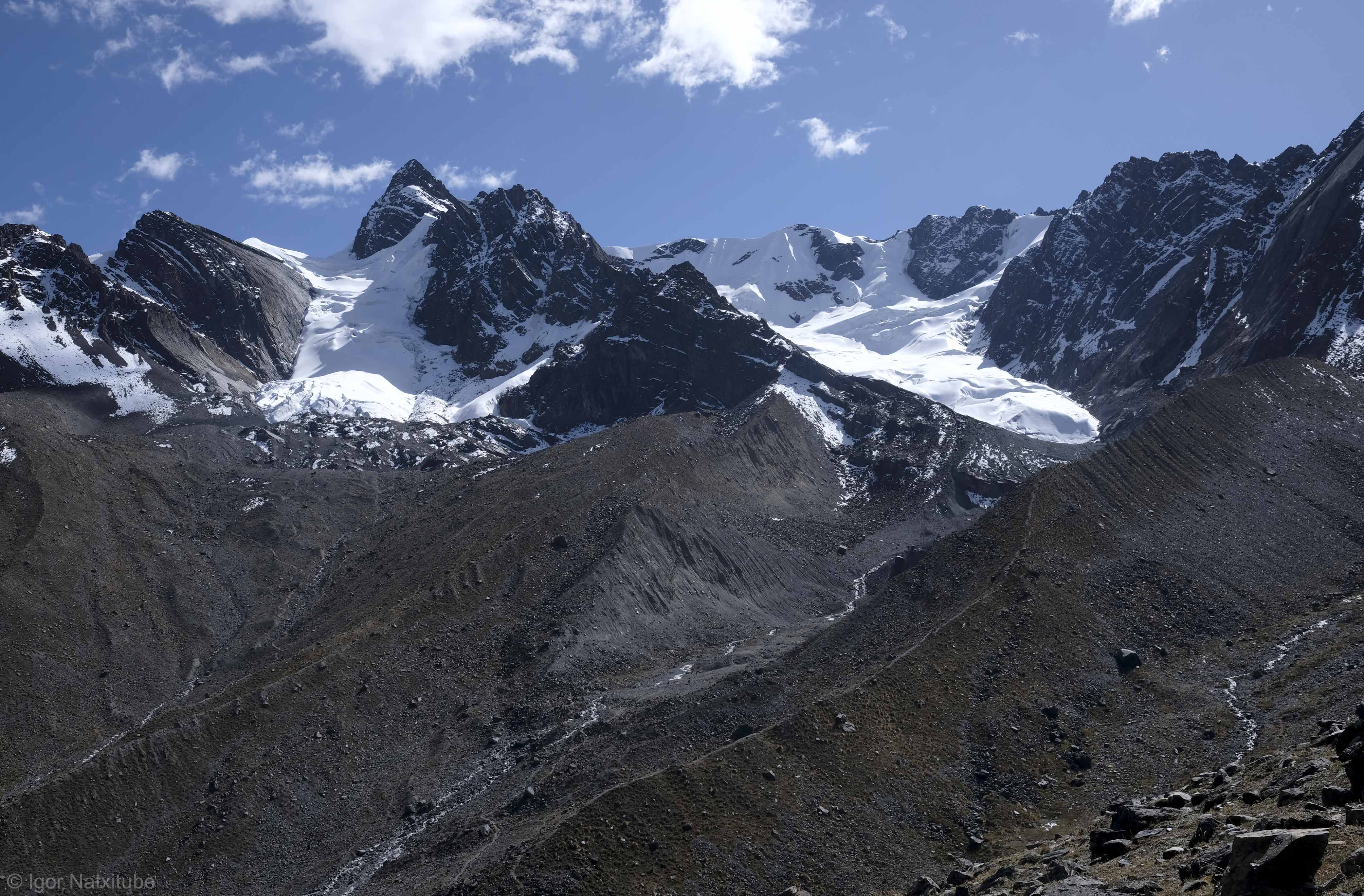
I dreamed of reliving the stimulating and fascinating images of Japanese photographer Kazuyoshi Nomachi but more than 20 years had passed. We are in 2023 and everything has changed on Planet Earth, habitats, traditions, many languages disappear and even life cycles have been modified by human beings themselves, accelerating a notable deterioration in multiple facets. When we arrive at the foot of the glacier, Fabián Condori Villagra, provincial foreman of the oldest of the eight existing nations, Paucartambo, tells me that the ice is no longer touched, that it is sacred and no one is allowed to approach it due to global warming and to the glacial retreat so marked in the last two decades