KUMBH MELA - INDIA
In the ancient sanskrit language, Kumbh Mela means, “festival of the pot, or vessel”. Hindu mythology states that thousands of years ago, gods and demons had a dispute over this vessel, who’s contents were “the nectar of immortality”, or “amrita”. That celestial battle lasted 12 days, which equals 12 earth years, during which blood was spilled over four sacred spots; the cities of Allahabad (Prayagraj), Haridwar, Ujjain and Nashik.
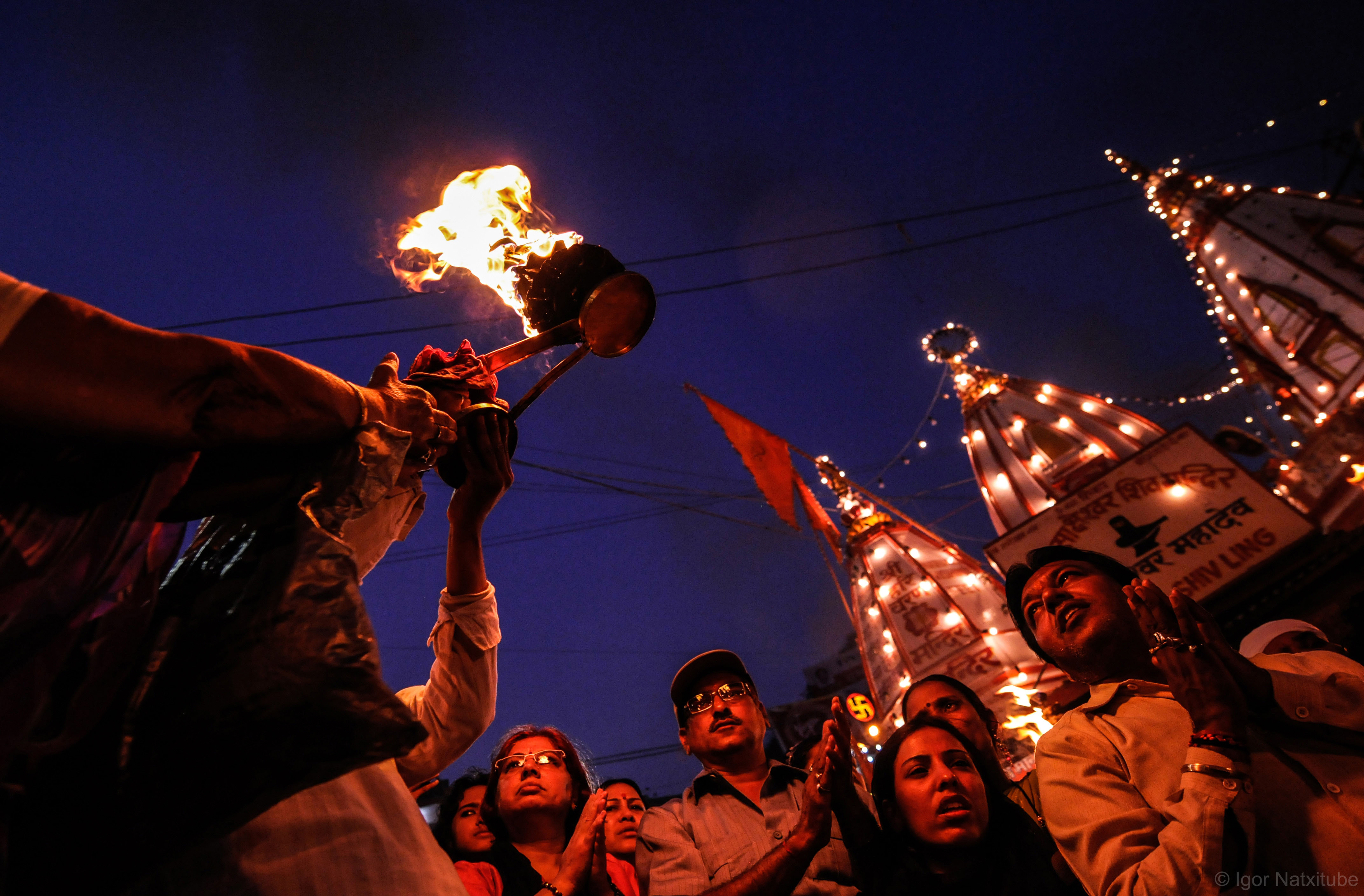
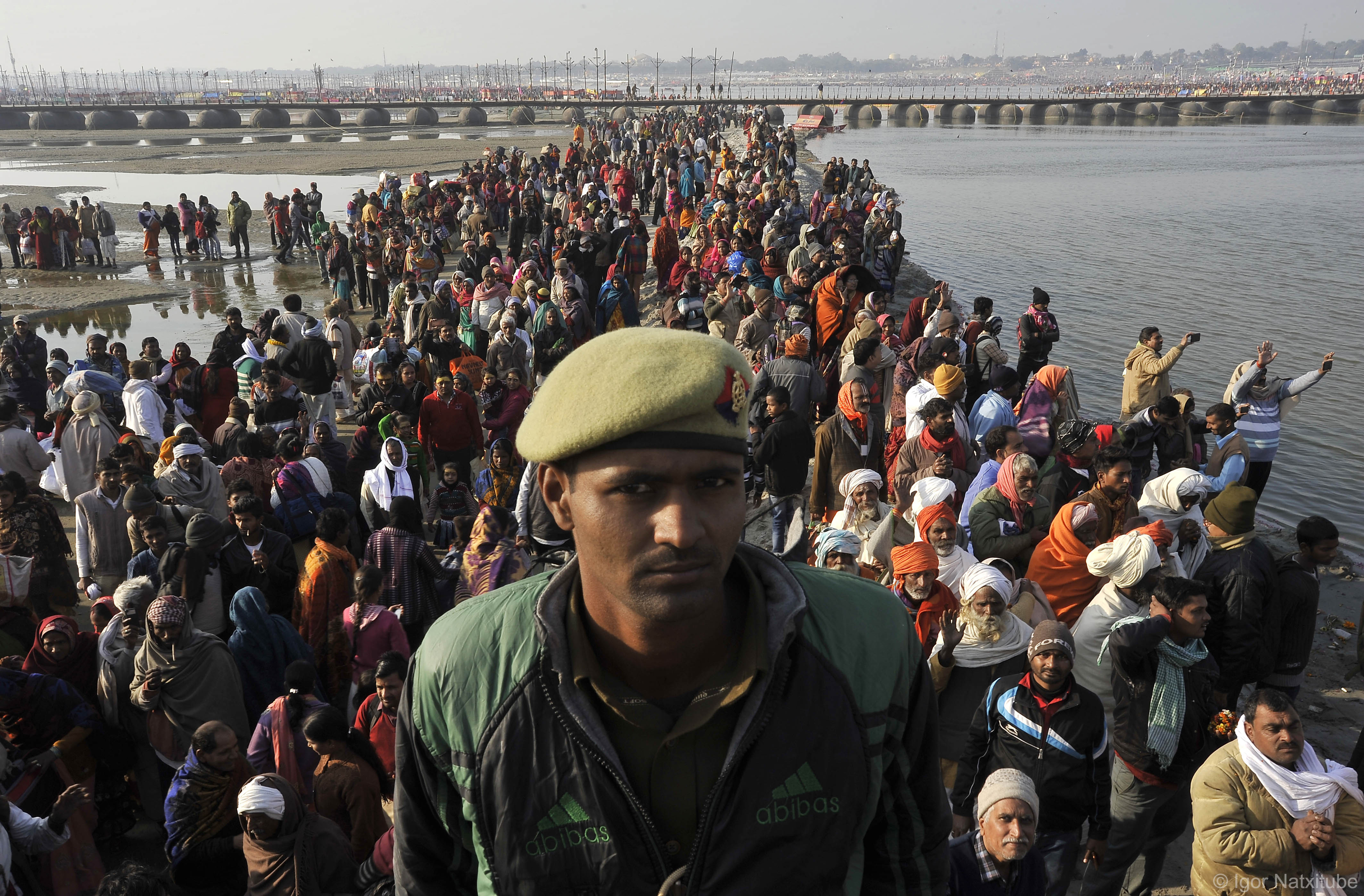
Every twelve years the largest pilgrimage in the world takes place. It is known as the Maha Kumbh Mela. Millions of devotees, penitents, hermits, sadhus, yogis, and gurus from all over India attend, as well as hindus from all corners of the planet. In addition to the Maha KM, there is also the Ardh KM, which is celebrated every six years. And corresponds to the half vessel festival, marking the halfway point of the period.
During the year 2013 (Prayagraj), the last Maha Kumbh Mela took place, attended by 100 million people during its 44-day duration.
The actual dates of the Kumbh Mela are determined by the hindu calendar and coincide with astrological events, when the sun enters the Aries constellation and Jupiter enters Aquarius.
The epicenter of the Kumbh Mela is known as Sangam, and it is the sacred point at which three sacred rivers converge; the Yamuna, the Ganges and the mythical and invisible River Saraswati (Holi city of Prayagraj).
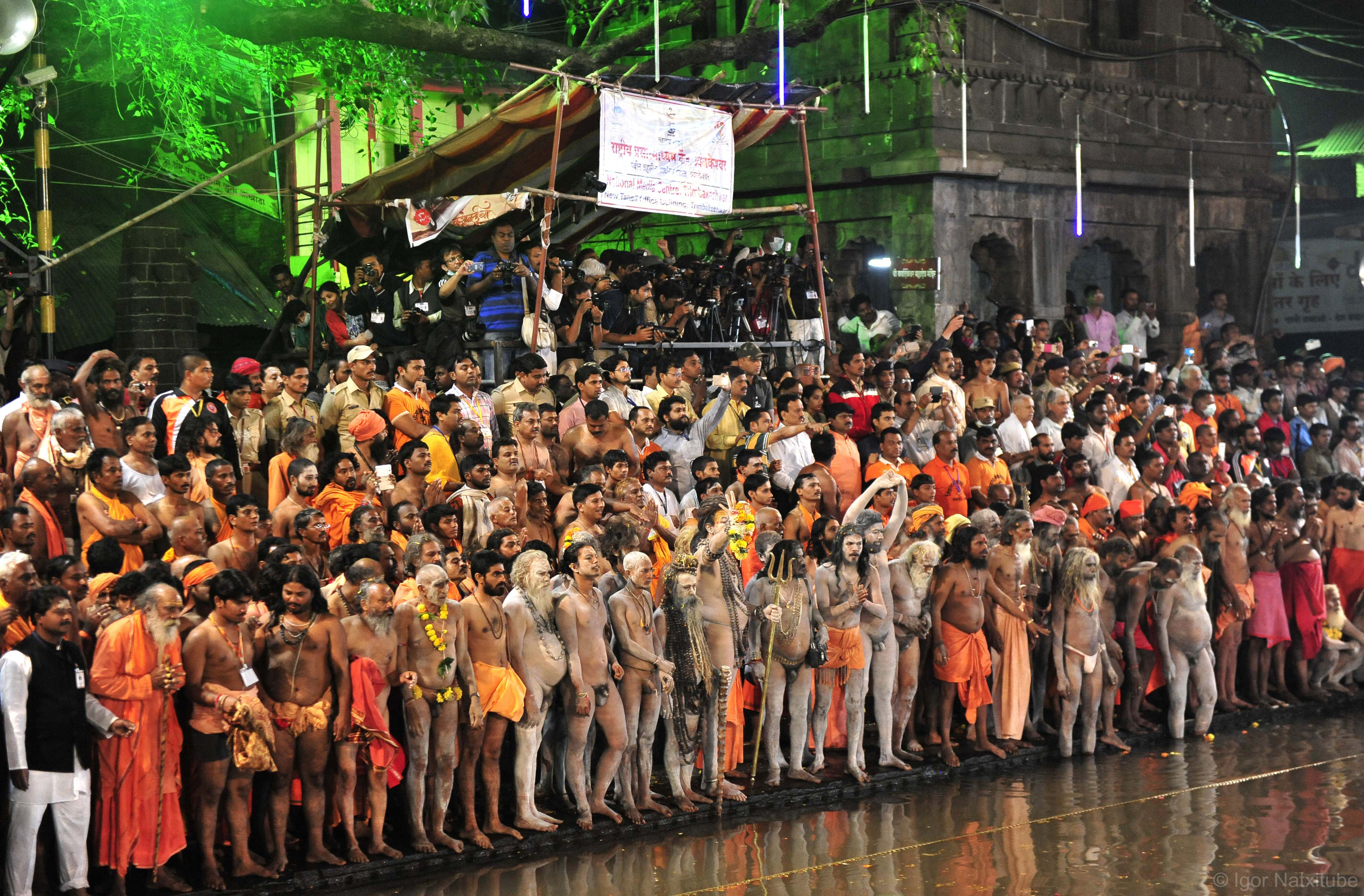
That is where the rituals of immersion and purification of sins is realized. During the course of six weeks, millions of hindus of all casts, social status and sects will arrive. Widows, students, business men, farmers, shopkeepers, with a common goal; to completely submerge themselves in the waters of the holy rivers to cleanse off their sins, and that of 88 future generations. It is a major healing.
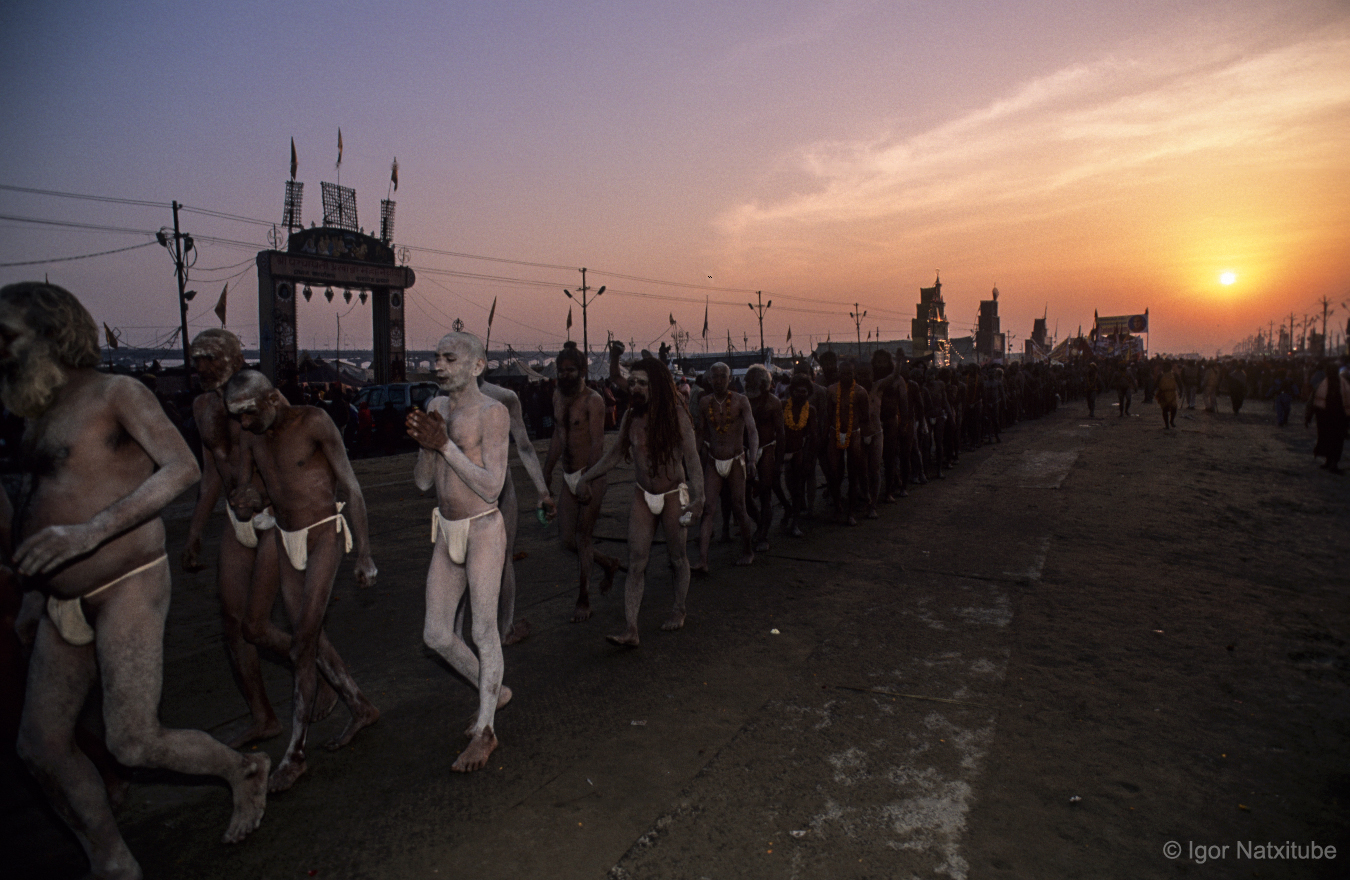
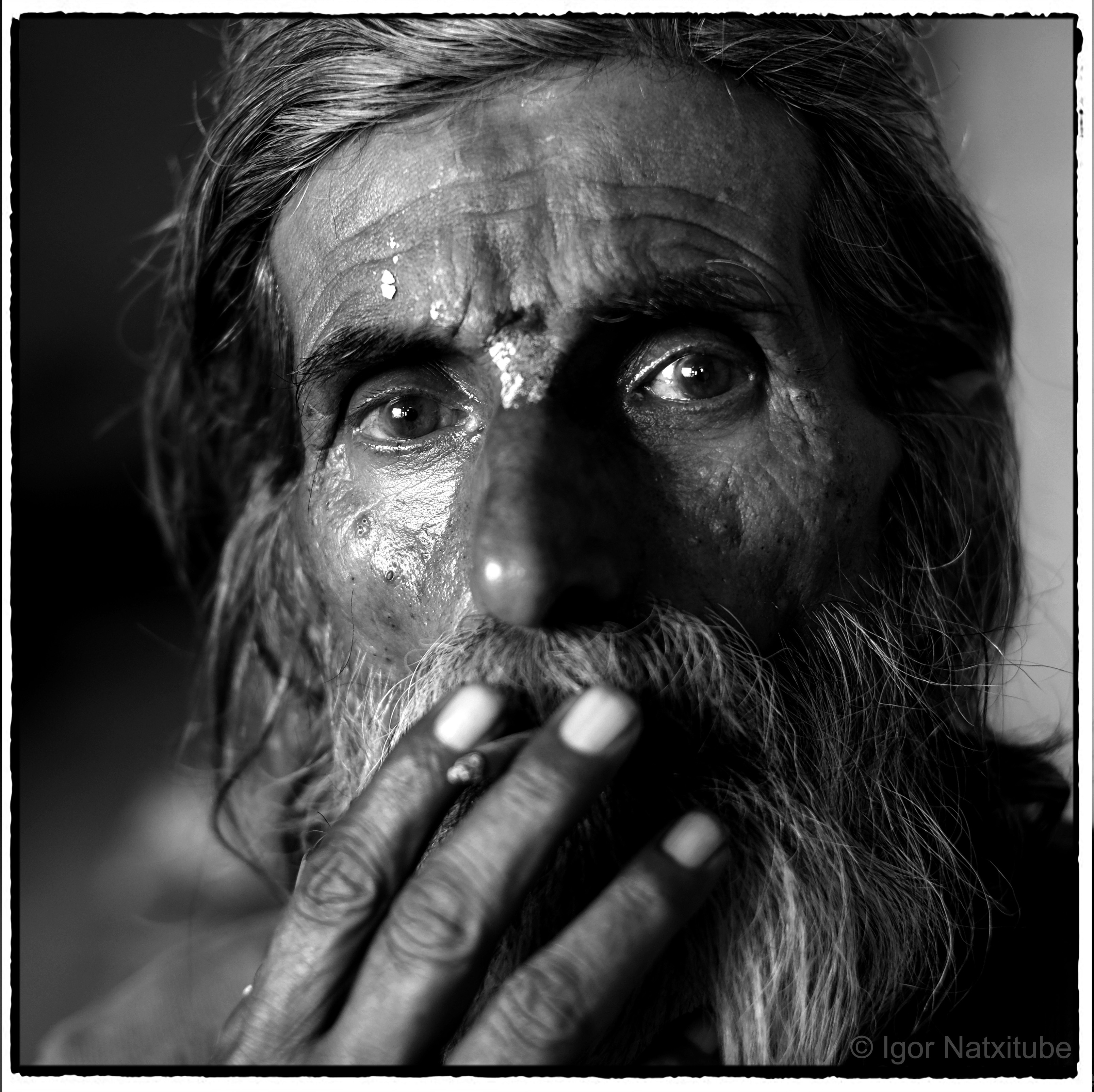
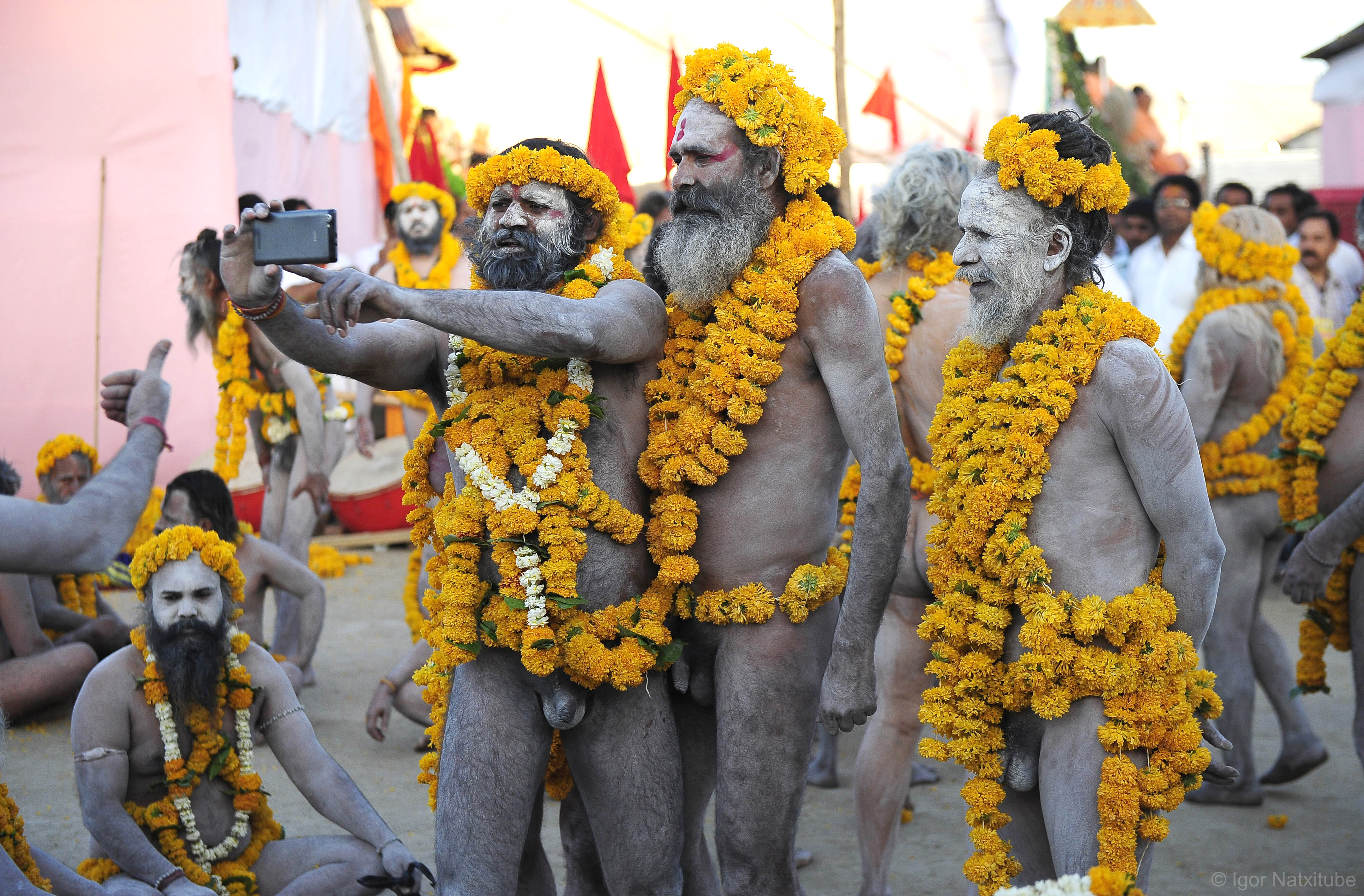
But the true protagonists of this human flood are the sadhus, or hindu ascetics. They symbolize India’s spiritual culture. Long ago they renounced all material belongings, and cut their family ties to dedicate themselves to meditation in complete austerity. The most radical of them live in isolated places like caves, forests or locations close to the Himalayan Range. They enjoy the approval, admiration and respect of the indian people. They survive from charity and can commonly be seen begging at homes and businesses. Within their world, they may belong to different guilds, sects, or akharas, depending on their choice. Within the orders there are well defined hierarchies, from the initiation of a novice sadhu to the masters or gurus. Despite their differences, the final objective a sadhu is to reach a state of enlightenment.