
LLAMEROS OF SALT - BOLIVIA
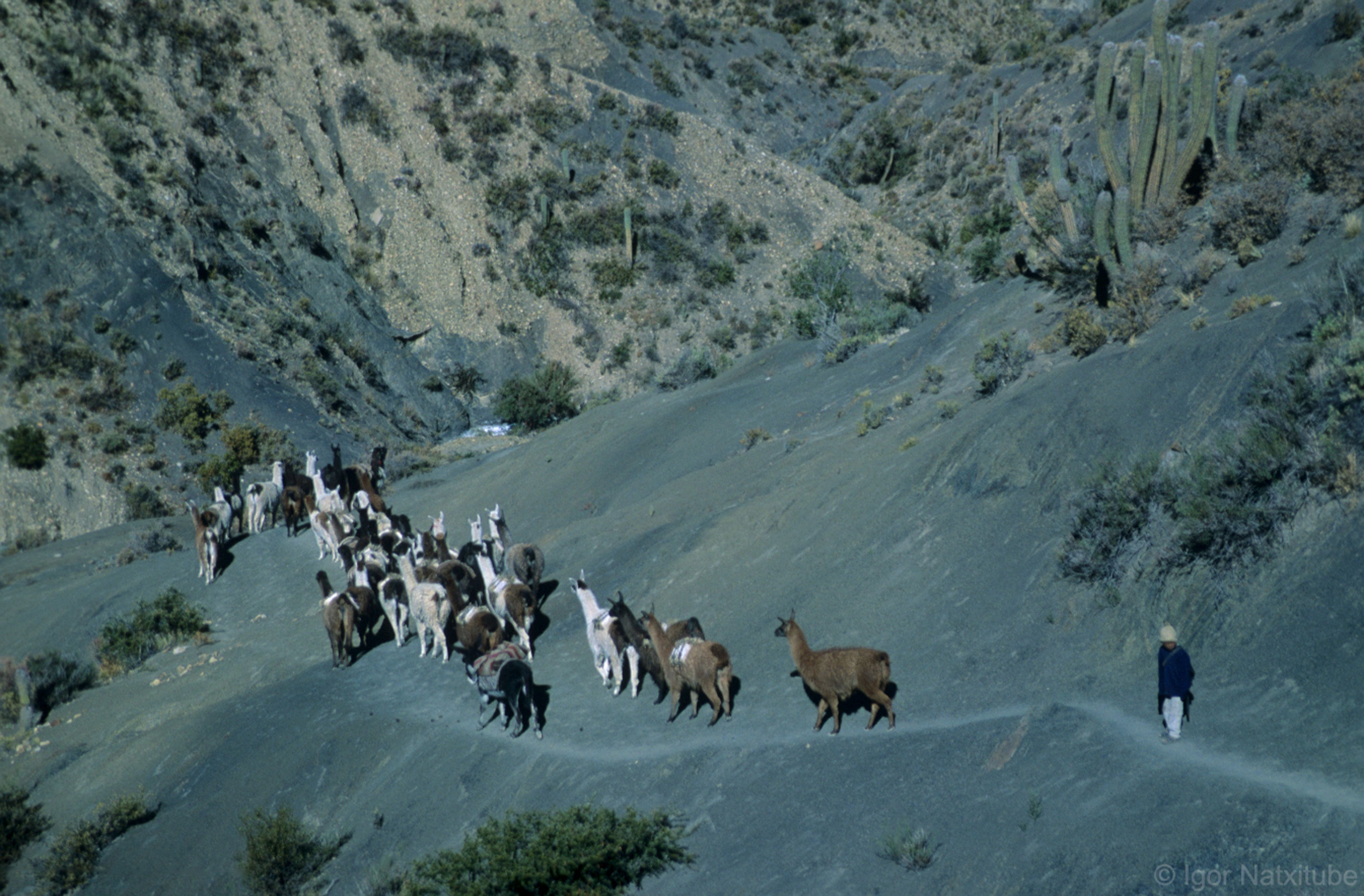
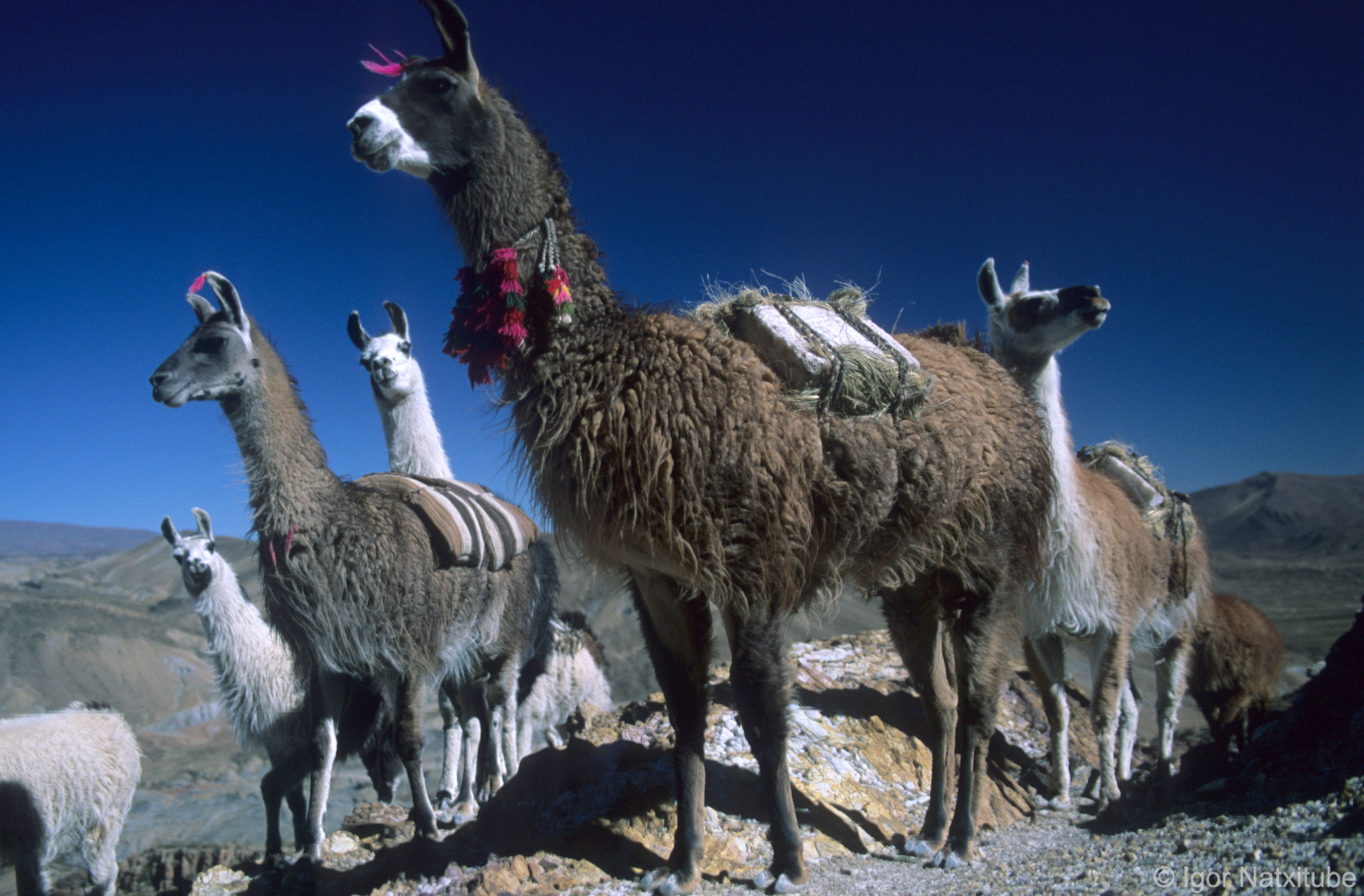
Seriously threatened due to the development of new roads and progress, the caravans of llamas may disappear. We are referring to the salt and corn exchange which has been happening since the old ages. The salt from the Andean salt mines is the main target to exchange.
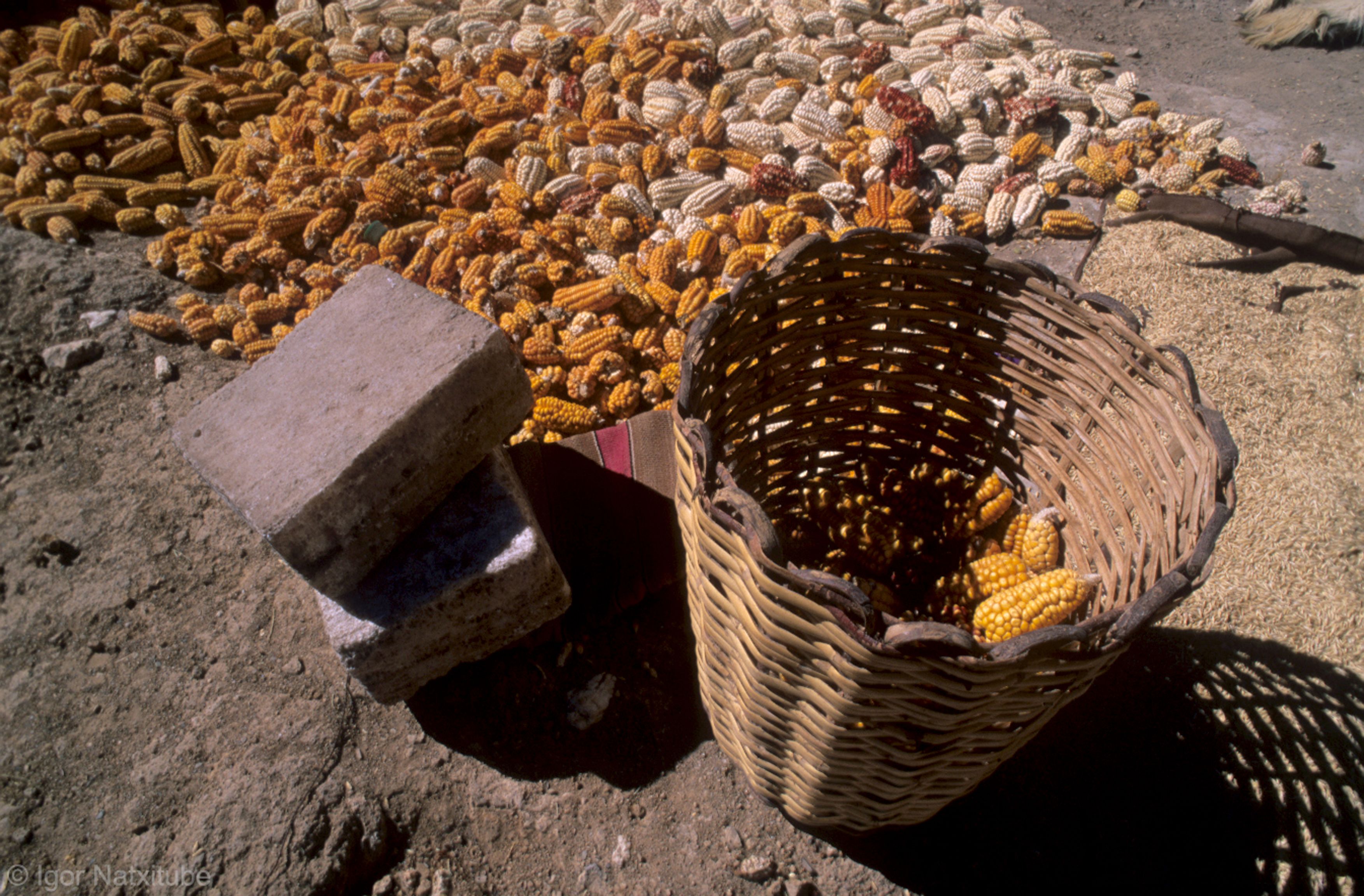
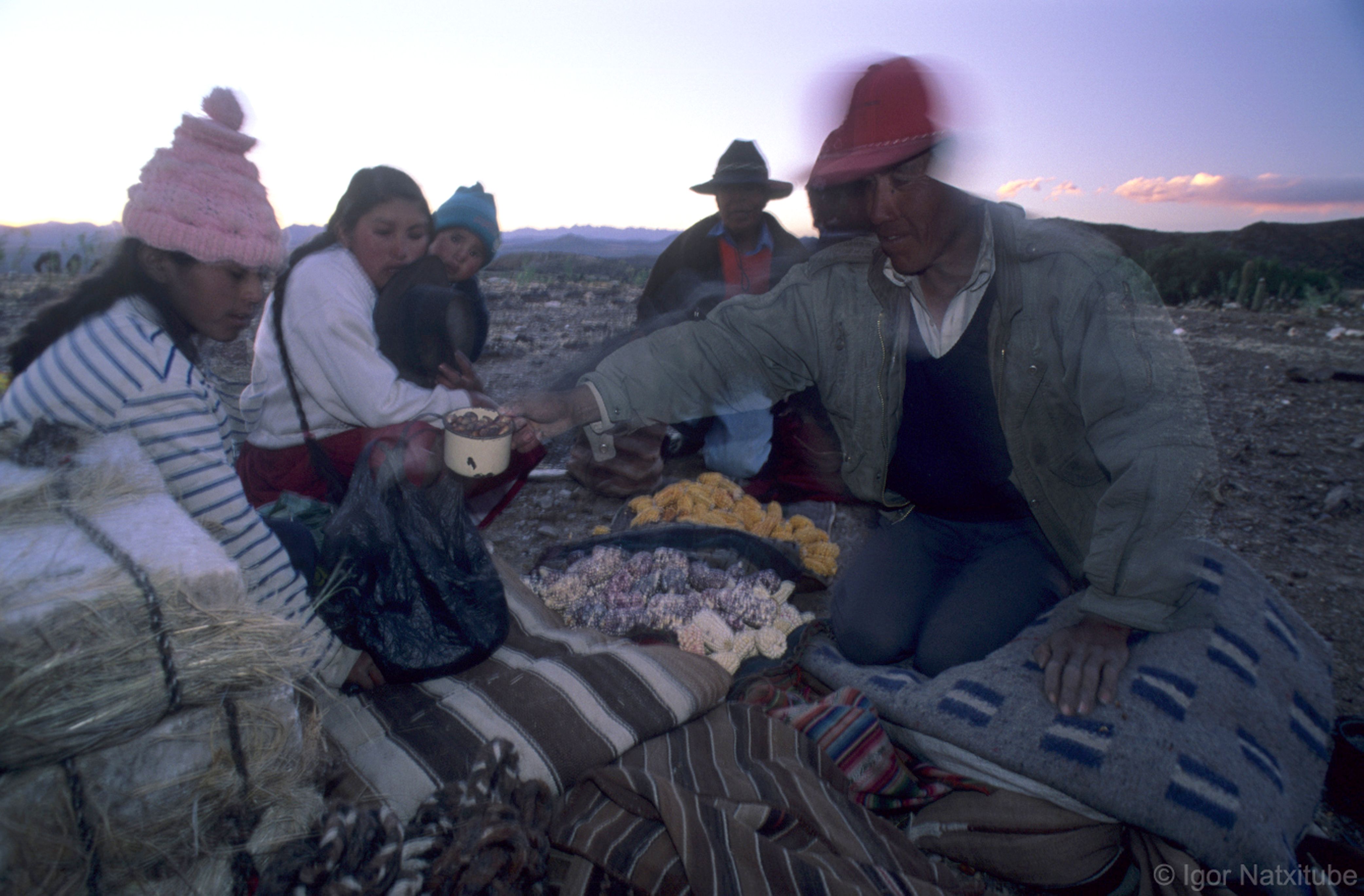
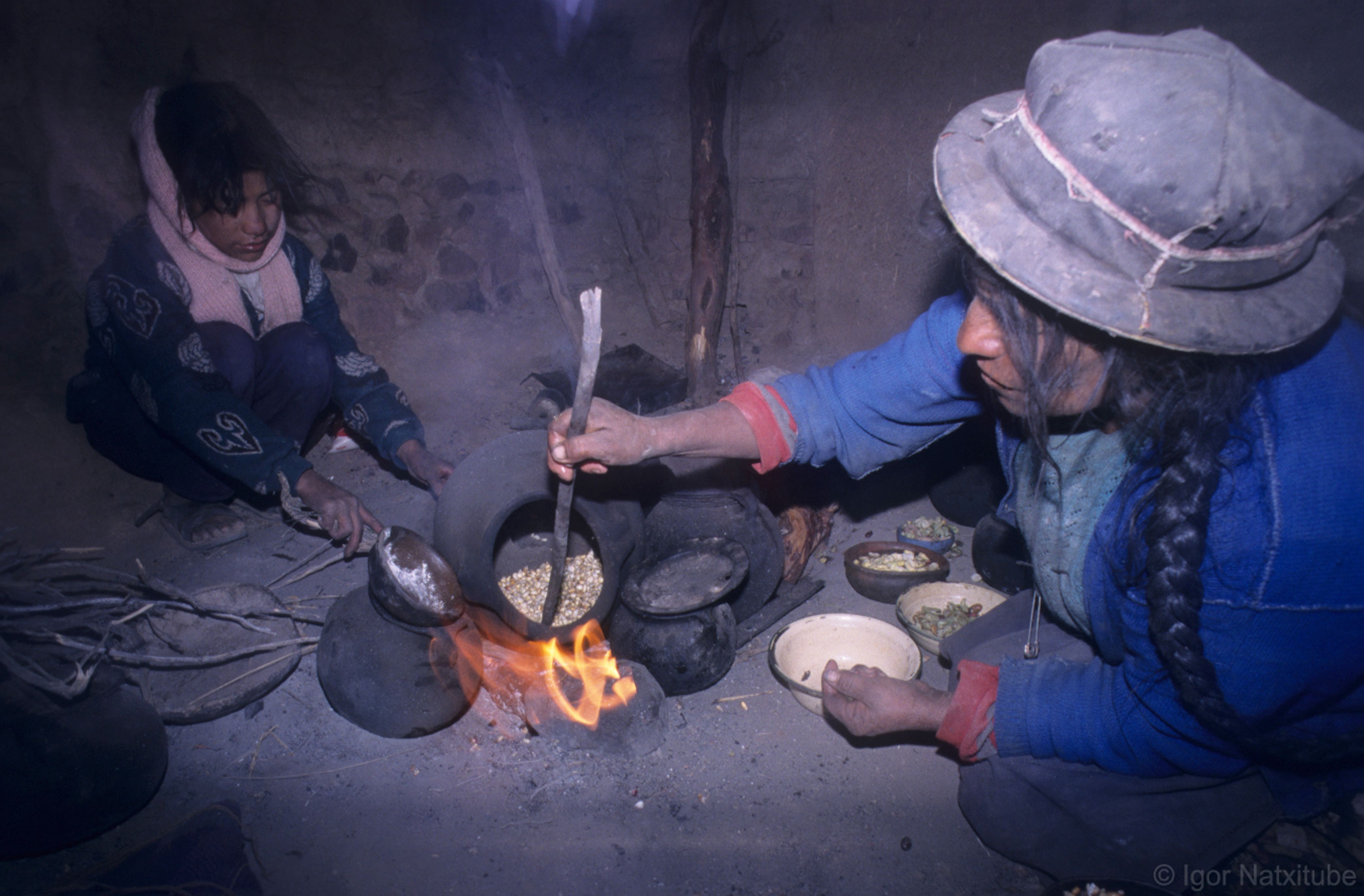
In the warm valleys, the salt is needed for feeding either humans or livestock. On the other hand, the valleys corn is the most valued product for the caravan’s people because corn is fundamental for their family diet.
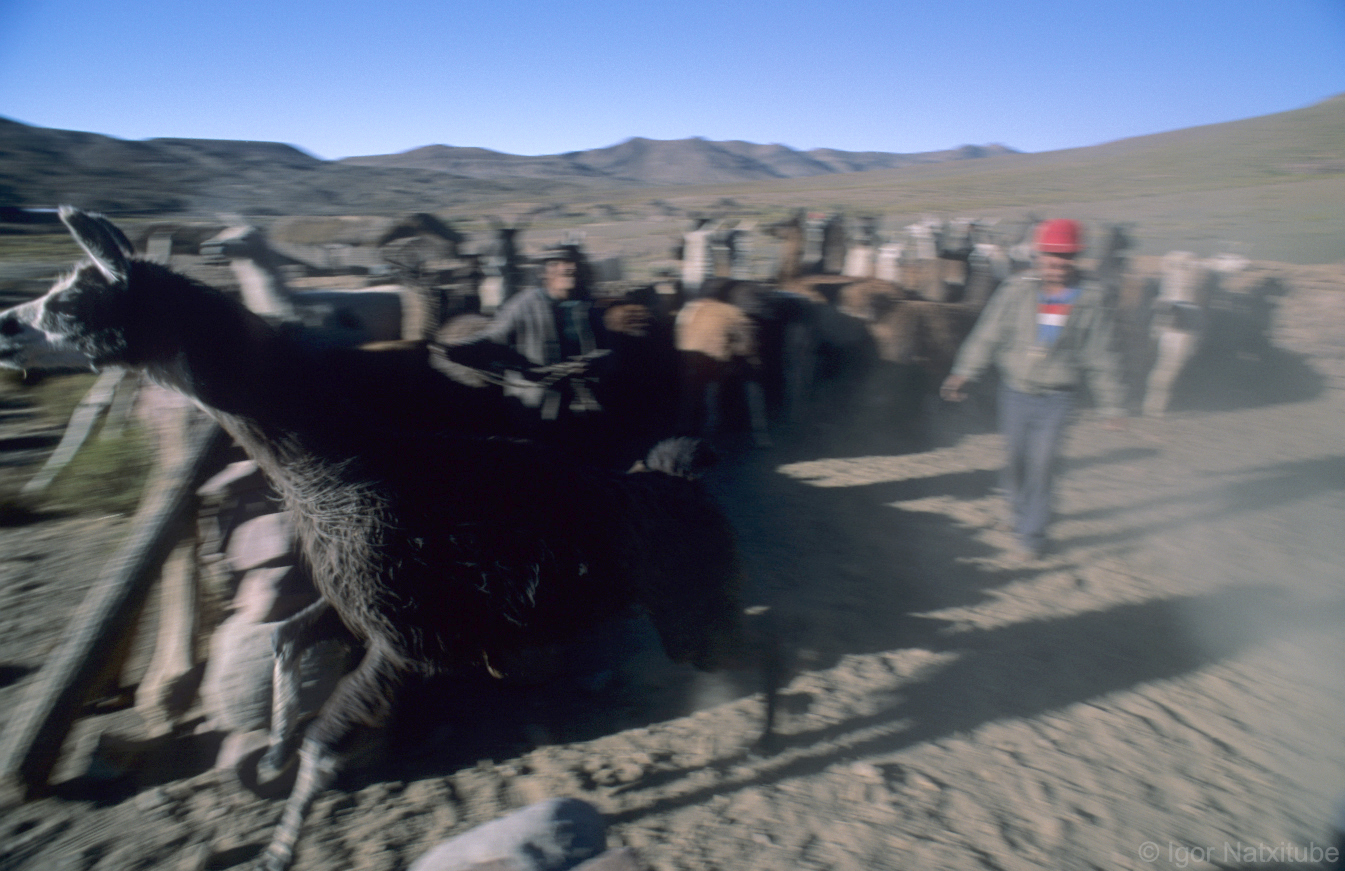
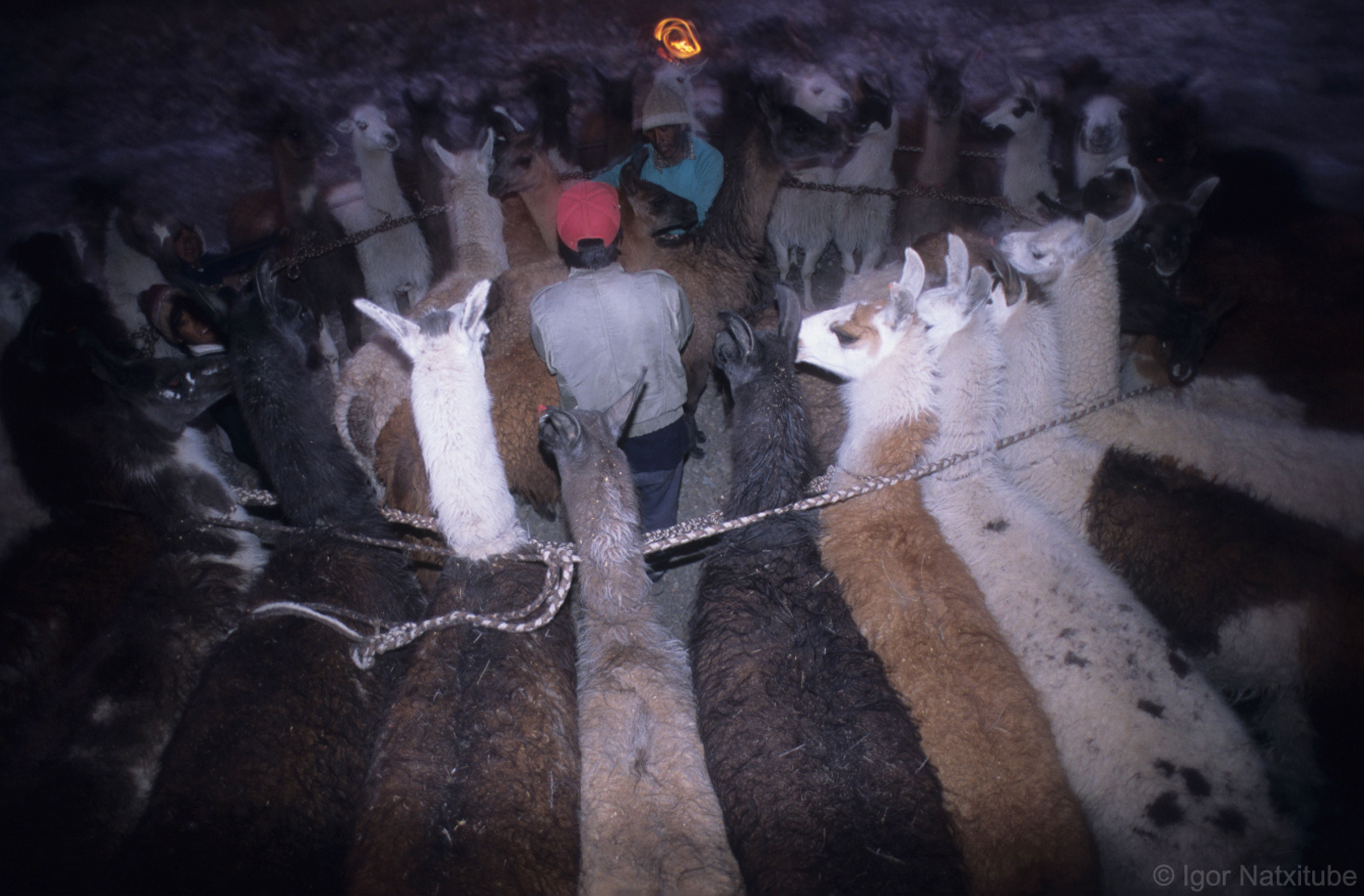
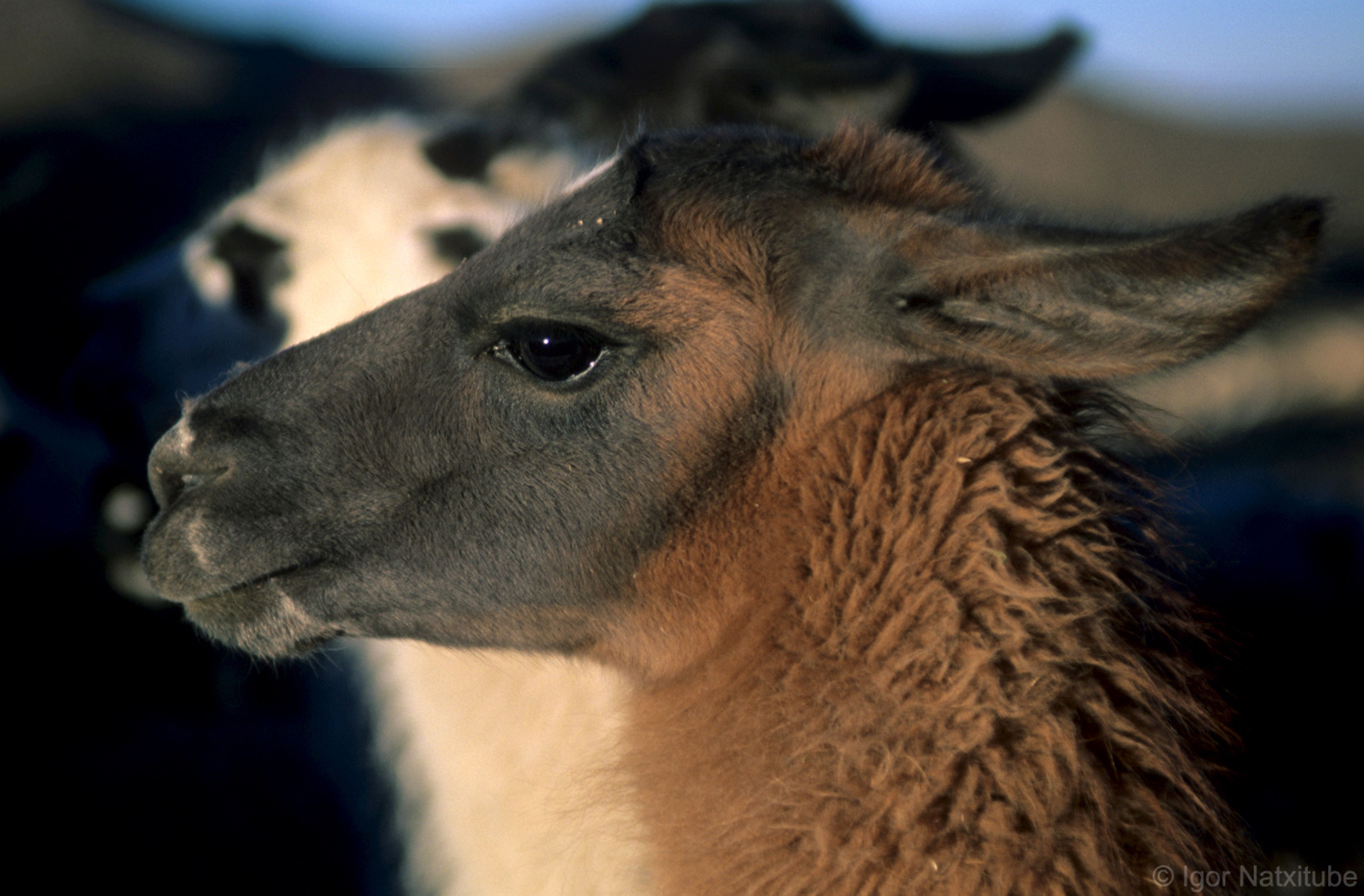
The caravans are travelling during the months of may and august. This period of time is when crops and the rainy season finish. The journey is led by the family’s chief and relatives. During short trips the caravans are composed by groups of 15 llamas, however for long trips which last 2-3 weeks, are usually composed between 40 and 100 camelids. In the north antiplano the llamas are used to carry between 12 and 20 kgs. of salt blocks.
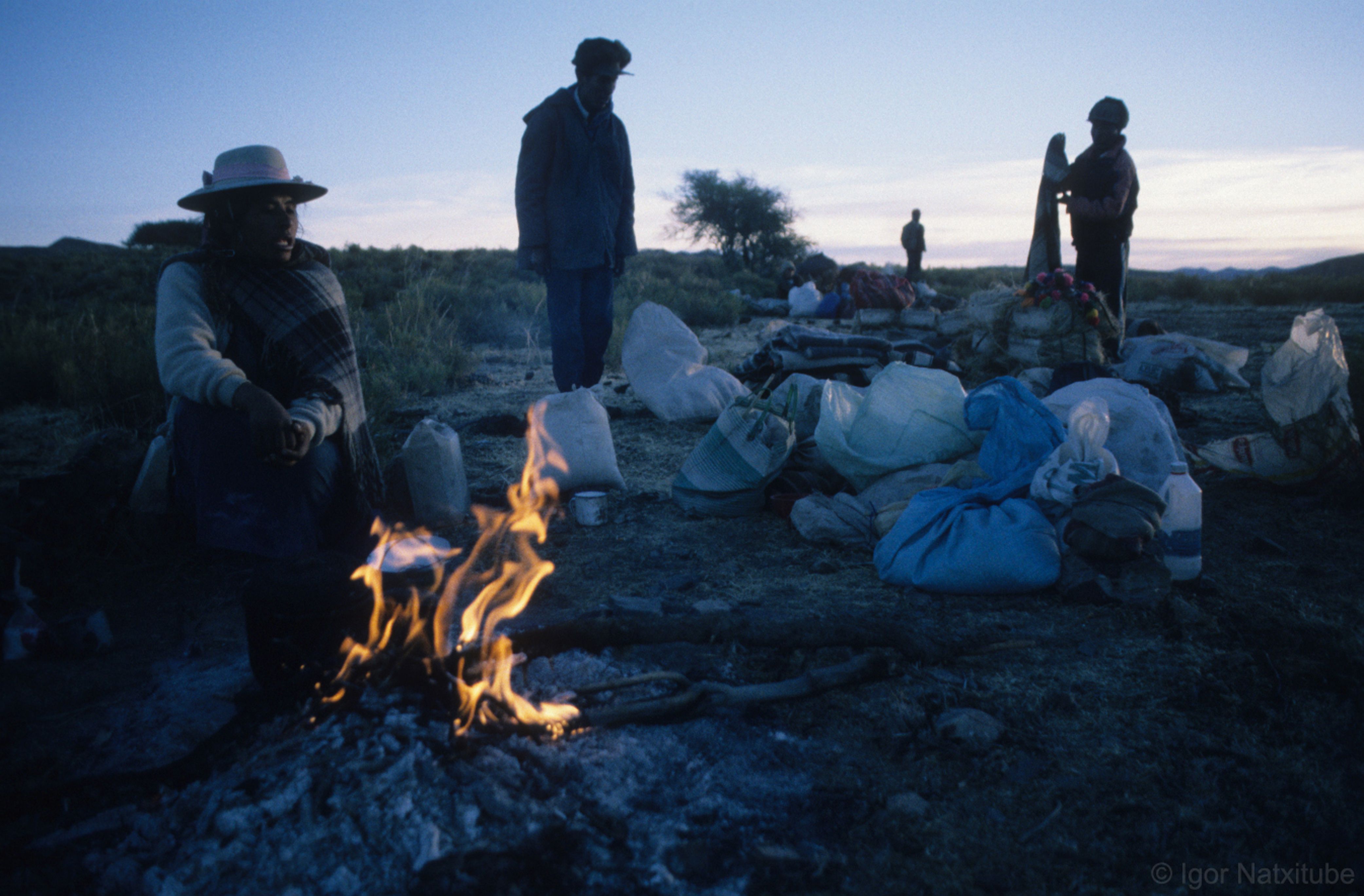
The journey’s days range between 6 and 8 hours with an average of 20 kilometers gone per day. The camps are set up depending on the stock of forage and water. The resting places have been well known for ages. Besides llamas, they used to carry donkeys as load animals to carry tools which are needed for the crossing: blankets, cooking tools, barrels…
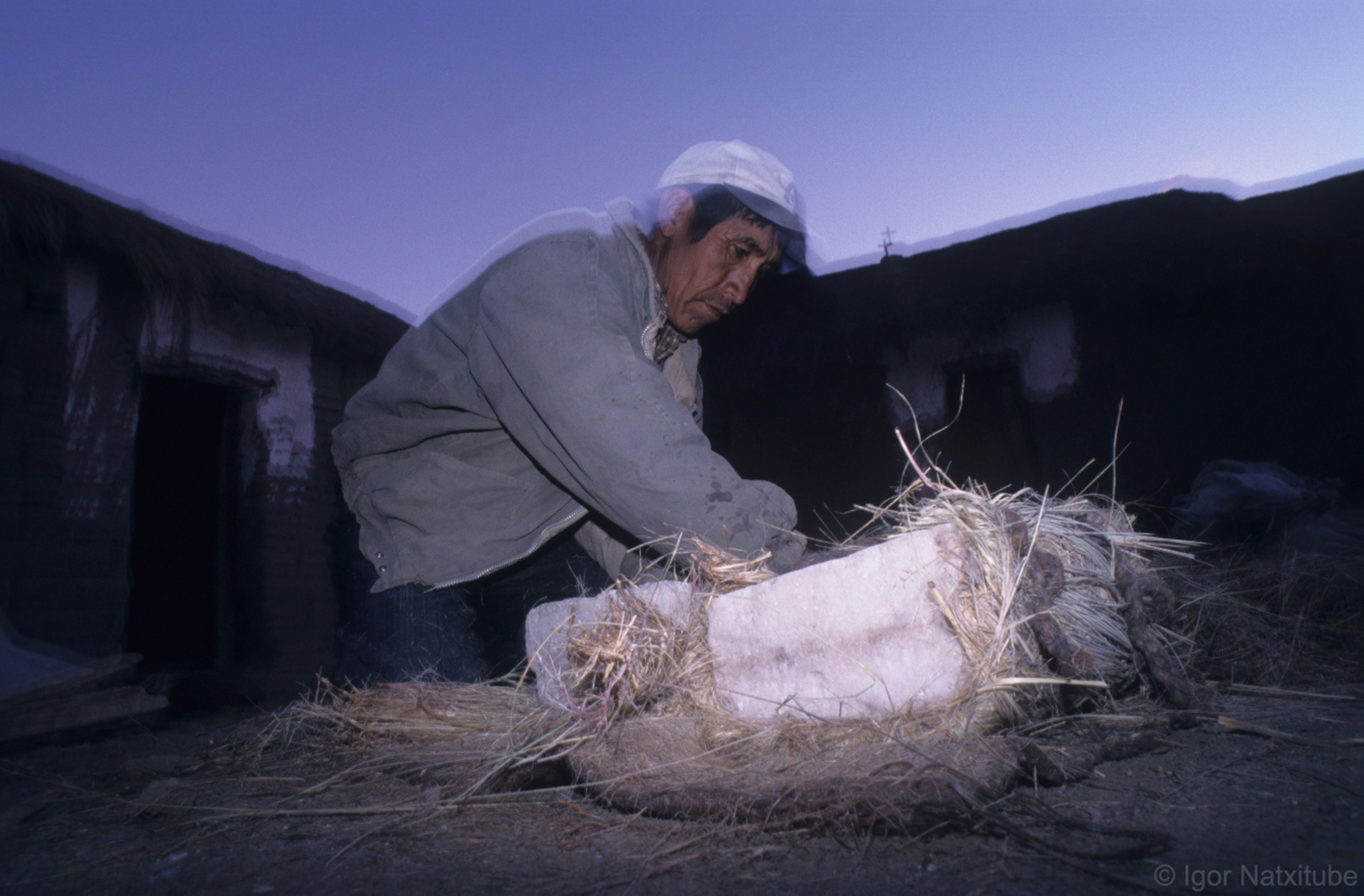
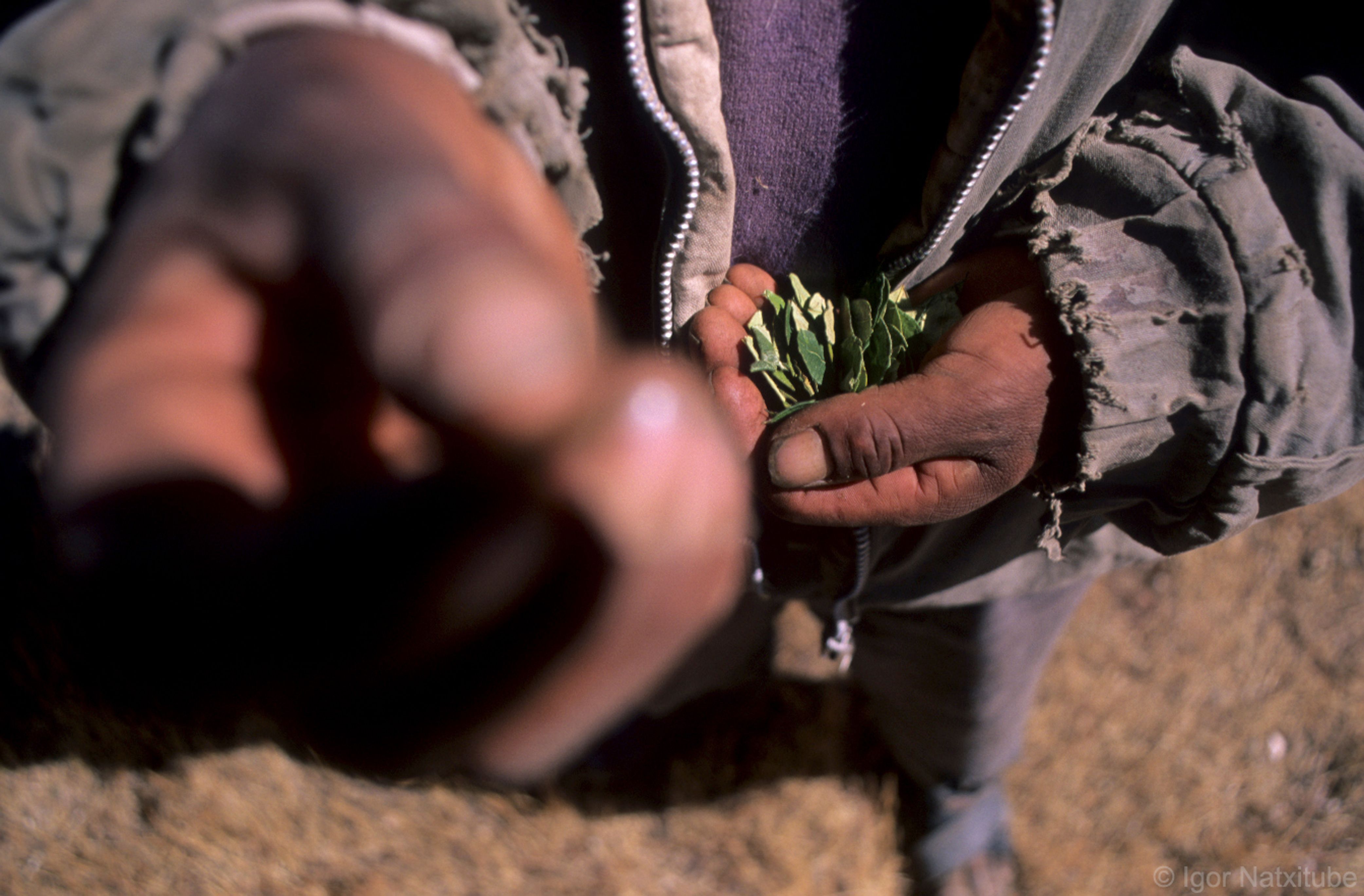
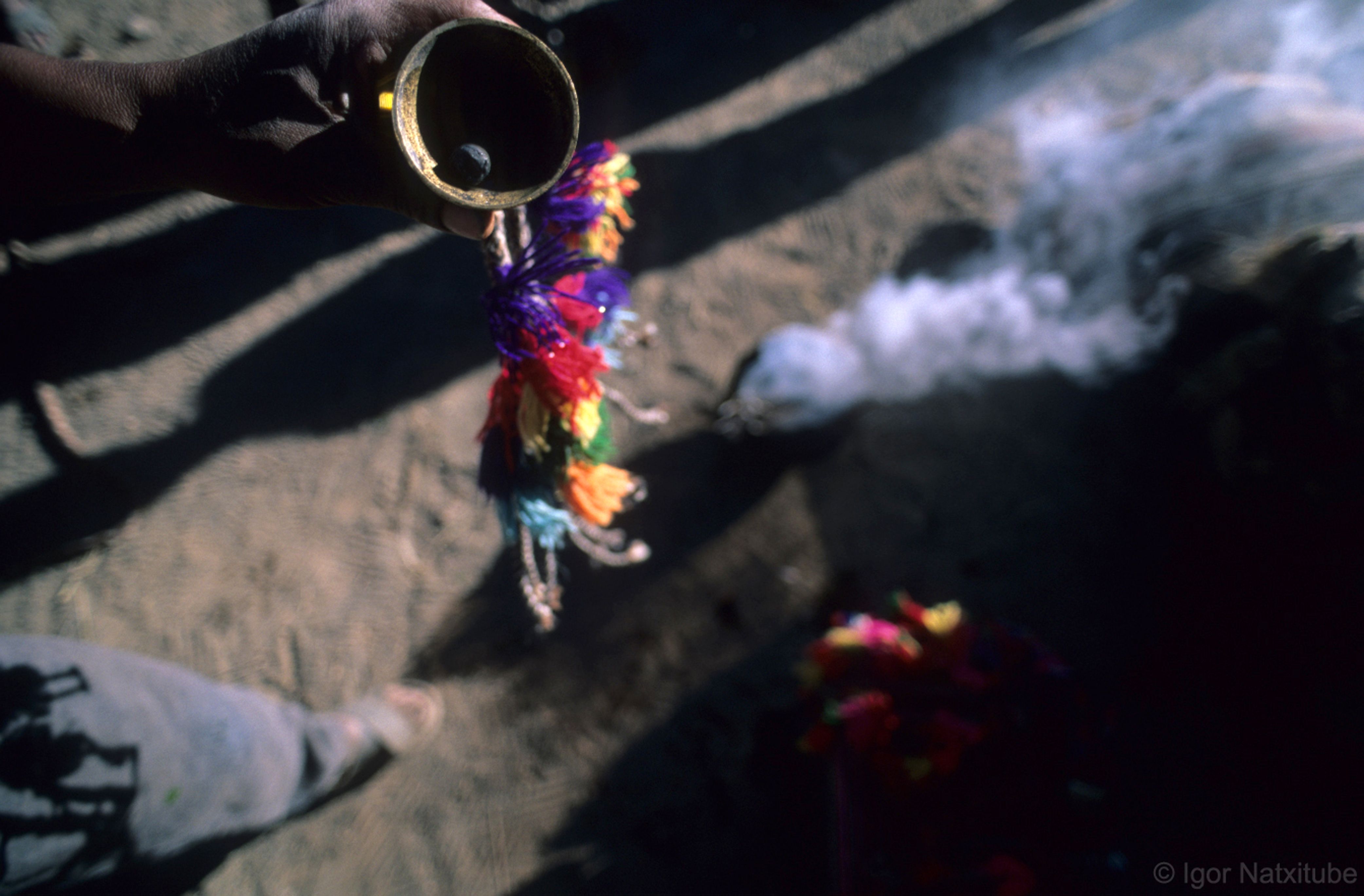
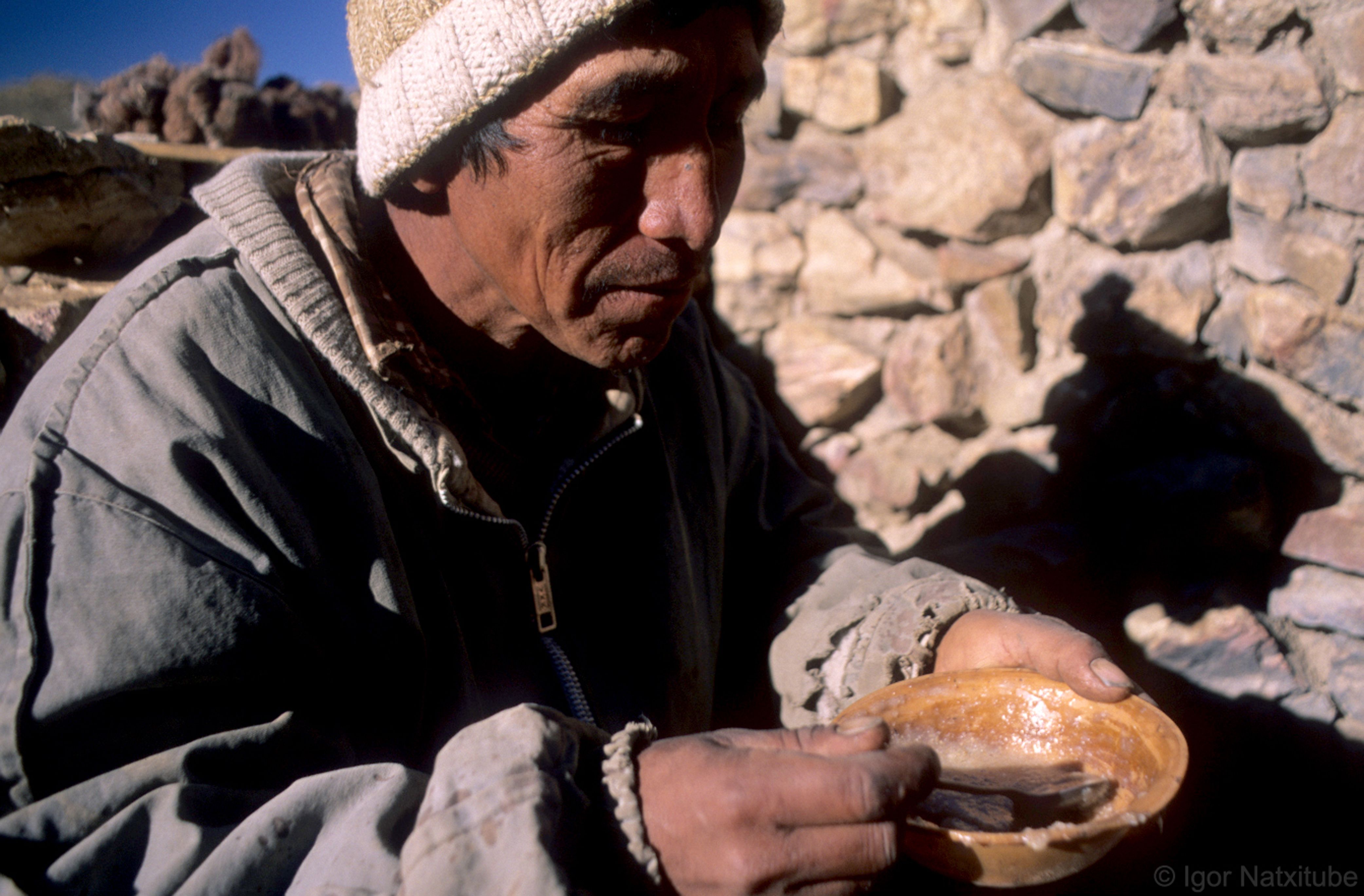
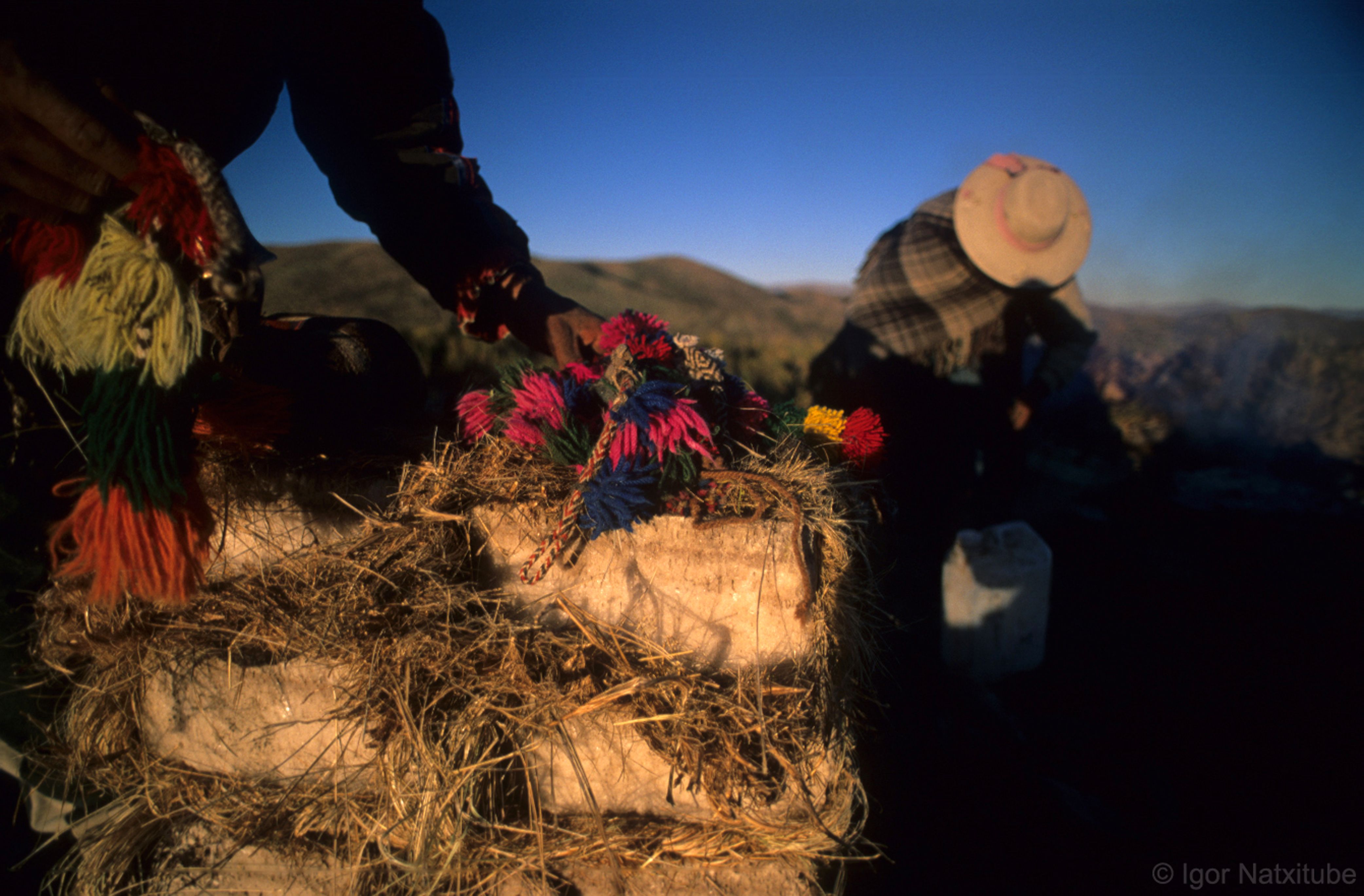
The departure day is considered as a party where coca leafs and alcohol are offered to Pachamama or Mother Earth as a present. The animals which have been chosen for the travel are blessed with alcohol. The “chilincas” or small bells are placed on the neck of the males which lead the herd. The salt bread is wrapped with straw in order to protect the animals’ backs. The caravans seem a procession for the first kilometres as they are accompanied by neighbours and relatives from the village.