
CHIPAYA INDIANS - BOLIVIA
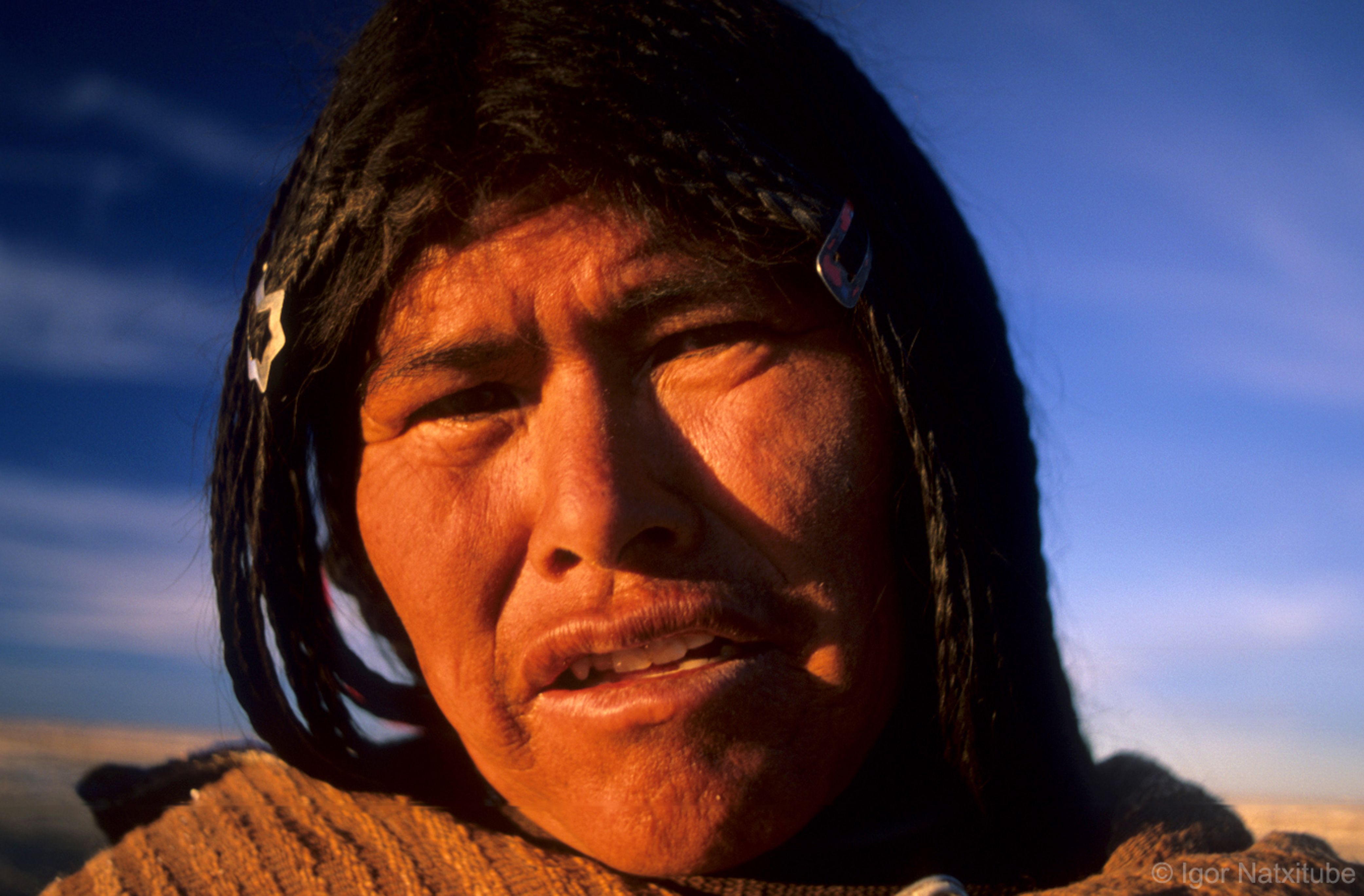
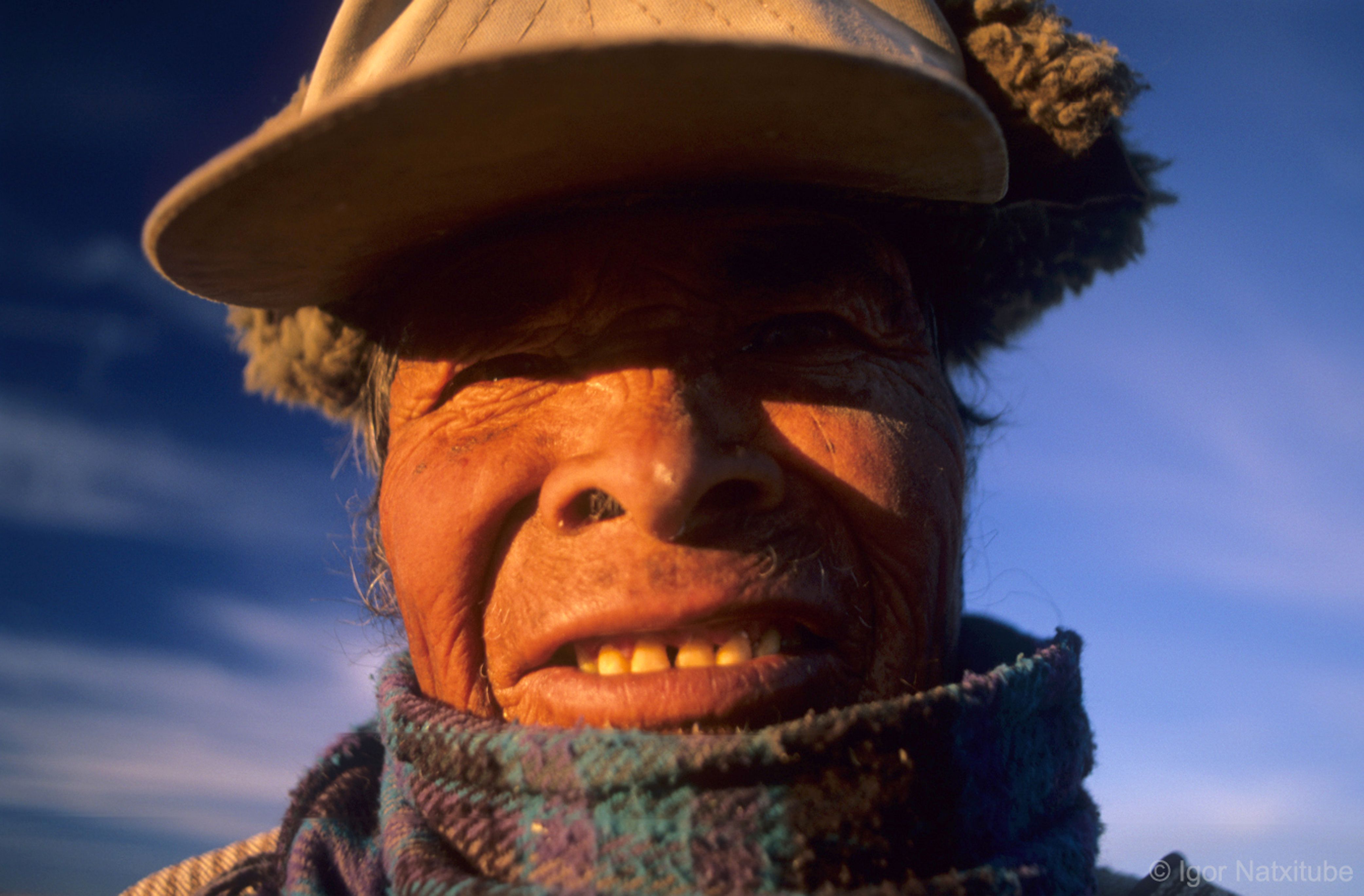
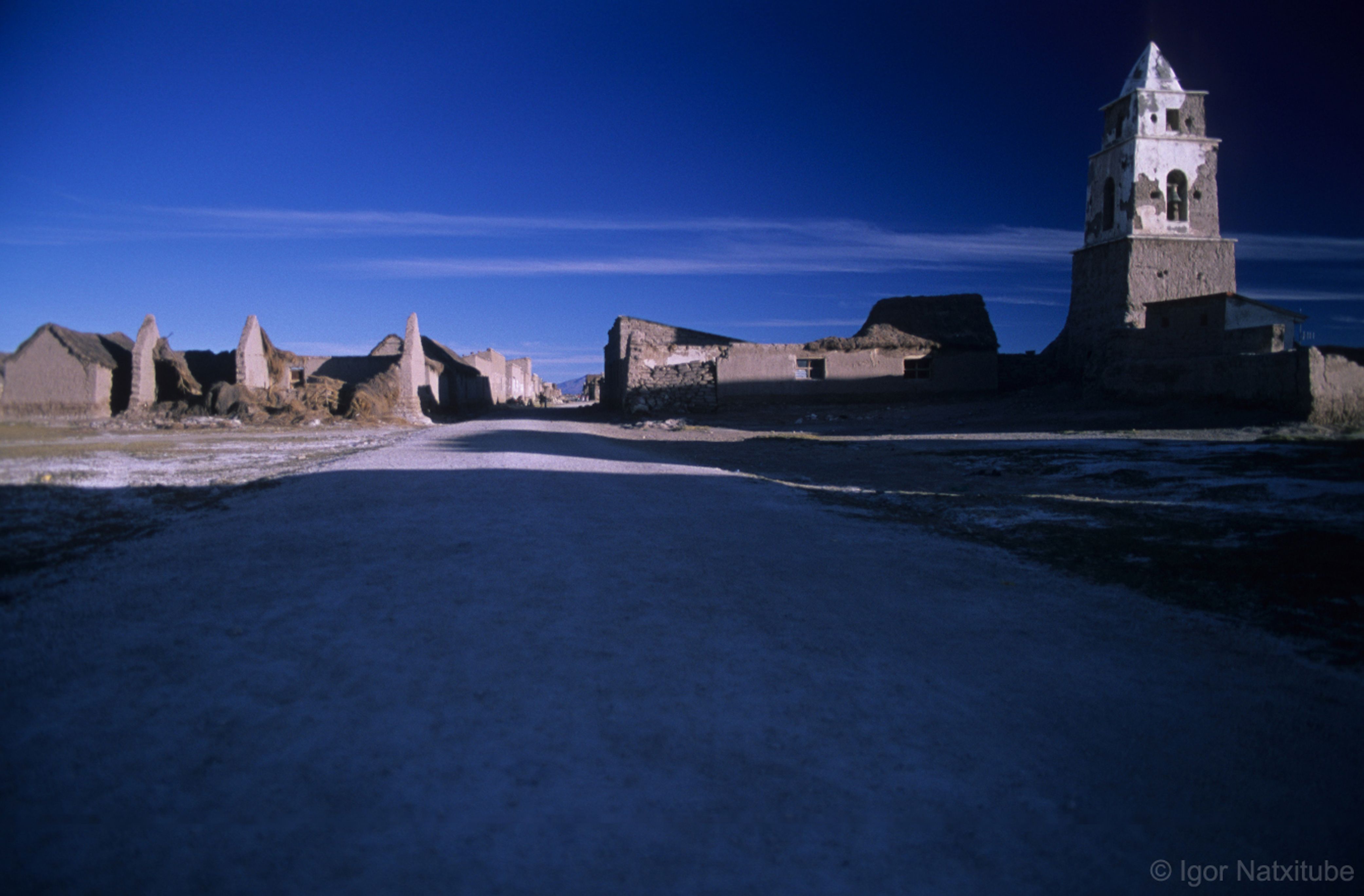
The Nation of the Uru-Chipaya is located in the Atahuallpa province, of the Oruro Department, in south-western Bolivia. These 441 sterile and isolated square kilometers have enabled them to maintain many of their ancient customs, their pukina or chipaya language, costumes, hair-dues, religion, and more.
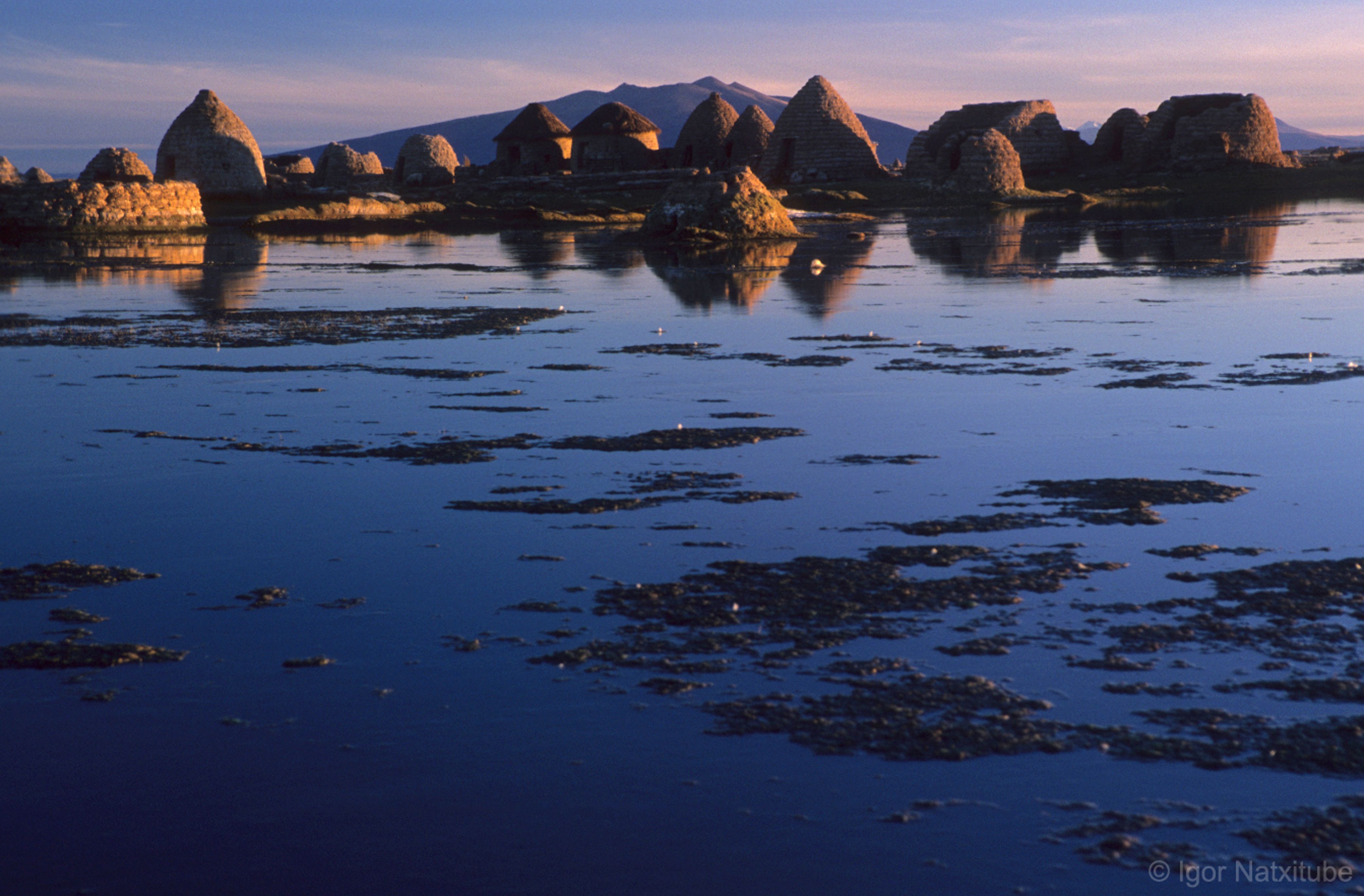
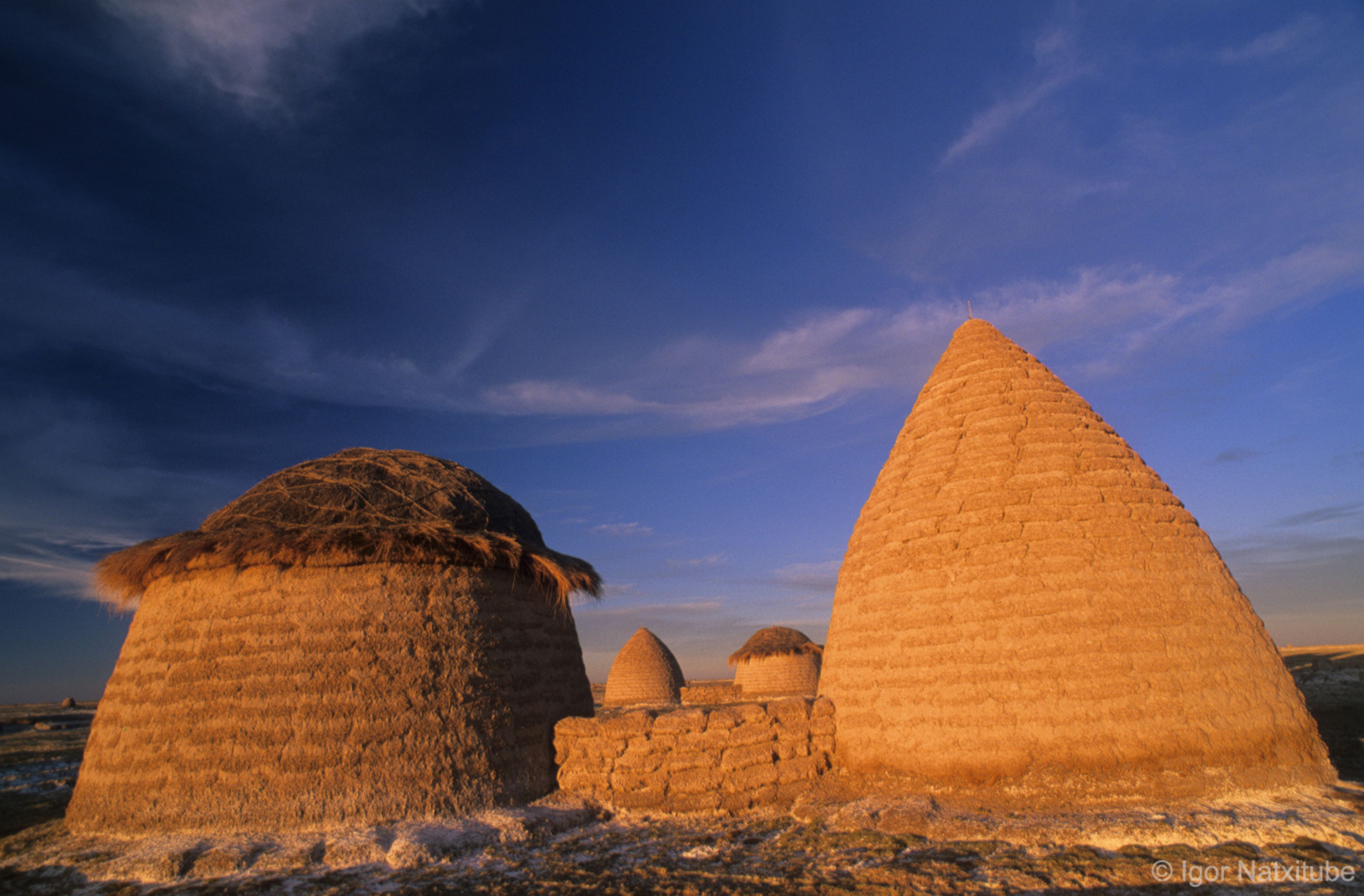
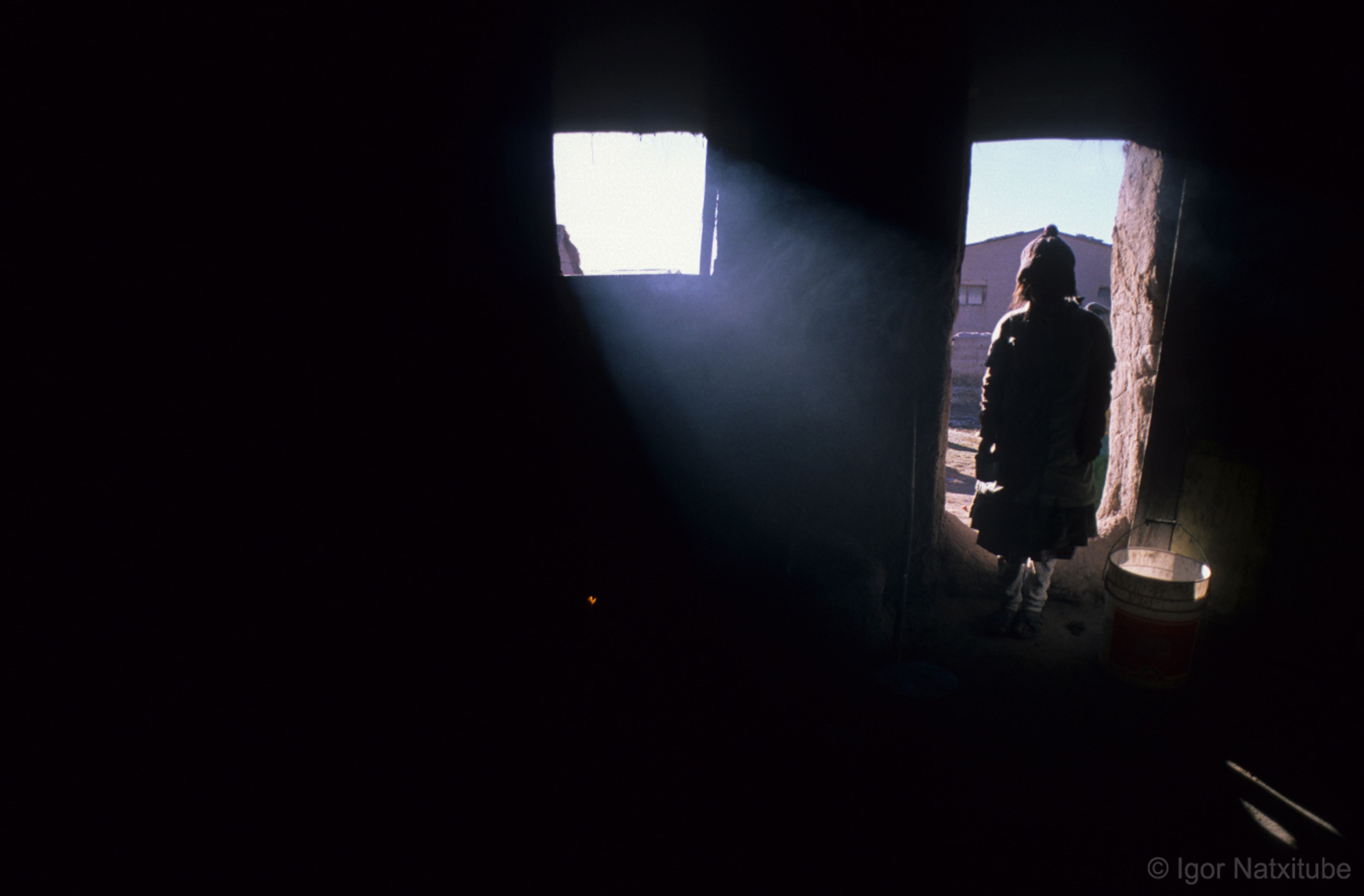
They are divided among two communities: the Chipaya and the Ayparavi, totaling 1500 inhabitants. The high plains 3940 meters above sea level alternate between grey and crème colored landscapes. Their living quarters, called, “phutukus” when the roofs are cylindrical and “huayllichas” when the roofs are made of straw, stand out in this barren view.
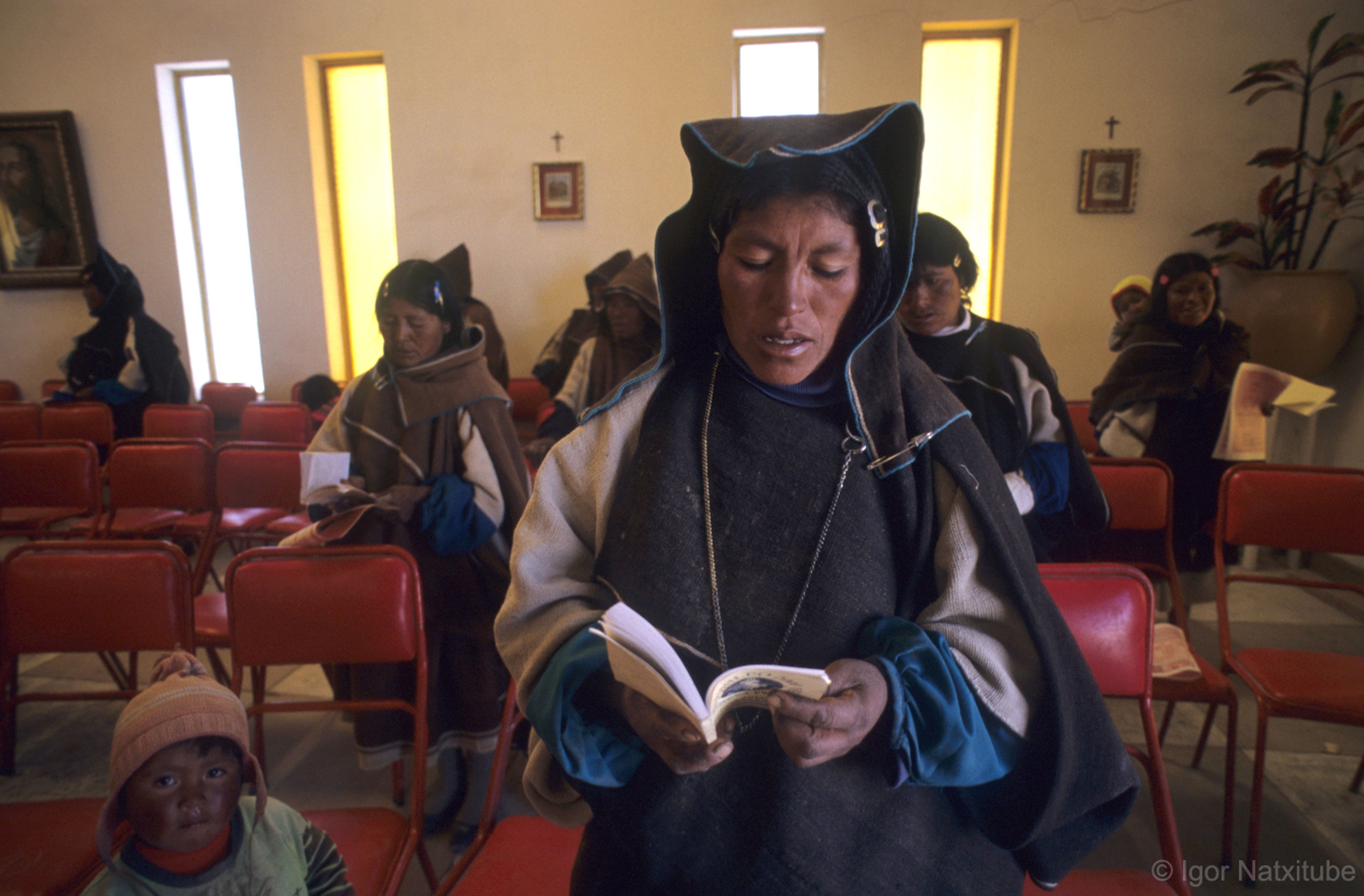
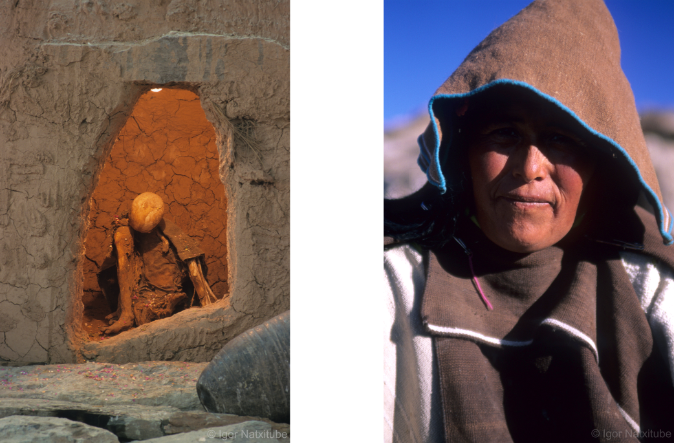
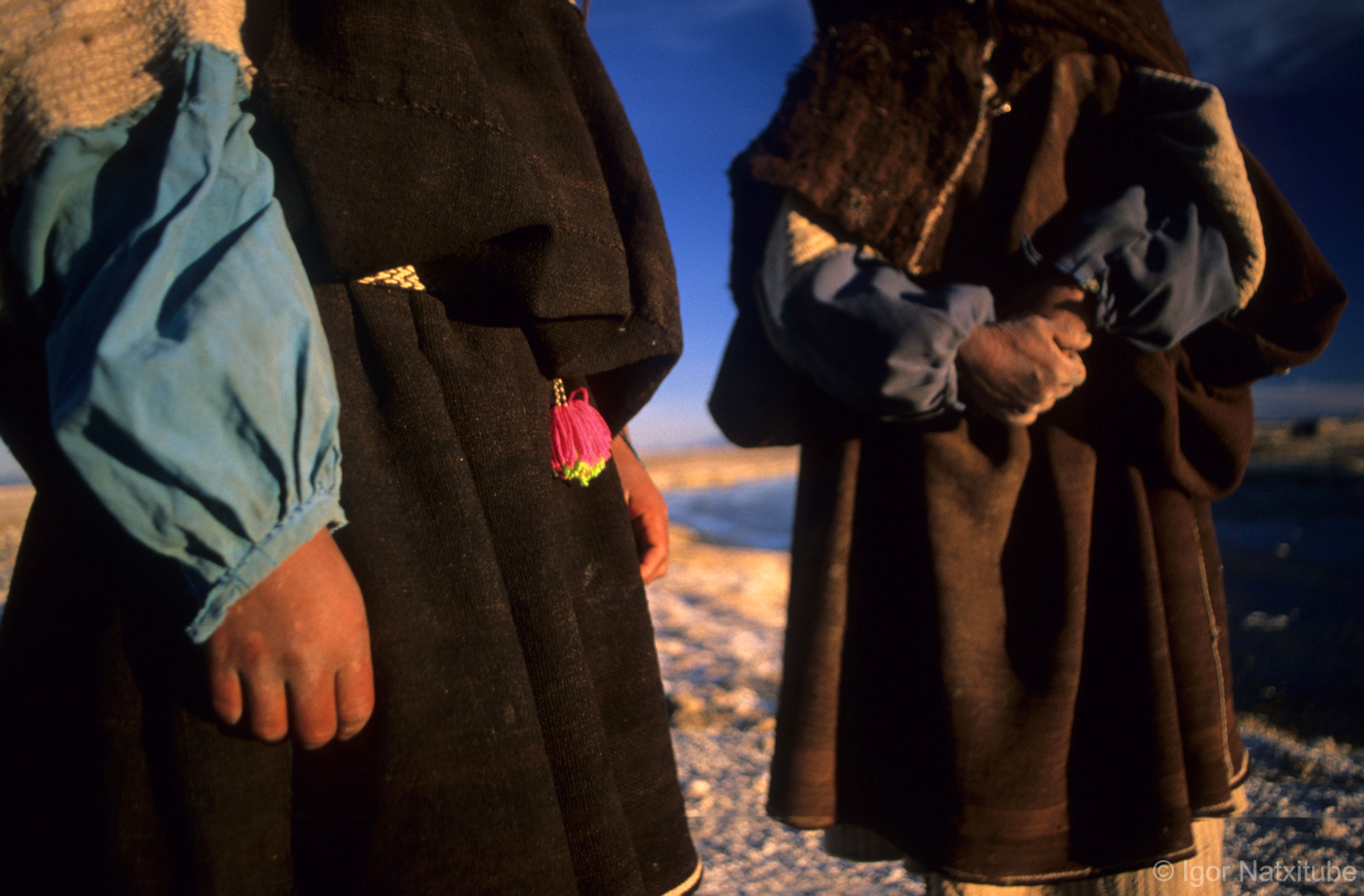
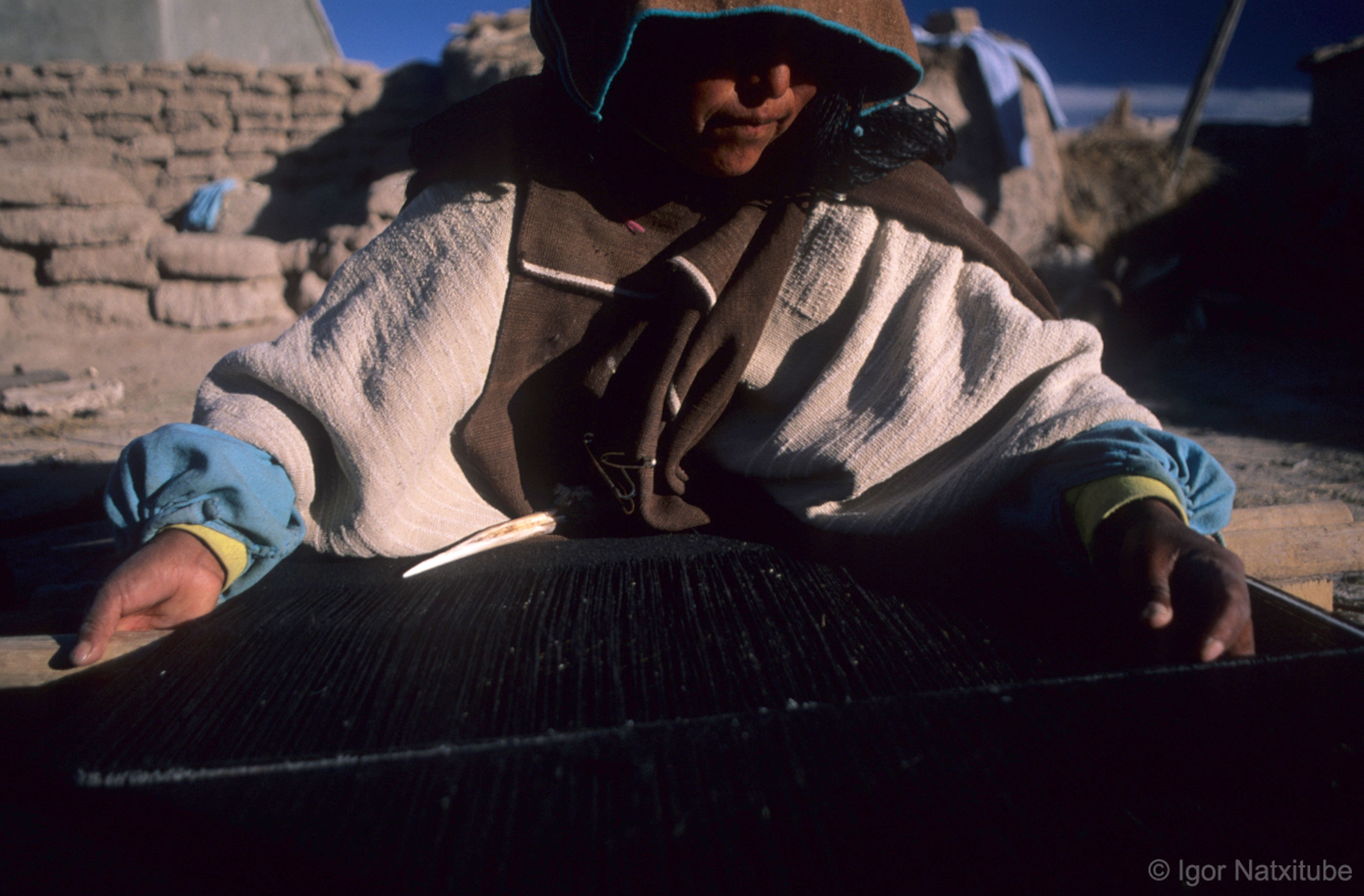
The clothing they wear is coarse and rough, but elegant and practical at once. The discrete colors blend into the environment. The traditional female attire is called “ajsu” and the male counterpart is the “qhawa”.
The activities of the Chipaya can be summed up in a precarious agriculture that is very reliant on the weather and the rains, a primitive shepherding, and the hunt of wild ducks with balls and lasso. The grounds they cultivate, as well as the work and production are fairly distributed amongst the families, under the supervision of the mayors, who hold the highest rank.
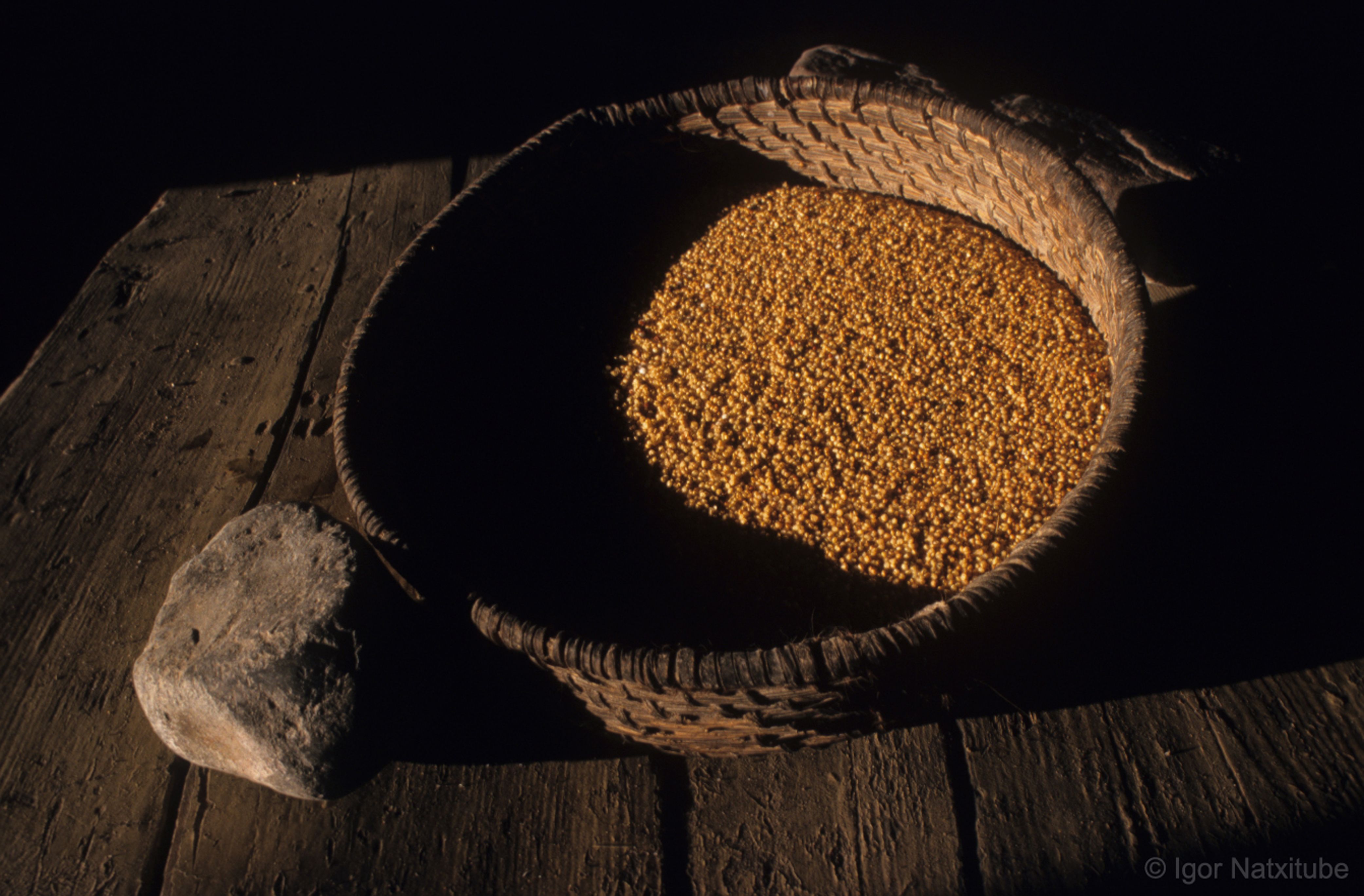
Their principal crops are quinoa, cañahua, and potatoes. While their livestock tends to be goats, pigs, sheep, llamas and caged fowl.
This is how life goes on in this culture. The Chipaya, solidly rooted in an extreme land of sand and salt flats, but its “their land”.
Their radical devotion to their Pachamama or Mother Earth as a principal deity, is of maximum importance, as they take it all and give it back to her. Their main gods are in the Sajama Volcano, the Lauca River, and the Sabaya highlands. Basically, this is one of those places, not commonly accessible, but marvelous, where the notion of time disappears and the union between man and nature is reborn with such power that it forces us into simplicity.