
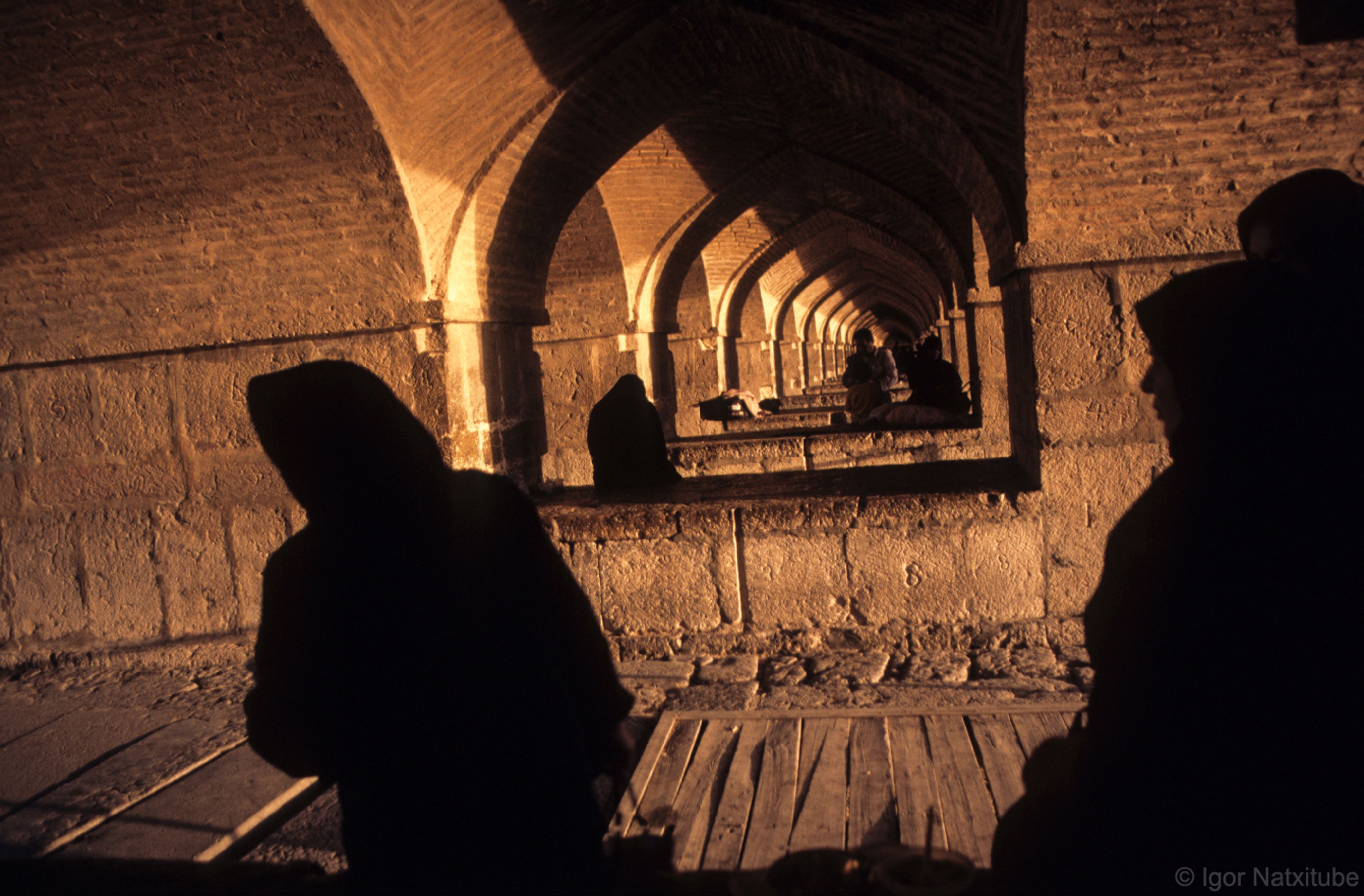
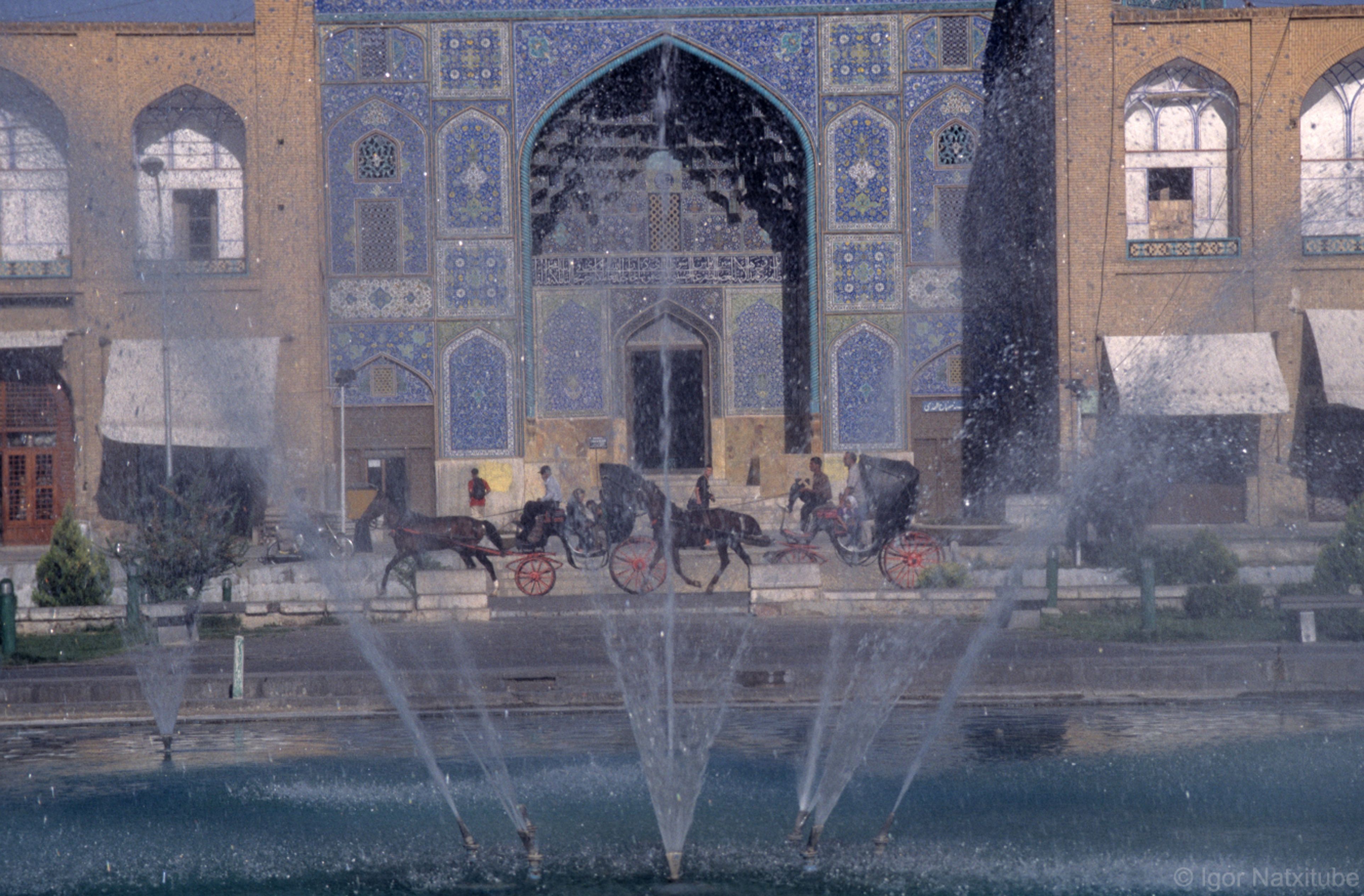
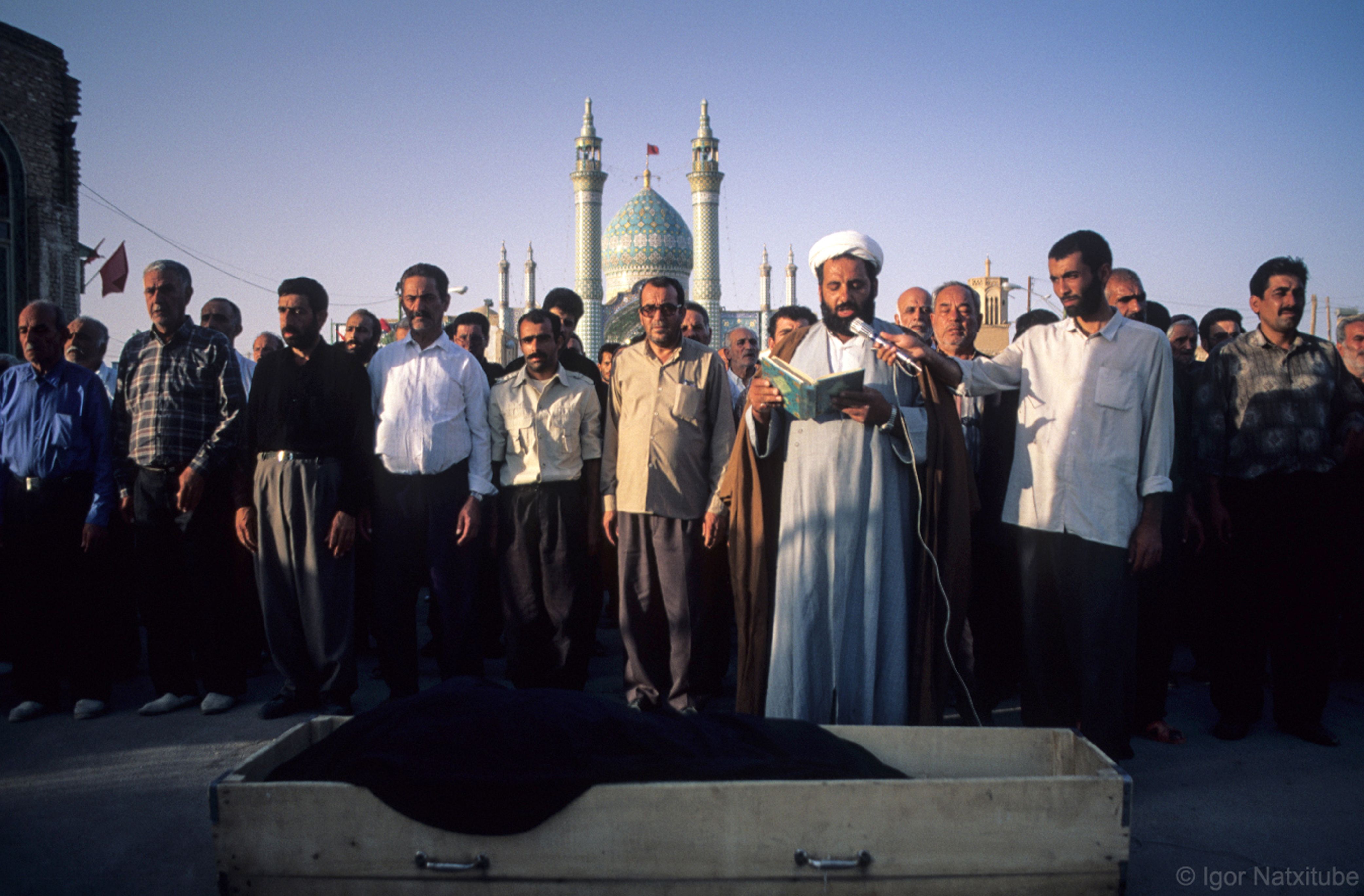
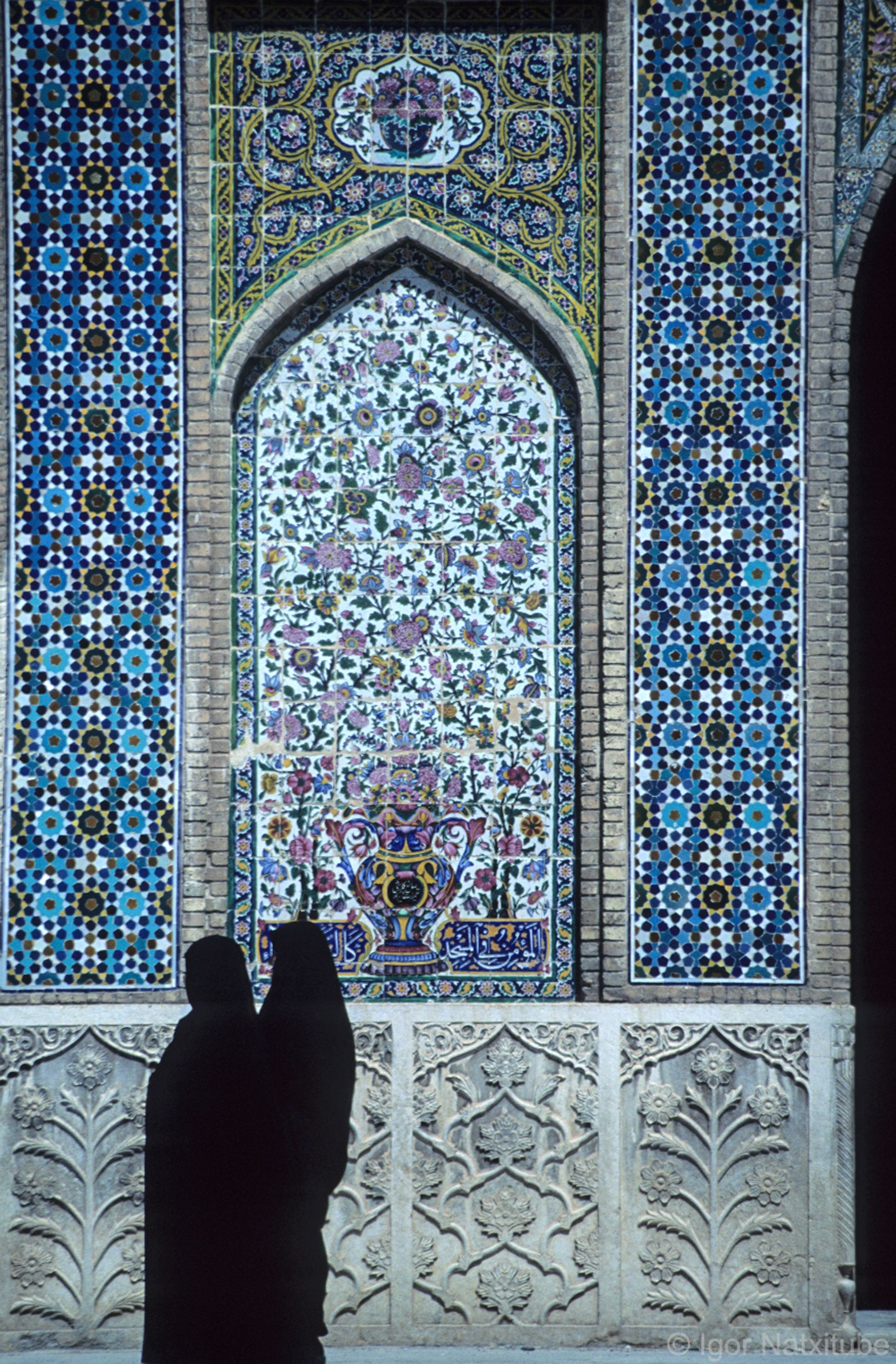
ISLAMIC REPUBLIC OF IRAN
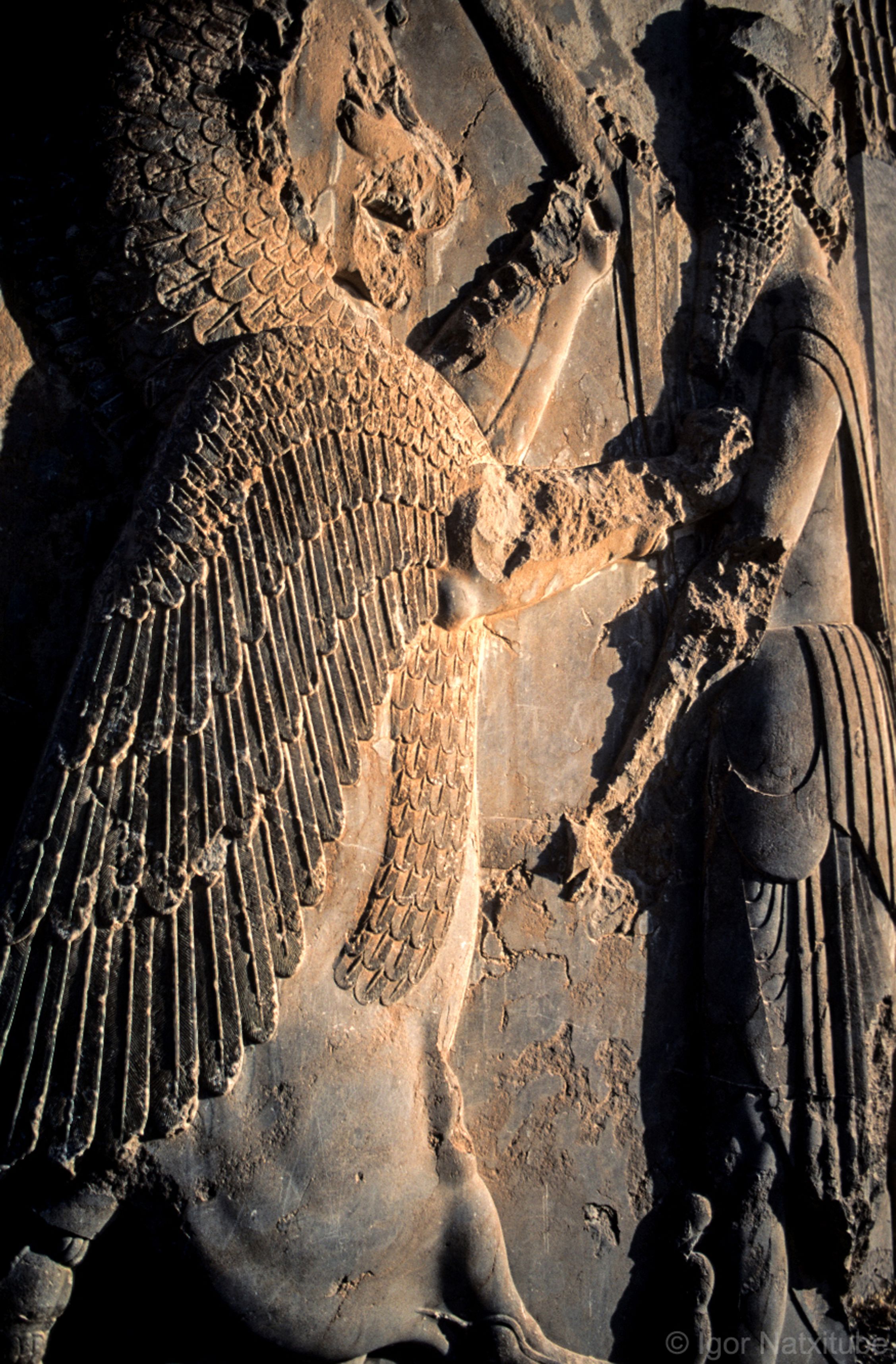
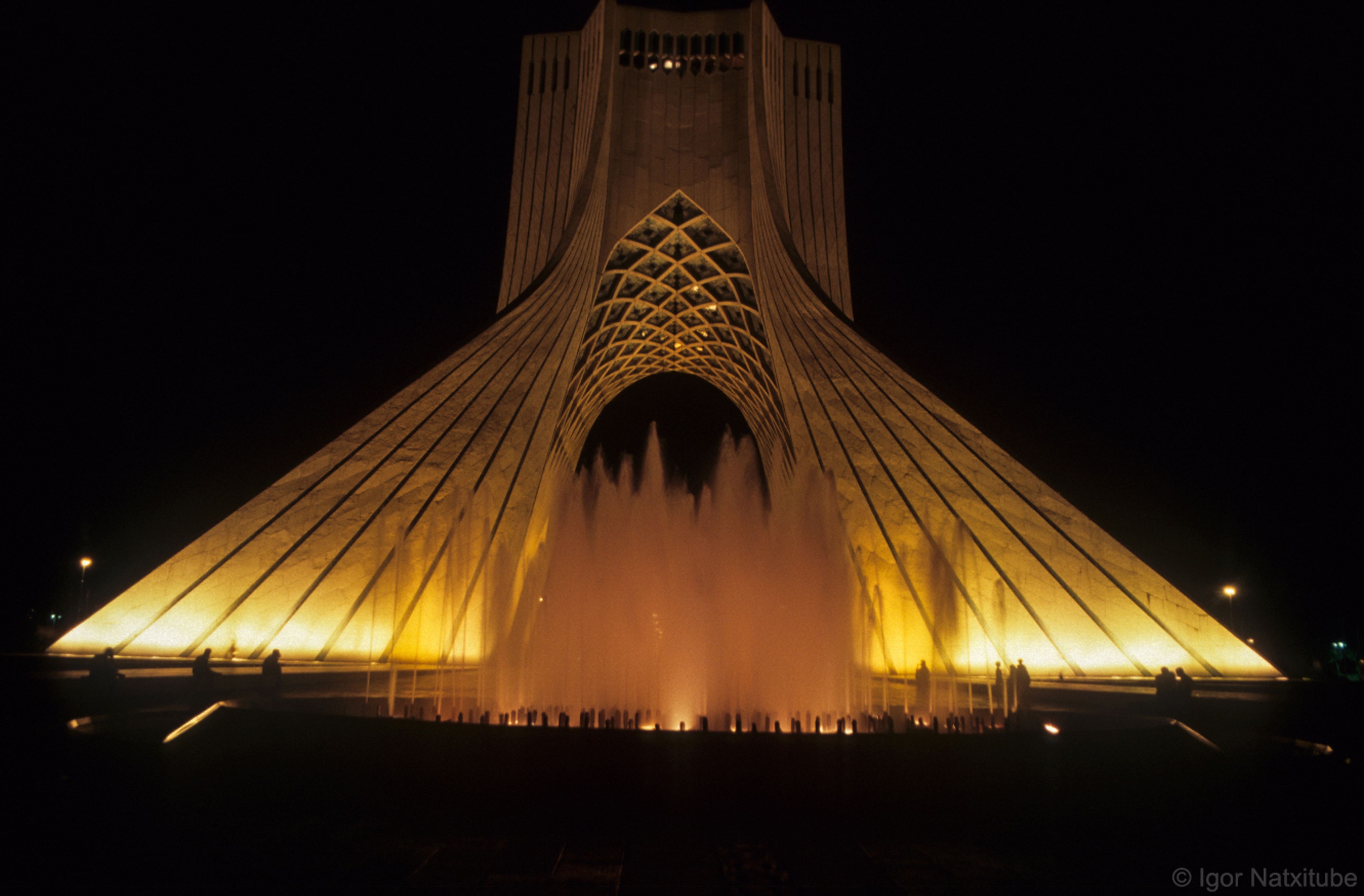
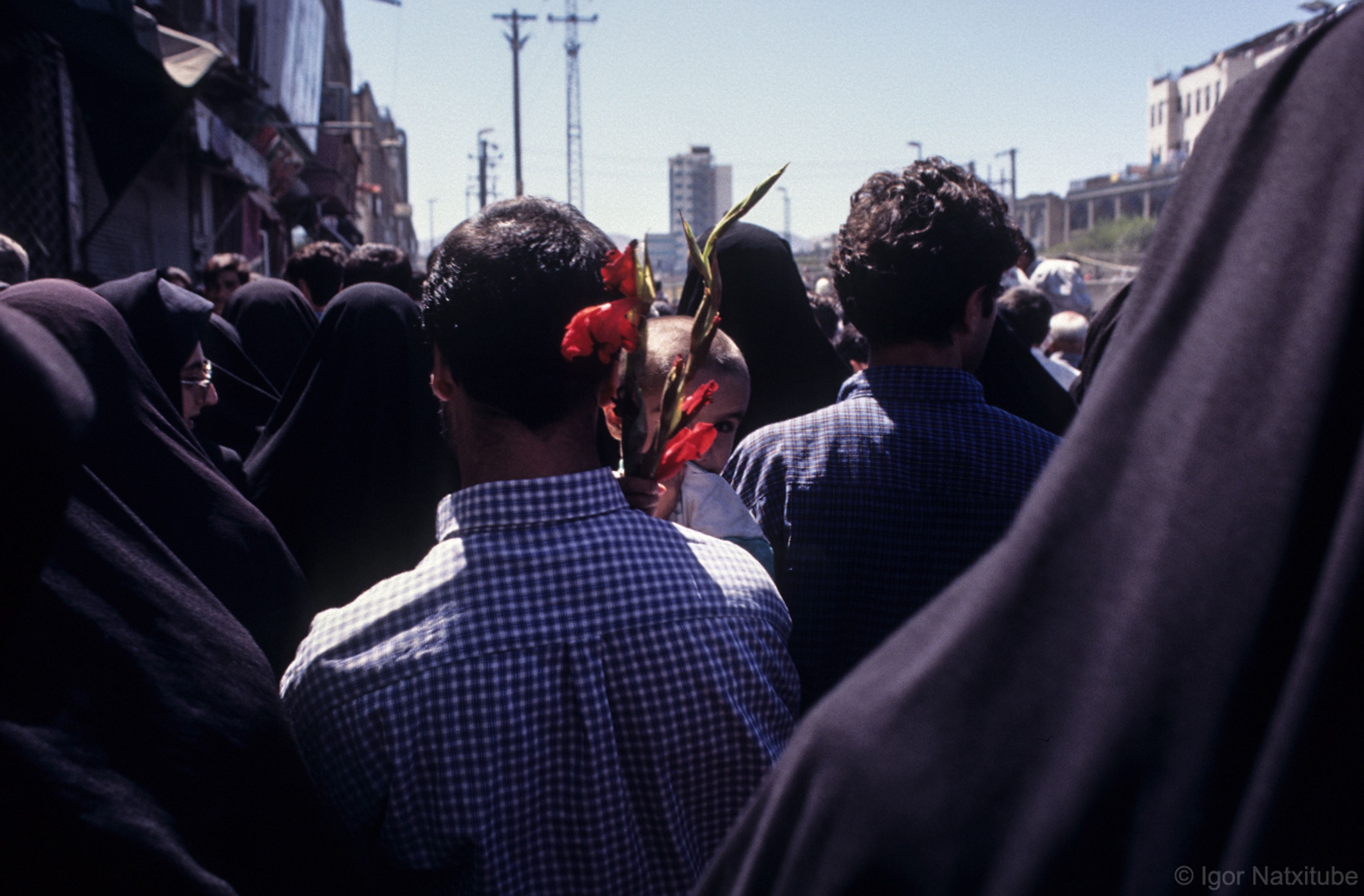
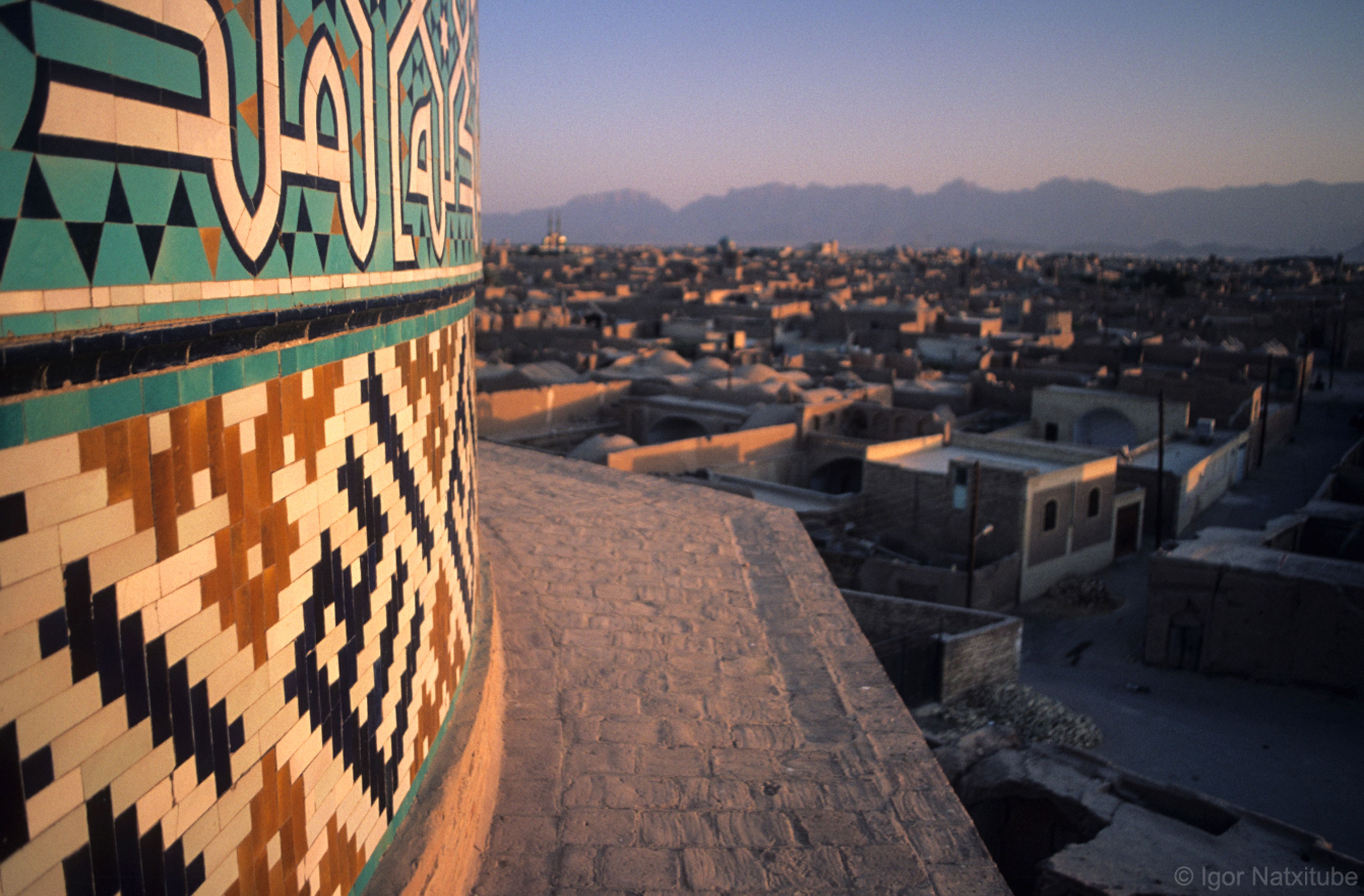
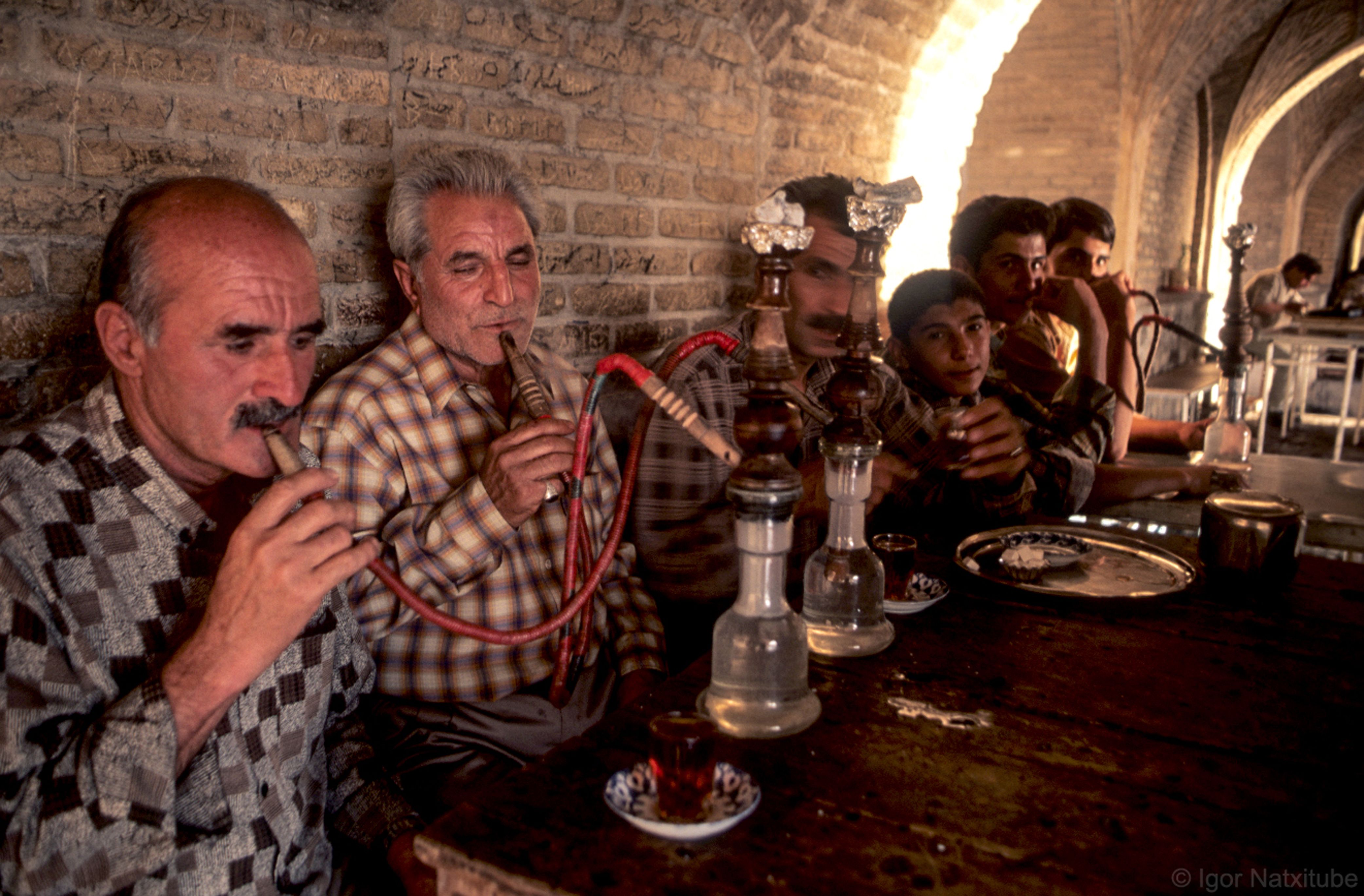
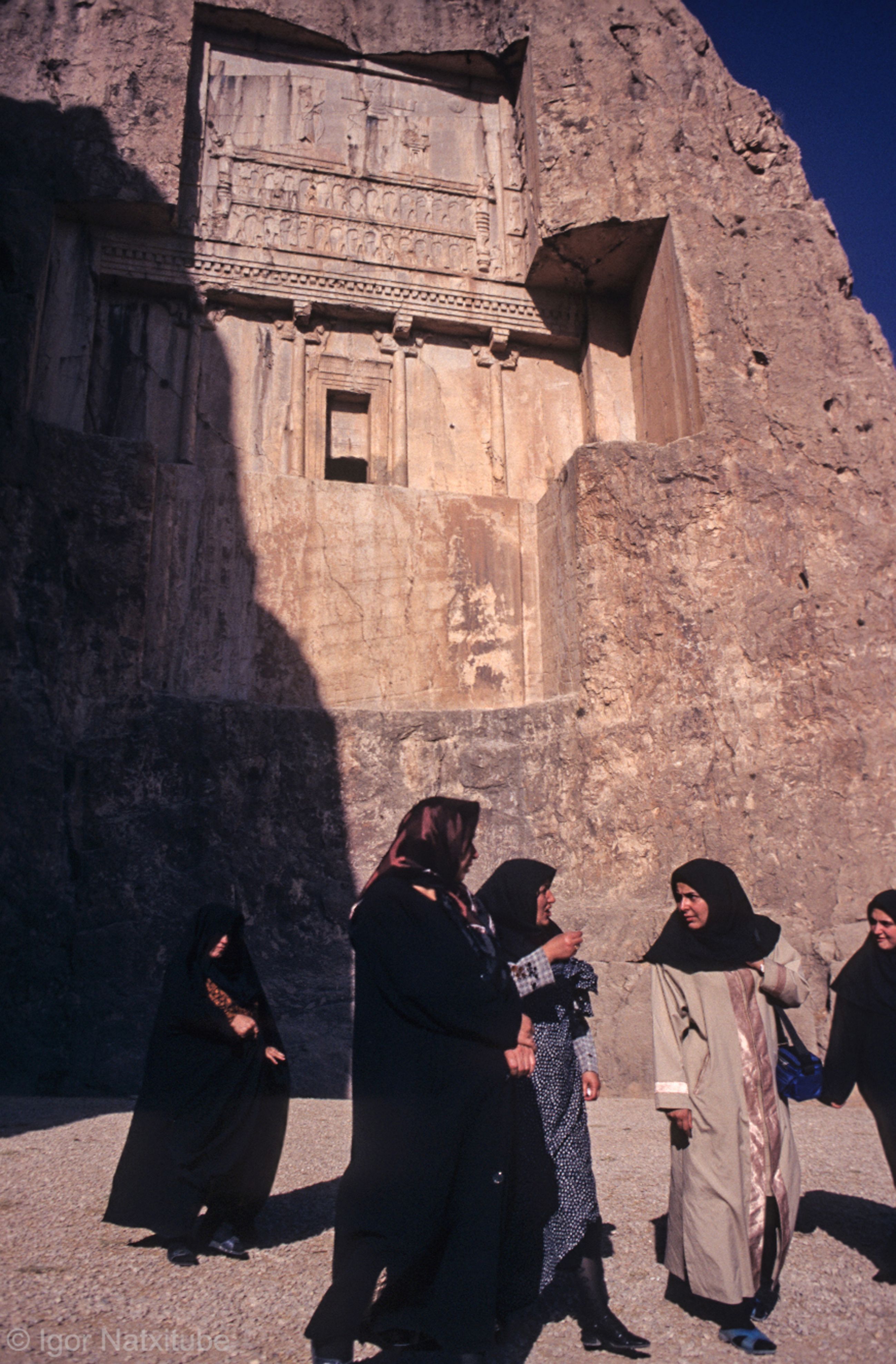
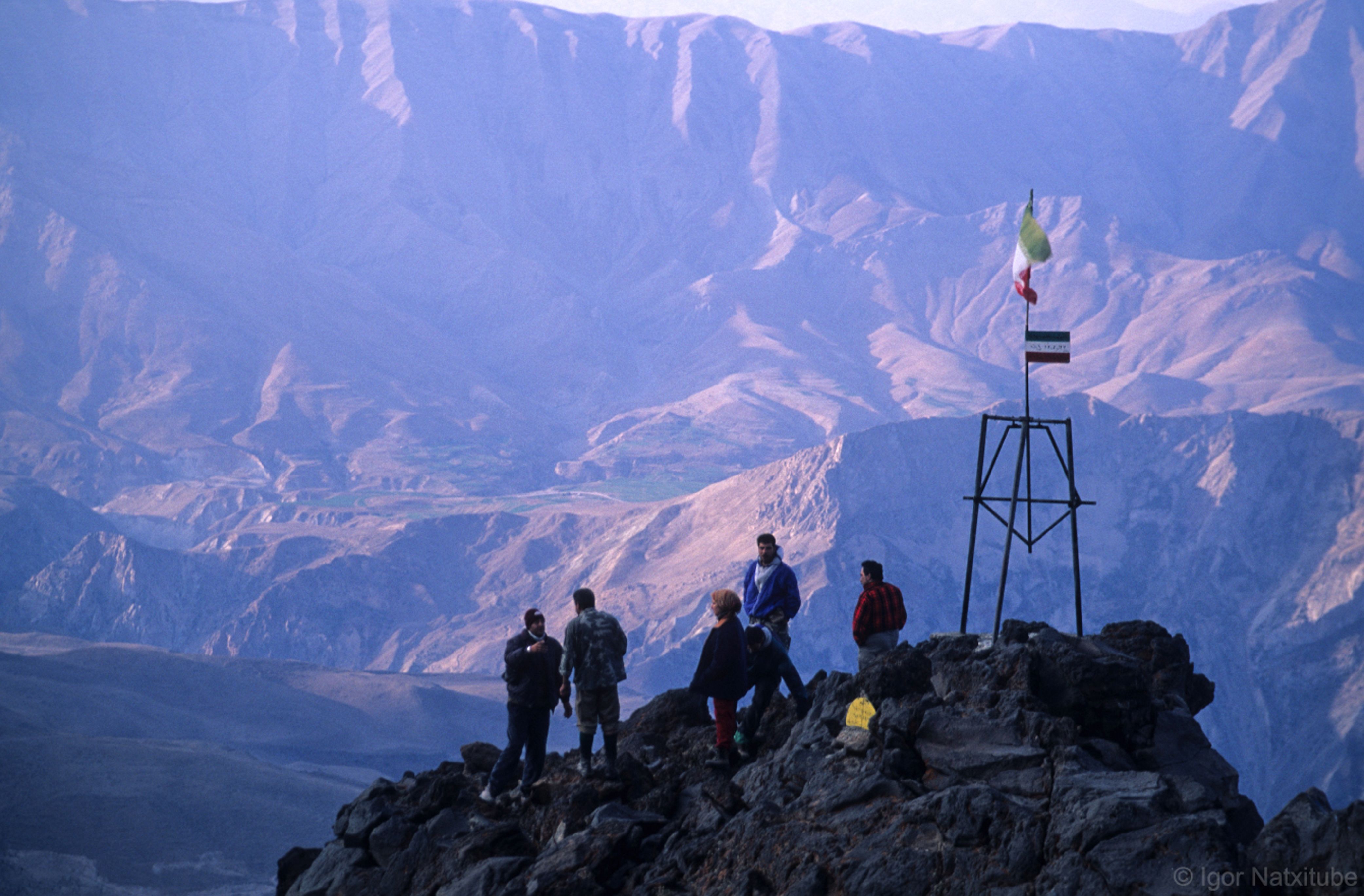
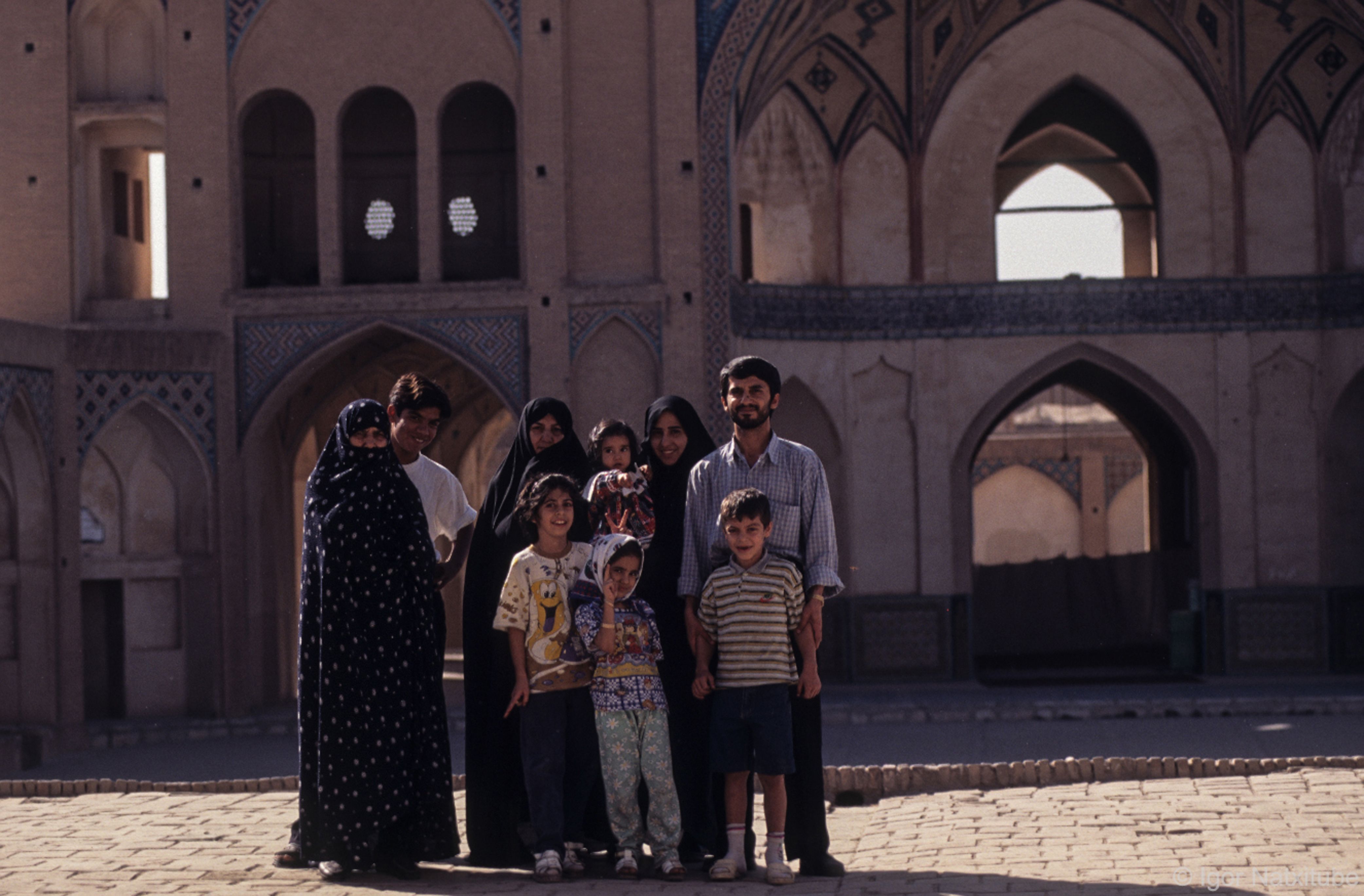
Victim of taboos and unjustified fears, Iran is painted as one of those unrecommended places. However, those who are lucky enough to meet him will be able to see how wrong and unfair this general judgment in the West is. The history of this country has greatly influenced its inhabitants. Its particular character is the result of a mixture of civilizations, its great spirituality, its intellectual vivacity, its mysticism, poetry, imagination and particular attitudes are the result of a rich cultural heritage.
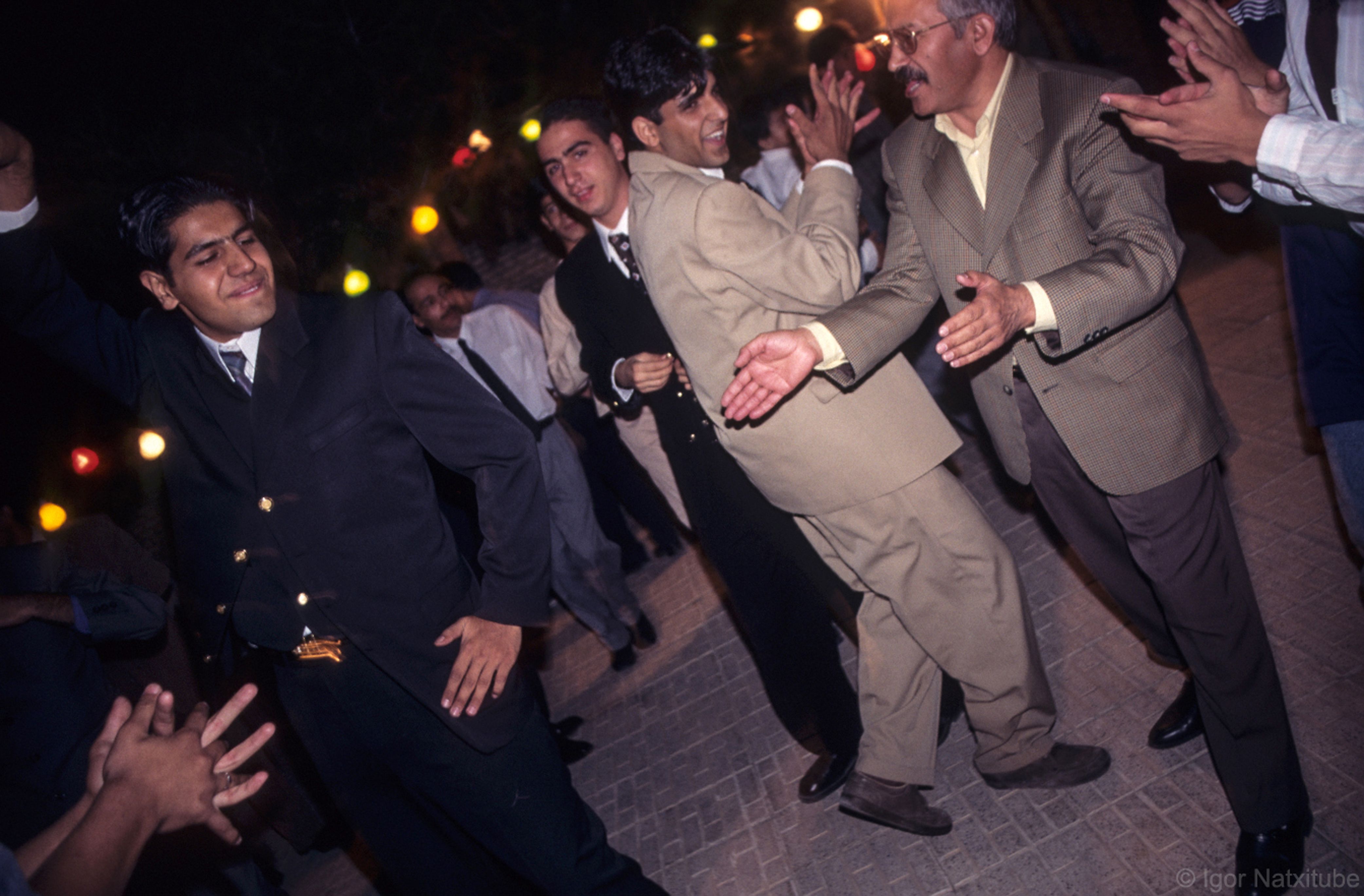
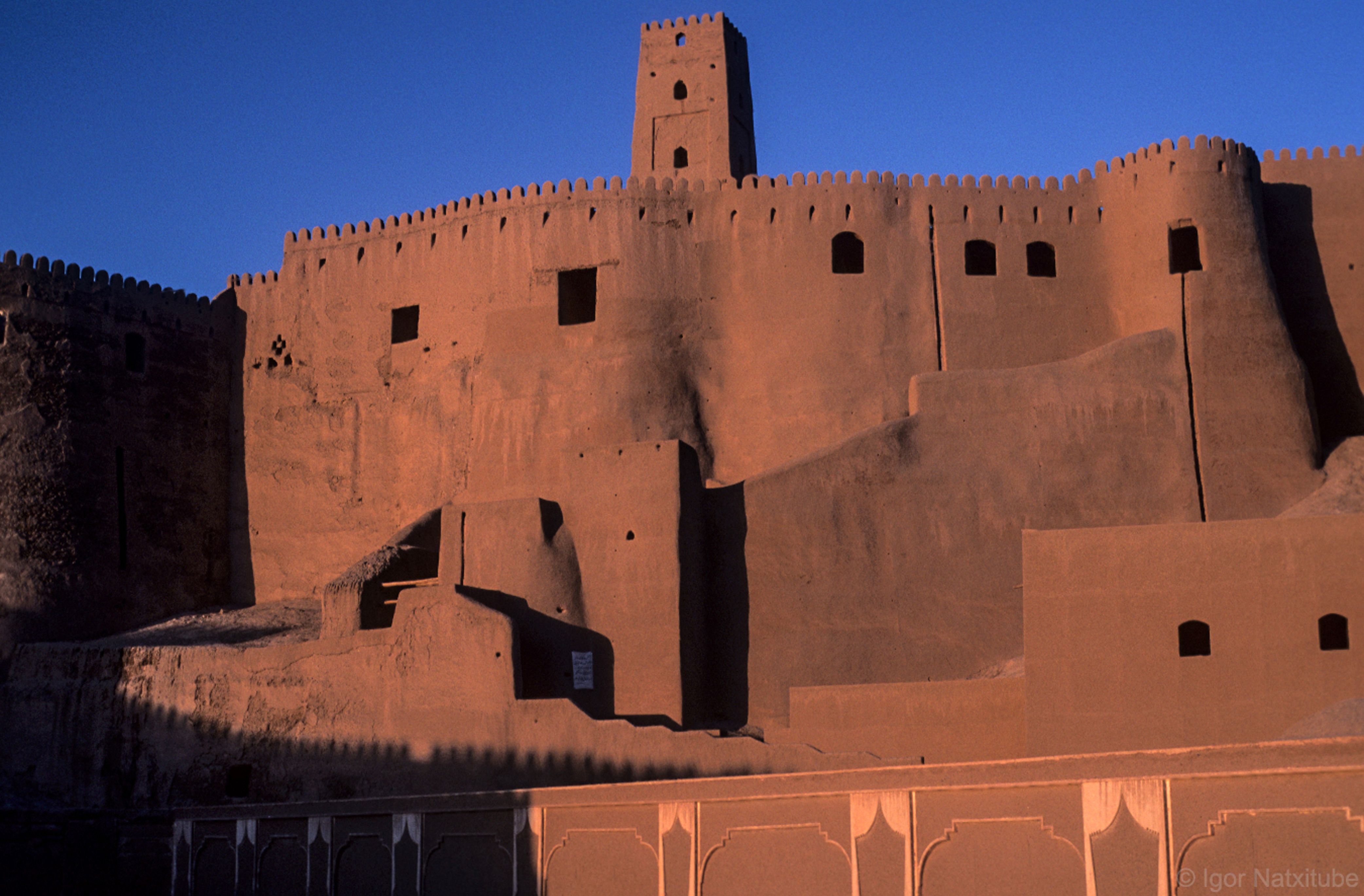
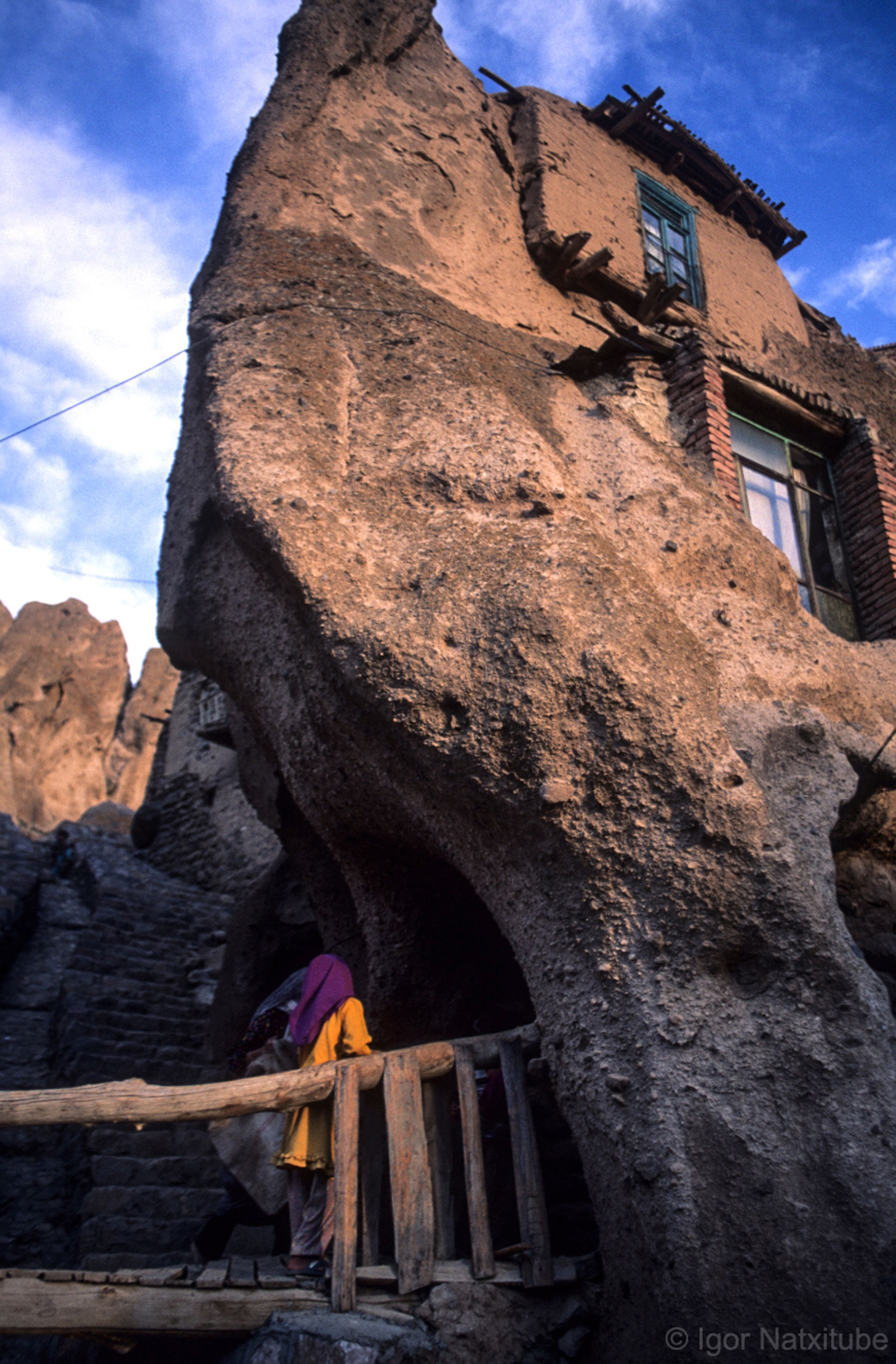
Life unfolds halfway between modernity and tradition. Facing cities like Tehran, which represent the Iran of today, full of effervescence, youth, strength and openness to the world, are remote villages where daily work is very hard. Cities also arise in the middle of the oases, like long-awaited islands between the deserts, the steppes and the desolate mountains, in the case of Mashad, Kerman or Bam. Iran currently has a population of approximately 78 million inhabitants, of whom 58% live in cities and the rest in small villages. The Iran of our days is governed on the basis of 2 powers: the political and the religious. The current president, Ebrahim Raisi, leads the party known as the Society of the Combatant Clergy.