SACRED VALLEY OF THE INCAS
CUSCO - PERU
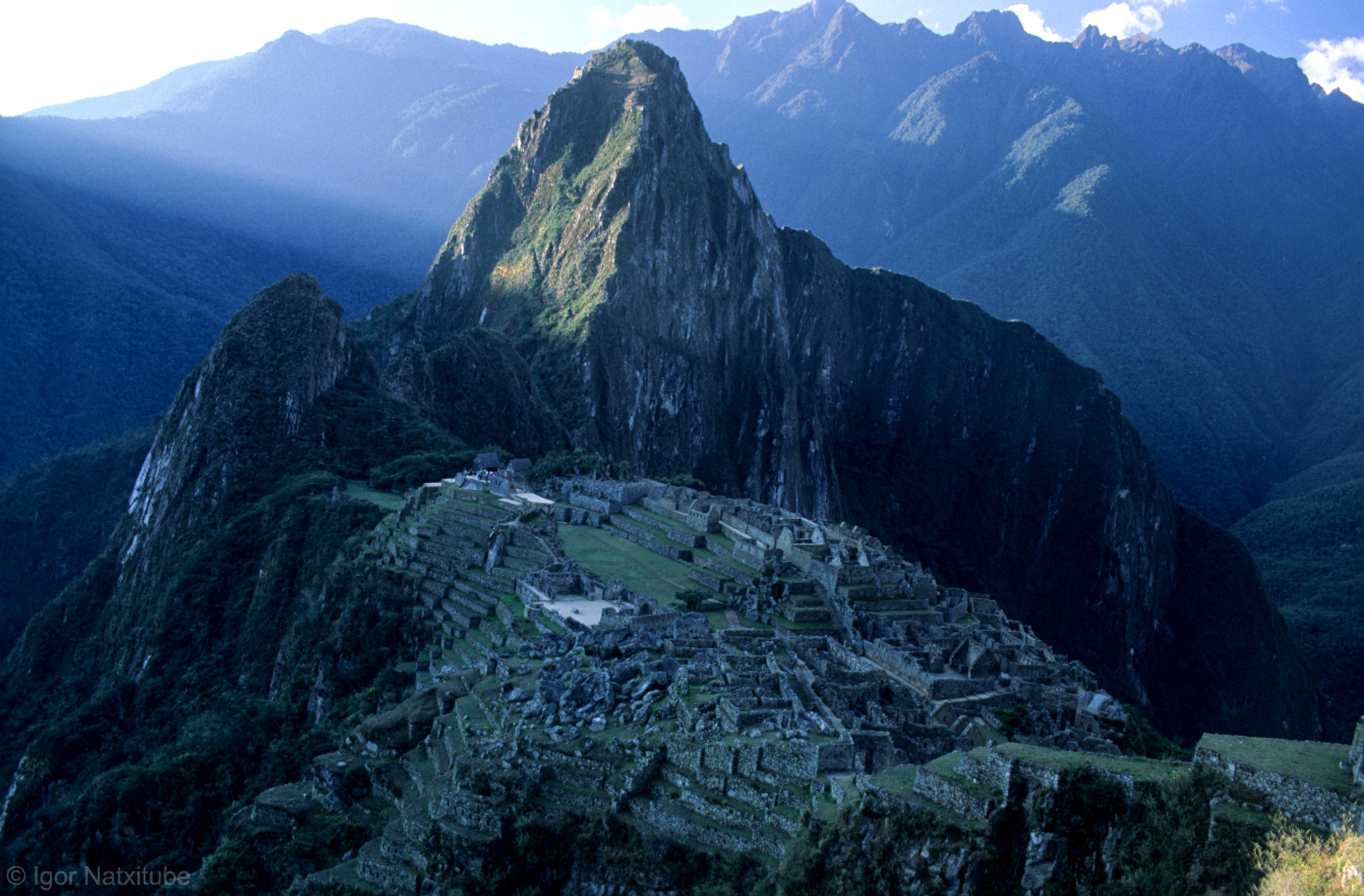
Taking Cusco as a starting point and heading towards the Valley of the Incas on the banks of the Urubamba River, we will be able to observe, touch and be fascinated by the inexplicable and splendid Inca architecture. Its highlight is the ruins of Machu Picchu. Watching over and protecting the imperial city of Cusco, we find the impressive fortress of Sacsayhuaman, a magnificent setting for the imagination. Its function was that of a military complex. Archaeologists estimate that tens of thousands of workers were employed for its construction, taking 70 years to complete. Very close, 5 km away, are the ruins of Quenco, a center of ceremonies where Pachamama or Mother Earth was worshipped.
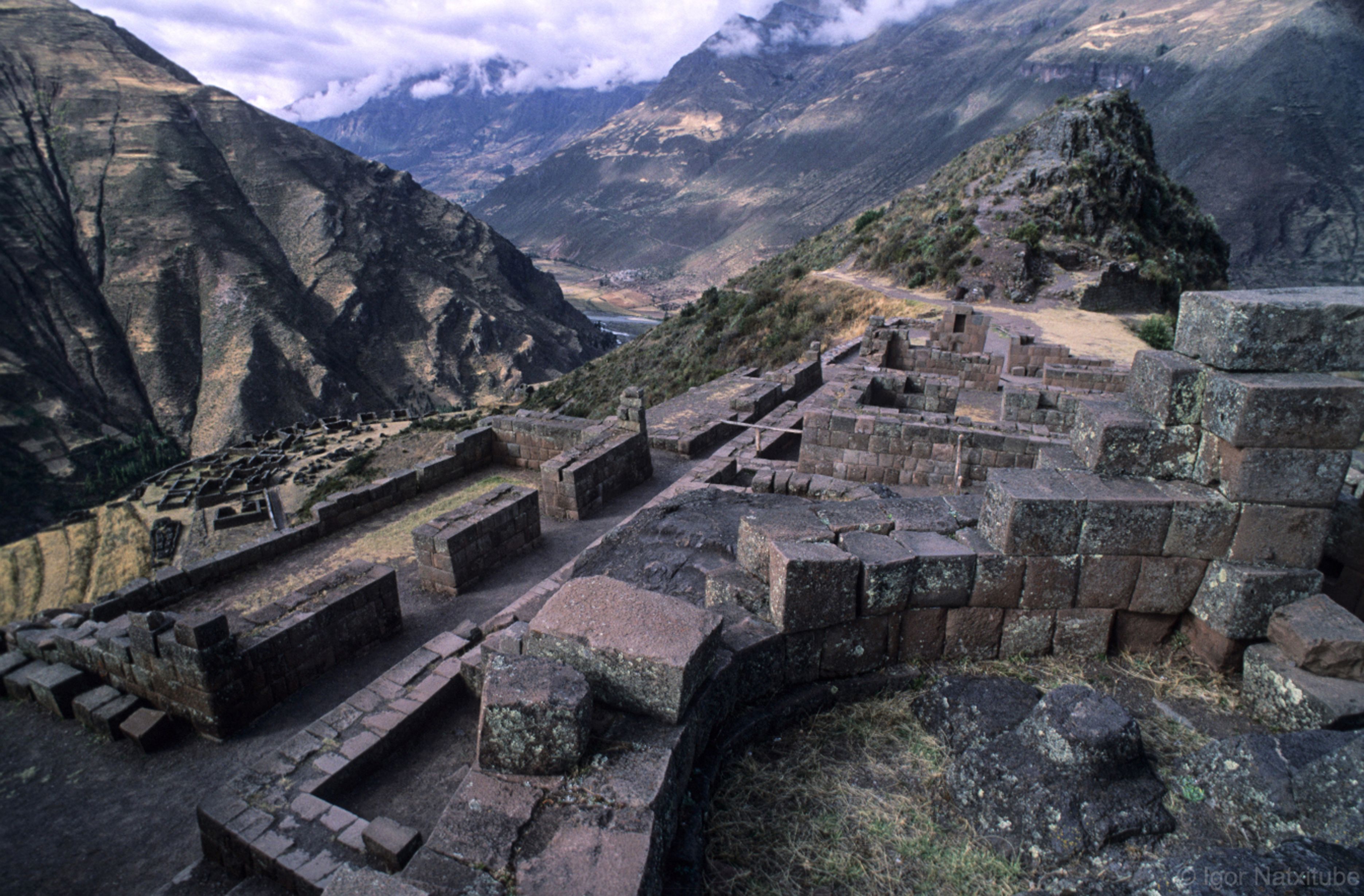
The following ruins are those of Puka Pukara, a fortress that fulfilled the mission of guarding the path that leads to the Sacred Valley of the Incas. Nearby is a place called Tambo Machay, intended for sacred baths and reserved exclusively for rulers and their wives. Here begins a curvy descent that takes us to Pisac, whose ruins of the same name stand out for their fine finish and special precision with which they were placed. From Pisac, take a route parallel to the mighty Urubamba River that takes us to the fortress and town of Ollantaytambo, constituting the best surviving example of Inca city planning. It has been proven that the stone used was brought from a quarry located 6 km away, which was a great feat in which thousands of indians were employed.
The last part of our trip is the most anticipated, it is about contemplating "the sacred city of the incas". Machu Picchu was discovered by Hiran Bingham in 1911. The architectural structures are a sample of the most classic inca style with its well-carved stone walls, its typical trapezoidal doors, its terraces or cultivation terraces and the ever-present Intihuatana or stone " that binds the sun ".